
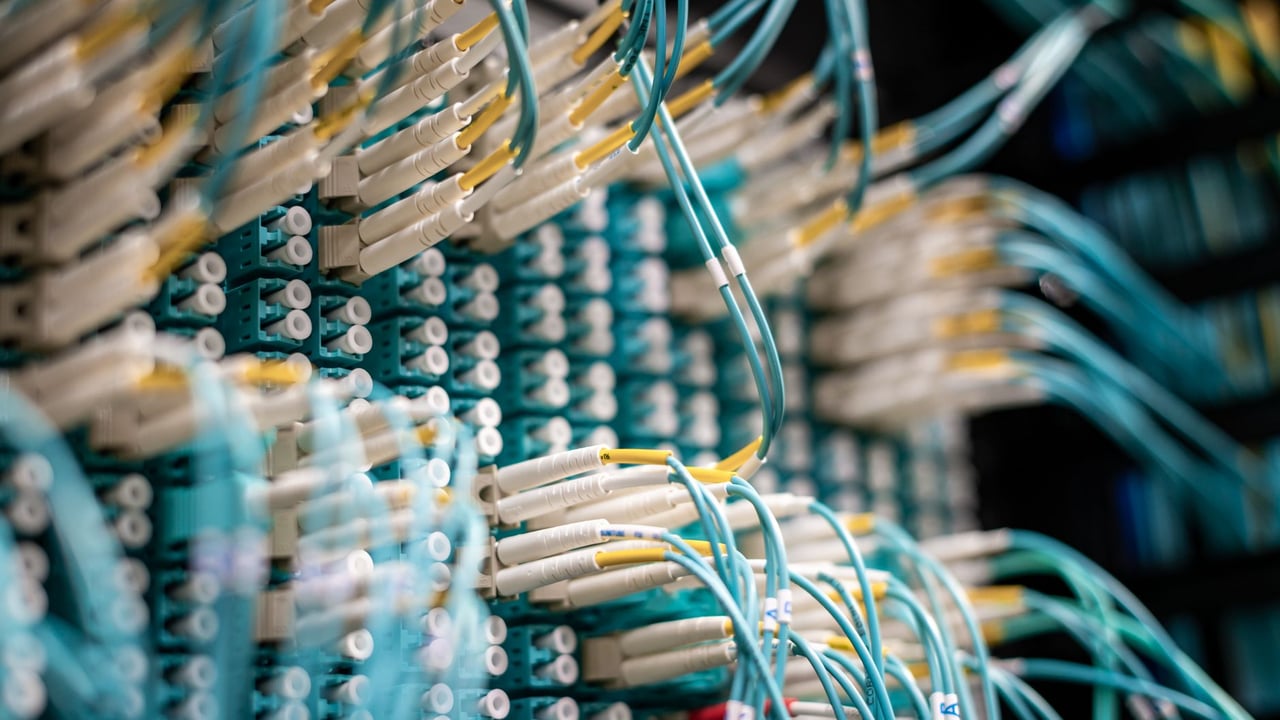

Lens Technology, a long-standing titan in the global consumer electronics supply chain, has signaled a decisive shift toward high-stakes artificial intelligence infrastructure. Through its subsidiary, Lens Optoelectronics, the firm announced the strategic acquisition of a controlling stake in Shenzhen Tongshing Optoelectronics. This move is not merely an expansion of its portfolio but a calculated entry into the specialized world of hollow-core fiber (HCF), a technology increasingly viewed as the vital nervous system for next-generation AI computing clusters.
The timing of this acquisition aligns with a significant acceleration in China's digital infrastructure ambitions. Following the 2026 Government Work Report, which prioritized ultra-scale intelligent computing and the integration of power and compute networks, the demand for high-speed, low-latency transmission has reached a fever pitch. Traditional fiber optics are hitting physical limits, whereas hollow-core fiber allows light to travel through air rather than glass, slashing transmission latency by over 30% and enabling the massive data throughput required by large language models.
Tongshing Optoelectronics represents a rare prize in the domestic market. While the HCF sector has historically been dominated by Western incumbents and nimble American startups, Tongshing holds 21 key process patents and possesses the rare capability to manage the entire lifecycle of the fiber—from design and graphite furnace manufacturing to high-precision pressure control. By securing this domestic leader, Lens Technology is effectively insulating itself from supply chain dependencies while positioning itself at the center of the 'AI + Optoelectronics' boom.
This acquisition is the latest piece in a broader puzzle for Lens Technology as it attempts to shed its reputation as a pure-play consumer electronics component maker. In the past year, the company has aggressively diversified, acquiring Yuan-Shi Technology for AI server liquid cooling and taking a stake in Ju Teng International for laptop structural components. Together, these moves transform Lens from a manufacturer of smartphone glass into a comprehensive precision platform capable of serving the needs of AI data centers, robotics, and commercial aerospace.
For investors, the deal represents a fundamental re-rating of the company’s valuation logic. Historically tied to the volatile cycles of the smartphone market, Lens is now building a dual-engine model where stable cash flow from legacy business funds high-growth 'options' in the AI infrastructure space. As global demand for AI-driven data centers and high-frequency trading networks continues to explode, the market for hollow-core fiber is projected to exceed ten billion yuan, and Lens Technology has just secured a front-row seat to that growth.