
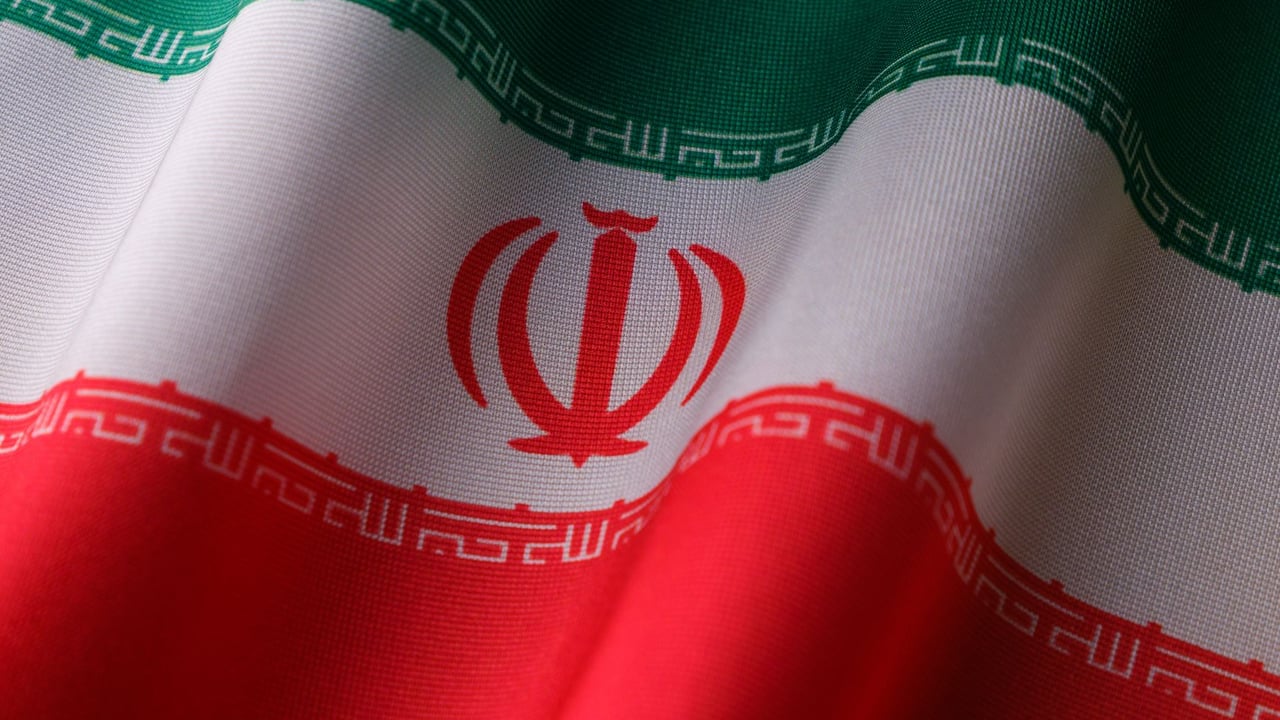

The long-frozen diplomatic channels between Washington and Tehran are showing signs of a significant thaw, as both sides signal that a memorandum of understanding is now "closer than ever." Iranian Foreign Minister Abbas Araghchi’s recent optimism has been echoed by Pakistani Prime Minister Shehbaz Sharif, whose government has emerged as a critical intermediary in these high-stakes negotiations.
Perhaps most telling is the digital endorsement from the White House, where President Donald Trump recently shared Araghchi’s optimistic post. This rare moment of public alignment suggests that the adversarial relationship, long defined by "maximum pressure," may be shifting toward a pragmatic, if tentative, "maximum deal" framework.
According to Qin Tian of the China Institutes of Contemporary International Relations, this shift indicates that both nations have reached a rare equilibrium in their competing demands. While Iran has historically remained conservative in its diplomatic outlook, Araghchi’s public confidence suggests that the current draft of the agreement provides sufficient concessions to satisfy Tehran’s core interests.
However, the path to a final signature remains fraught with technical and political landmines. Both sides are currently managing internal expectations while fending off speculative leaks regarding the document's content. As Qin notes, the final steps of any landmark treaty are often the most volatile, where unforeseen grievances can still derail months of quiet mediation.