
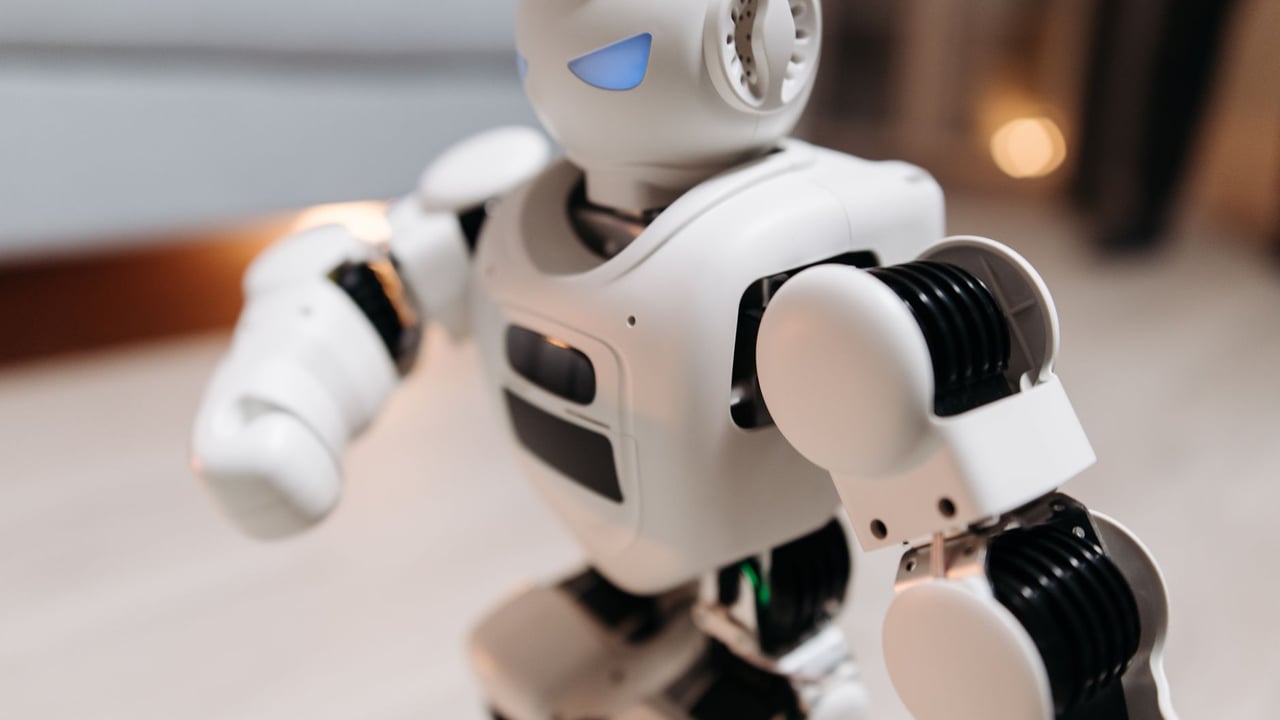

In a non-descript laboratory on the outskirts of China’s high-tech corridors, the next generation of industrial laborers is currently learning to fold quilts and dance to hip-hop. While these tasks may seem trivial, they represent the frontline of 'embodied AI,' a field where China is aggressively pivoting to ensure its manufacturing dominance survives a looming demographic crisis. These 'training camps' for humanoid robots are no longer just testing basic mobility; they are fine-tuning the delicate motor skills required for a machine to navigate the nuances of human environments.
The push for humanoid capability comes at a critical juncture for Chinese industry. As domestic CPU manufacturers like Haiguang Information claim performance parity with international giants like Intel, the hardware-software synergy in China is reaching a tipping point. By training robots to perform complex physical tasks—such as clearing hurdles or performing domestic chores—developers are stress-testing the integration of proprietary chips and sophisticated neural networks. This is not merely about novelty; it is a calculated effort to create a versatile workforce capable of operating in existing infrastructure designed for humans.
Beijing’s strategic focus on 'new productive forces' has placed the humanoid robot sector at the center of its industrial policy. Unlike the specialized robotic arms seen in automotive plants, these humanoid models are being groomed for high-adaptability roles in elderly care, domestic service, and intricate assembly lines. The recent surge in 'boot camp' style training reflects a move away from static programming toward reinforcement learning, where robots learn through trial, error, and massive data sets, mirroring the development of biological motor skills.
However, the path to commercialization remains fraught with technical bottlenecks. While the robots are mastering hip-hop moves and folding laundry in controlled environments, the transition to unpredictable real-world scenarios requires a leap in battery density and sensory processing that has yet to be fully realized. As global competitors like Tesla’s Optimus project capture international headlines, China’s domestic players are leveraging the country’s vast supply chain and manufacturing depth to iterate faster and at a lower cost, hoping to turn these laboratory curiosities into a trillion-yuan industry within the decade.