
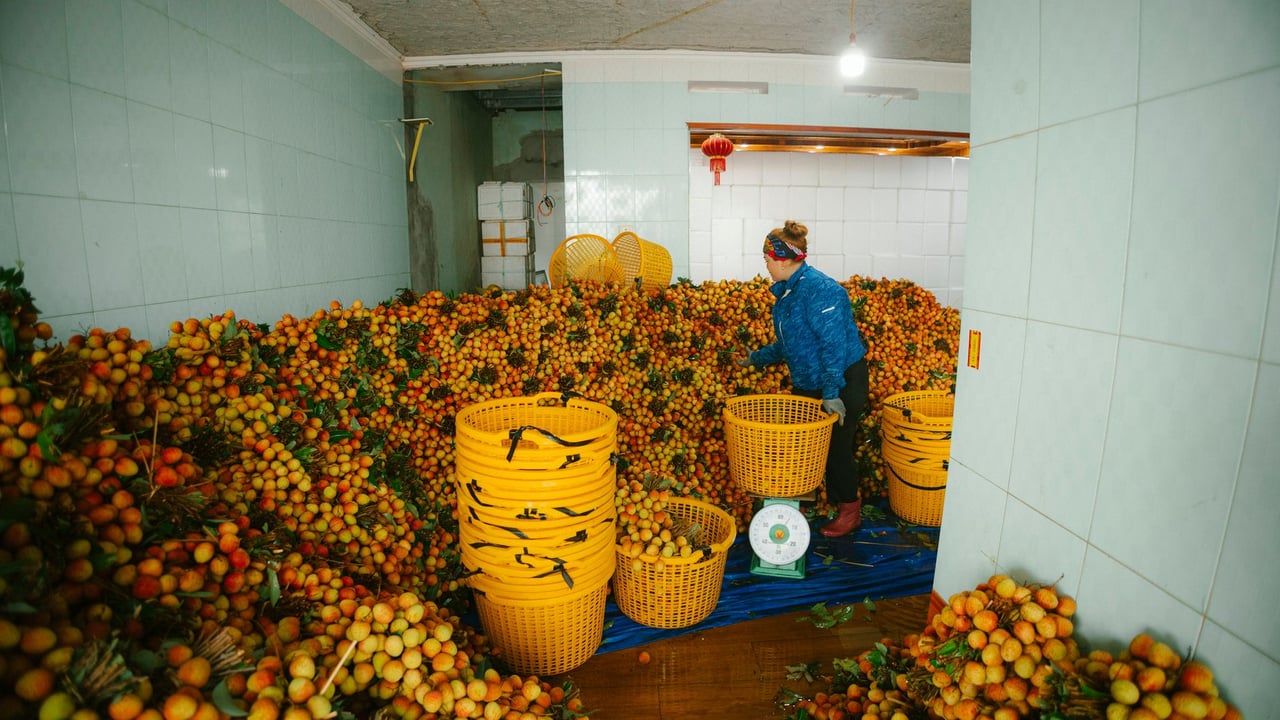

The arrival of the first crates of Zhejiang bayberries at Shanghai’s Xijiao International Agricultural Products Wholesale Market usually signals the start of a lucrative peak season. This year, however, the atmosphere is subdued. Despite the vibrant crimson hue of the fruit, wholesalers report a significant cooling in demand, with many stalls remaining quiet hours after opening. The primary culprit is not a poor harvest, but the lingering ghost of a food safety scandal that erupted hundreds of miles away just weeks ago.
In mid-May, an investigation revealed that some collection points in Fujian province were illegally dipping bayberries in preservatives and unauthorized sweeteners to extend shelf life and enhance flavor. While the scandal originated in Fujian, the fallout has proven indiscriminate, casting a shadow over the entire bayberry category. In the Shanghai wholesale markets, the ripple effect is palpable, with Zhejiang’s premium 'Dongkui' variety seeing price drops of approximately 15% compared to the previous year.
Wholesalers describe a market paralyzed by a crisis of confidence. One veteran merchant noted that while he moved five to six hundred crates daily last season, current volumes have plummeted to just a few dozen. This sentiment is echoed across digital platforms; e-commerce data indicates that daily sales on major short-video commerce sites have effectively halved, failing to break the 1 million RMB mark even as the peak supply window opens.
To combat this trust deficit, Zhejiang—China’s largest bayberry producing province—has launched an aggressive regulatory counter-offensive. Local authorities have implemented a 'batch-by-batch' testing mandate, with results uploaded to a centralized digital platform. Consumers and wholesalers now find crates accompanied by 'Agricultural Product Quality and Safety Rapid Test Reports,' a document some traders have dubbed the fruit’s 'identity card.' These certificates verify the absence of illegal additives like sodium dehydroacetate and unauthorized sweeteners.
Industry analysts suggest that the market is currently in a 'supply stable, demand cold' phase. Although the transport chain has been modernized with cold-chain logistics to ensure freshness without chemicals, the psychological impact on consumers remains the primary hurdle. The sector now faces a long road to recovery, where the cost of restoring a reputation far outweighs the short-term gains once sought by unscrupulous actors in the supply chain.