
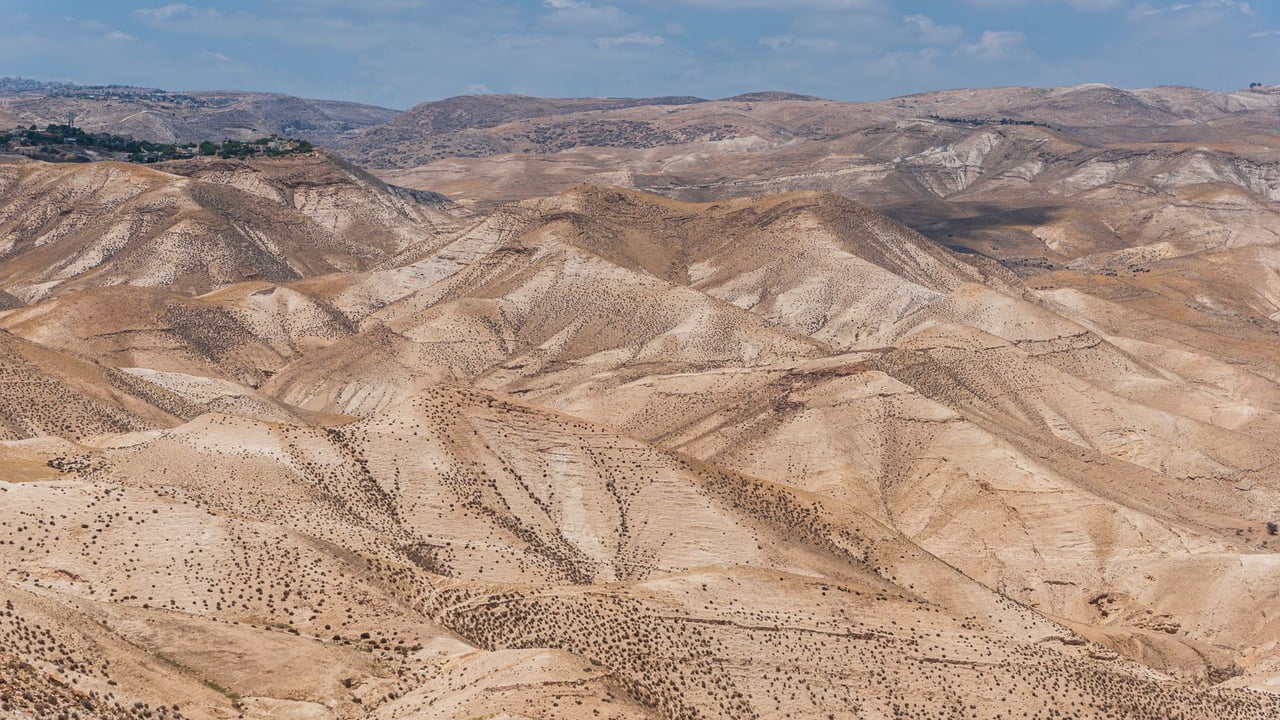

The rolling hills of southern Lebanon have once again become the epicenter of a high-stakes military confrontation. Israeli Defense Forces have intensified their campaign, deploying a combination of precision airstrikes and ground maneuvers aimed at dismantling the entrenched infrastructure of Hezbollah. This latest surge in military activity marks a significant departure from the localized skirmishes that have defined the border for months.
For the Israeli government, the objective is clear but fraught with strategic risk. The primary goal remains the establishment of a secure environment that would allow tens of thousands of displaced residents from northern Israel to return to their homes. However, the sheer density of the current bombardment suggests a broader strategy aimed at degrading Hezbollah’s command structure and long-range capabilities.
Hezbollah has responded with a mixture of tactical resilience and calculated restraint, launching retaliatory rocket volleys while avoiding a total mobilization that might trigger a catastrophic regional war. The group's sophisticated tunnel networks and deep familiarity with the rugged terrain present a formidable challenge to Israeli ground forces. Every village along the blue line has effectively been transformed into a potential fortress, complicating the prospects for a swift military resolution.
The humanitarian toll continues to mount as thousands of Lebanese civilians flee northward, adding to a burgeoning refugee crisis in a country already crippled by years of economic collapse. International mediators find themselves in an increasingly desperate race against time. They are attempting to broker a ceasefire that satisfies Israel’s stringent security demands without appearing to capitulate to the militant group’s continued presence south of the Litani River.