China’s Battery Sector Hits a Speed Bump: Production Surges as Installation Efficiency Wanes

China's battery production rose 38% in May 2026, yet a sharp decline in overall growth rates and a falling installation-to-production ratio signal a significant cooling in the EV sector. Despite the volume mismatch, the industry is seeing a rapid shift toward higher energy density batteries, which now dominate nearly half of the market.

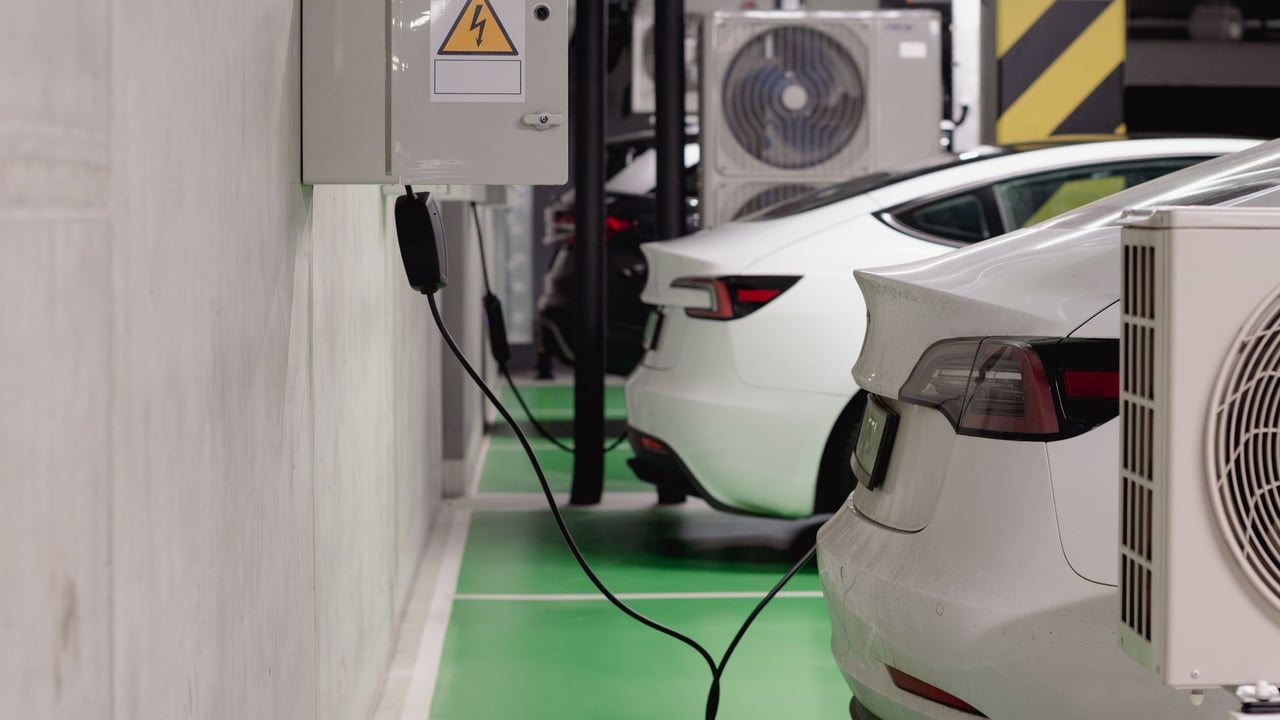
Electric vehicles charging at an indoor station in a modern underground garage.

Key Takeaways

  • 1Battery production reached 192GWh in May 2026, up 38% YoY, but year-to-date growth has slowed to 30%.
  • 2The installation-to-production ratio dropped to 38%, indicating a growing gap between supply and automotive demand.
  • 3Higher-density batteries (140-160 Wh/kg) saw a massive 14% jump in market share, now representing 46% of installations.
  • 4Lithium battery installations for the first five months of 2026 grew by only 7%, far lagging behind production growth.
  • 5Ternary and LFP batteries maintain nearly equal installation rates at 38% and 37% respectively.

Editor's
Desk

Strategic Analysis

The latest data from the CPCA underscores a 'digestion' phase for the world’s largest battery market. The drop in the installation ratio to 38% is a clear warning sign of overcapacity, a persistent spectre in China’s industrial policy. While the headline production numbers remain positive, the disconnect with actual vehicle sales suggests that manufacturers may be relying on energy storage exports or simply overestimating domestic resilience. Strategically, the significant increase in energy density shows that the 'price war' is being fought through technological refinement as much as cost. For global competitors, this suggests a Chinese industry that is becoming leaner and more technically advanced, even as it deals with the growing pains of a maturing domestic market.

China Daily Brief Editorial
Strategic Insight
China Daily Brief

China’s global dominance in the battery supply chain remains undisputed in absolute volume, but the breakneck expansion of previous years is entering a complex new phase of structural adjustment. In May 2026, the nation’s combined output of power and secondary batteries reached 192GWh, marking a 38% year-on-year increase. However, this growth belies a cooling trend; for the first five months of the year, production growth has moderated to 30%, a significant retreat from the 69% surges witnessed in earlier cycles.

The most pressing concern for industry observers is the widening chasm between factory output and actual vehicle integration. In May 2026, the ratio of battery production actually installed in new vehicles fell to 38%, down from 44% the previous year. This discrepancy suggests that while manufacturers continue to ramp up capacity, the domestic electric vehicle market is no longer absorbing these units at a commensurate rate, leading to questions about inventory buildup and the potential for a localized glut.

Technological shifts offer a more optimistic narrative within the data. While volume growth is tempering, the quality of installations is climbing. Batteries with energy densities between 140 and 160 Wh/kg now account for 46% of the market, a 14 percentage point increase over the previous year. This migration toward higher-performance cells indicates that the industry is successfully pivoting toward sophisticated chemistries even as it grapples with a broader slowdown in demand.

The market remains nearly evenly split between ternary lithium and lithium iron phosphate (LFP) technologies in terms of installation rates, at 38% and 37% respectively. This parity highlights a mature market where the cost-efficiency of LFP and the performance profile of ternary cells are both deeply entrenched. As the industry moves further into 2026, the challenge for Chinese policymakers and manufacturers will be to align production capacity with a more measured pace of automotive consumption.

Share Article

Related Articles

📰
No related articles found