
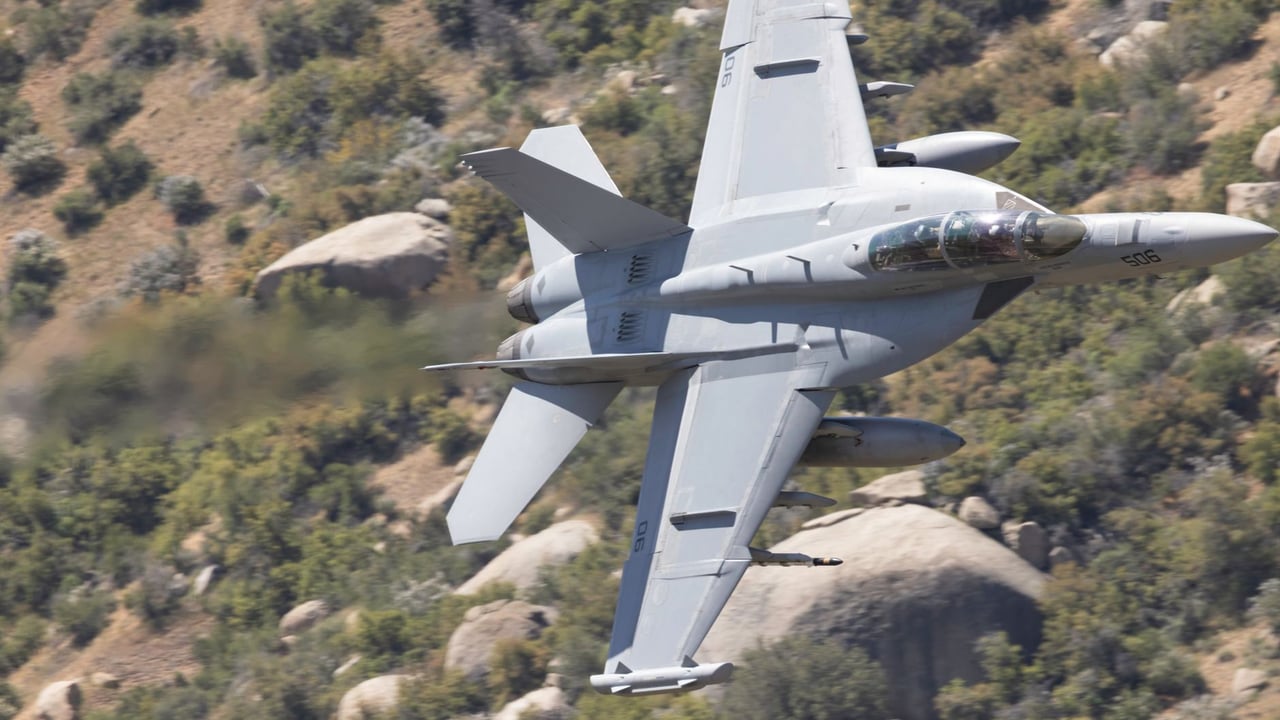

A routine training mission for the U.S. Marine Corps turned into an emergency response operation on June 13, 2026, when an F/A-18 Hornet crashed in Washington State’s Yakima County. The incident, which occurred midday, highlights the persistent hazards associated with high-tempo military aviation exercises conducted over domestic soil.
The impact of the multi-million dollar fighter jet ignited a brush fire that quickly spread into the surrounding forest. Local fire departments were forced to deploy multiple firefighting helicopters to contain the blaze, which threatened the rugged terrain of the Pacific Northwest. While the aircraft was lost, the pilot managed a successful ejection and is currently receiving treatment at a nearby medical facility.
Officials from the 3rd Marine Aircraft Wing characterized the event as a "non-fatal aviation mishap" during a scheduled flight. The command has since initiated a formal investigation to determine whether mechanical failure, environmental factors, or pilot error contributed to the crash. Such investigations typically take months to conclude, focusing on data from the flight recorders and maintenance logs.
This crash occurs at a critical juncture for the Marine Corps as it balances the need for rigorous training with the safety of civilian-adjacent airspaces. The environmental fallout of the crash, specifically the resulting wildfire, adds a layer of complexity to military-civilian relations in regions frequently used for tactical maneuvers. As climate-driven fire risks intensify in the American West, the ecological footprint of military accidents is becoming a heightened concern for local authorities.