Beyond the Crash: Super Hornet Down in Washington State Amid Heightened Readiness Concerns

A U.S. Navy F/A-18 Super Hornet crashed in Washington state, causing a forest fire while the pilot ejected safely. The incident raises critical questions regarding the maintenance of aging naval aviation assets and the environmental risks of domestic military training.

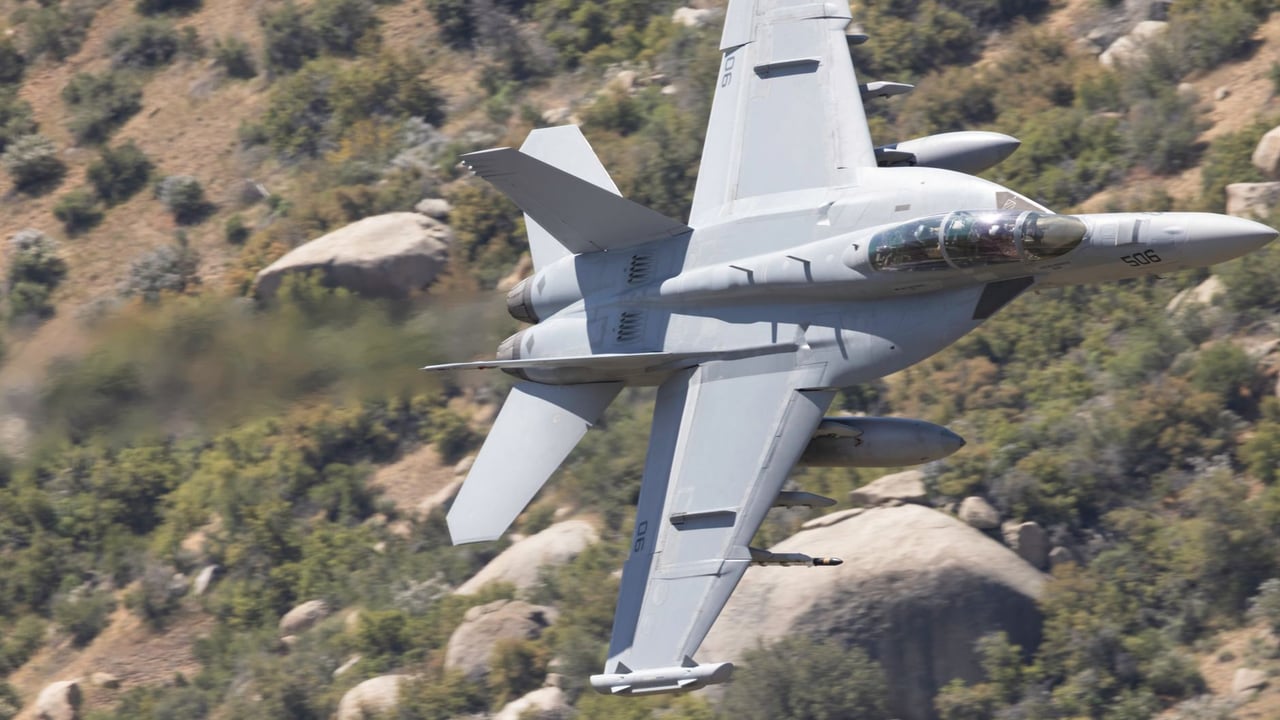
F-18 Super Hornet flies low over Kernville, California, showcasing speed and agility amidst rugged terrain.

Key Takeaways

  • 1The pilot successfully ejected and survived the crash without reported major injuries.
  • 2The aircraft's impact ignited a forest fire in rural Washington state, requiring emergency containment.
  • 3The F/A-18 Super Hornet is a critical component of U.S. carrier-based strike capabilities.
  • 4Initial reports suggest the loss of a multi-million dollar airframe at a time of high operational demand.

Editor's
Desk

Strategic Analysis

This crash is more than a routine training mishap; it serves as a microcosm of the systemic pressures facing the U.S. Navy's aviation wing. As the Pentagon balances the need for high-readiness in theaters like the Indo-Pacific against a backdrop of aging airframes and budget constraints, the attrition of high-value assets becomes a strategic liability. Observers in Beijing and elsewhere often utilize such incidents to construct a narrative of declining American military reliability. Beyond the immediate technical investigation, the Navy faces the challenge of managing the diplomatic and domestic optics of its operational safety record, especially when military accidents impact civilian-adjacent ecological zones.

China Daily Brief Editorial
Strategic Insight
China Daily Brief

A Boeing F/A-18E/F Super Hornet, the versatile workhorse of the United States Navy’s carrier air wings, crashed on Sunday in a remote area of Washington state. The incident, which triggered a localized forest fire, saw the pilot successfully ejecting before the aircraft impacted the terrain, according to reports surfacing from Chinese state media and international monitors.

Emergency responders were quickly dispatched to the site to contain the blaze, highlighting the dual risk military training exercises pose to both personnel and the environment. While the pilot’s survival is a testament to the reliability of modern ejection systems, the loss of a sophisticated fourth-generation fighter represents a significant financial and operational setback for a Navy already stretched thin by global deployments.

The Super Hornet serves as the backbone of American maritime power projection, and any loss within the fleet is scrutinized for patterns of mechanical failure or pilot fatigue. As investigations begin, the focus will likely shift toward the age of the specific airframe involved and whether the high operational tempo of recent years is beginning to take a toll on maintenance cycles and ground crew efficiency.

This incident occurs at a delicate time when the U.S. military is navigating a complex transition toward next-generation platforms while attempting to maintain the reliability of its existing inventory. The resulting fire also underscores the increasing friction between military training requirements and environmental preservation in the Pacific Northwest, where seasonal conditions can turn minor sparks into significant ecological threats.

Share Article

Related Articles

📰
No related articles found