The Long Shadow over the Galilee: Israel’s Deepening Incursion into Southern Lebanon

Israel has escalated its military operations in Southern Lebanon, shifting toward a broader campaign to dismantle Hezbollah's border presence. This intensification marks a failure of recent diplomatic efforts and heightens the risk of a full-scale regional war.

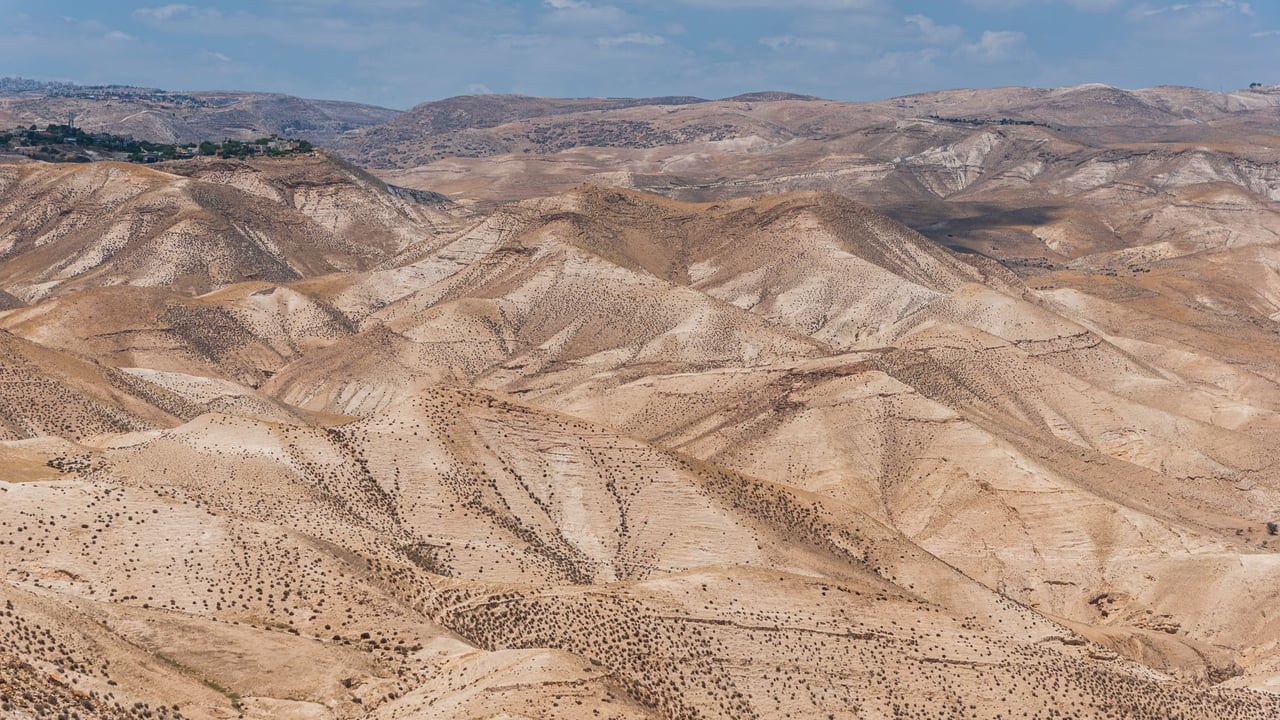
Scenic view of arid desert hills under a clear blue sky in Israel.

Key Takeaways

  • 1The IDF has transitioned from precision strikes to intensive, large-scale military maneuvers in Southern Lebanon.
  • 2Operations are primarily targeted at Hezbollah's subterranean infrastructure and border tactical positions.
  • 3Diplomatic efforts by international powers have stalled, leading to an increased reliance on military force by the Israeli cabinet.
  • 4Displacement of civilians on both sides of the border continues to exacerbate a growing humanitarian crisis.

Editor's
Desk

Strategic Analysis

The current trajectory of the IDF's operations in Lebanon suggests that Israel is attempting to unilaterally enforce a security arrangement that diplomacy could not secure. By creating a 'no-man's land' through intensive bombardment and ground incursions, Israel seeks to push Hezbollah forces north of the Litani River. However, history suggests that such buffer zones often become quagmires, drawing the IDF into a prolonged occupation that fuels local insurgency and risks direct Iranian intervention. For Beijing, the conflict serves as a case study in the limitations of US security guarantees in the Middle East, allowing China to position itself as a proponent of 'stability' while the West remains mired in the tactical complexities of the Levantine crisis.

China Daily Brief Editorial
Strategic Insight
China Daily Brief

The Israeli Defense Forces have significantly intensified their military operations across Southern Lebanon, signaling a strategic pivot from targeted retaliatory strikes to a broader campaign aimed at neutralizing Hezbollah’s entrenched border infrastructure. This surge in activity represents a critical escalation in a conflict that has simmered for months, threatening to reshape the security architecture of the Levant.

Israeli ground and air assets are now focused on dismantling what the military describes as a sophisticated network of tunnels and firing positions used by the Iran-backed militant group. While the official objective remains the safe return of displaced Israeli citizens to the north, the scale of the current maneuvers suggests a more permanent ambition to establish a kinetic buffer zone along the Blue Line.

International mediation efforts, led primarily by the United States and France, appear to have reached a diplomatic impasse as both sides dig in. The intensification reported by regional observers indicates that the window for a negotiated settlement is closing, replaced by a grueling war of attrition that neither side seems capable of winning outright but both are unwilling to forfeit.

Beijing’s reporting on the escalation through Xinhua reflects a growing international concern over regional destabilization. By highlighting the 'intensive' nature of the Israeli military actions, Chinese state media underscores a narrative of Western-aligned military force being applied in a manner that risks a wider regional conflagration involving multiple non-state actors and sovereign states.

Share Article

Related Articles

📰
No related articles found