Beyond the Saucer: What the Pentagon’s ‘Potato-Shaped’ UFOs Reveal About Modern Aerial Surveillance

The U.S. Department of Defense has released a third tranche of declassified UAP documents, detailing bizarre encounters including textured, irregular objects and multi-part aerial anomalies. These disclosures highlight an evolving military posture that prioritizes data-sharing and transparency in an era of increasingly congested and contested airspace.

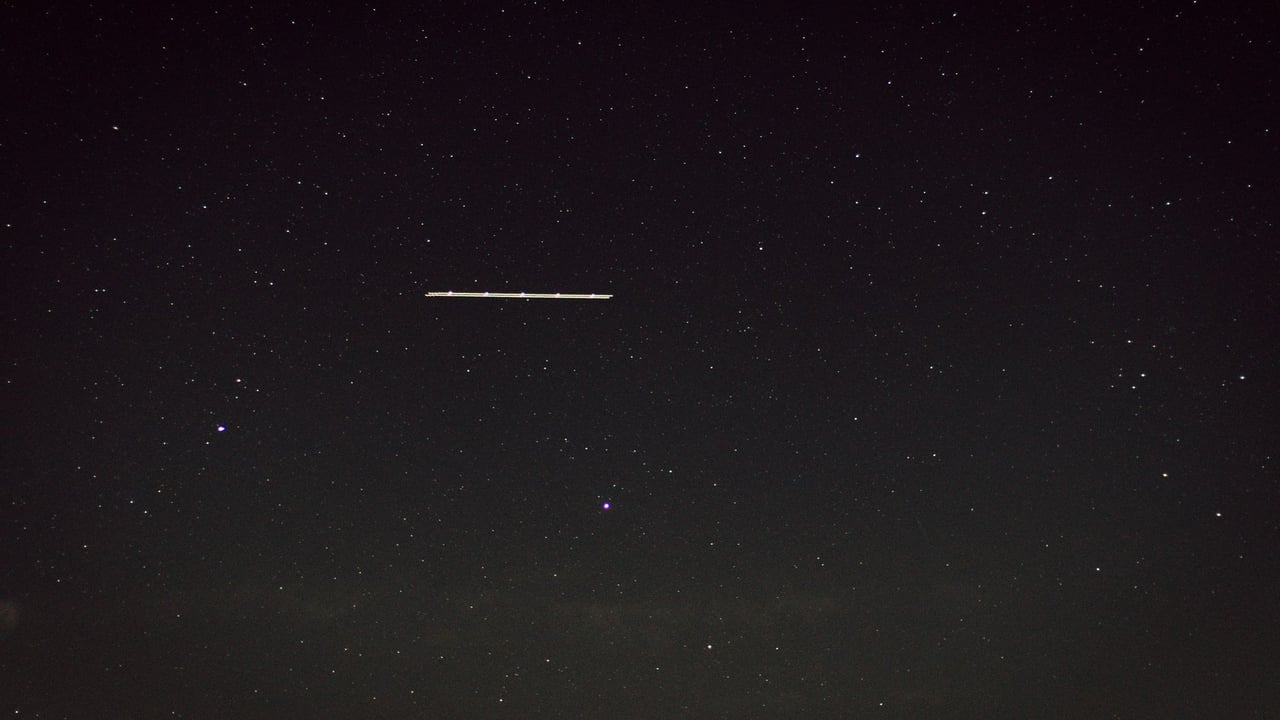
Captivating star-filled night sky with a mysterious line of light, captured in Germany.

Key Takeaways

  • 1The U.S. Department of Defense released 72 new declassified documents concerning Unidentified Anomalous Phenomena (UAP).
  • 2Military witnesses provided vivid descriptions of irregular objects, including one with a 'fish-scale' texture and another that released smaller spheres.
  • 3The sightings often involve rapid disappearances and maneuvers that challenge conventional aerodynamic models.
  • 4The declassification reflects a broader institutional shift toward normalizing UAP reporting within the armed forces to enhance national security.

Editor's
Desk

Strategic Analysis

The Pentagon's pivot toward declassification is less about admitting the existence of extraterrestrials and more about reclaiming the narrative around national security and air superiority. By rebranding these events as 'Unidentified Anomalous Phenomena,' the military is attempting to encourage reporting from pilots who previously feared for their careers. This transparency serves a dual purpose: it helps identify advanced foreign adversarial technology, such as high-end drones from China or Russia, while placating a public and a Congress that are increasingly demanding accountability. The 'potato-shaped' and textured descriptions suggest that the era of the 'flying saucer' is being replaced by a more complex reality of sensor artifacts, electronic warfare testing, and perhaps truly unidentified aerial platforms.

China Daily Brief Editorial
Strategic Insight
China Daily Brief

The Pentagon’s latest disclosure of declassified files regarding Unidentified Anomalous Phenomena (UAP) marks a significant moment in the ongoing push for military transparency. This third installment of records provides a granular look at sightings that have long been the subject of internal speculation and classified briefings. By moving these accounts into the public domain, the U.S. military is signaling a shift away from the reflexive secrecy of the Cold War toward a more data-driven approach to national security.

Among the more striking accounts in the new batch is a report from U.S. service members describing a "potato-shaped" object hovering in the sky. Witnesses noted a peculiar "fish-scale" texture on its surface, a level of detail that deviates from the smooth, metallic descriptions typical of popular science-fiction tropes. This specific sighting reportedly lasted for two minutes before the object vanished abruptly, leaving observers with more questions than answers.

The tactical significance of these encounters is underscored by the erratic behavior and modular nature of the objects. Some files detail a massive orange orb that appeared to "spawn" a sequence of smaller red spheres, raising complex questions about propulsion systems and the potential for multi-platform technology. These descriptions challenge conventional aerodynamic understanding and suggest that the phenomena being recorded may not fit into traditional categories of flight.

These releases reflect an evolving institutional posture that prioritizes the destigmatization of UAP reporting among pilots and radar operators. By categorizing these events as anomalies rather than extraterrestrial visitors, the Department of Defense is attempting to refine its sensor data and identify potential gaps in domestic airspace security. The transparency serves to mitigate the risk of missing genuine adversarial technology disguised as unidentifiable objects.

Share Article

Related Articles

📰
No related articles found