
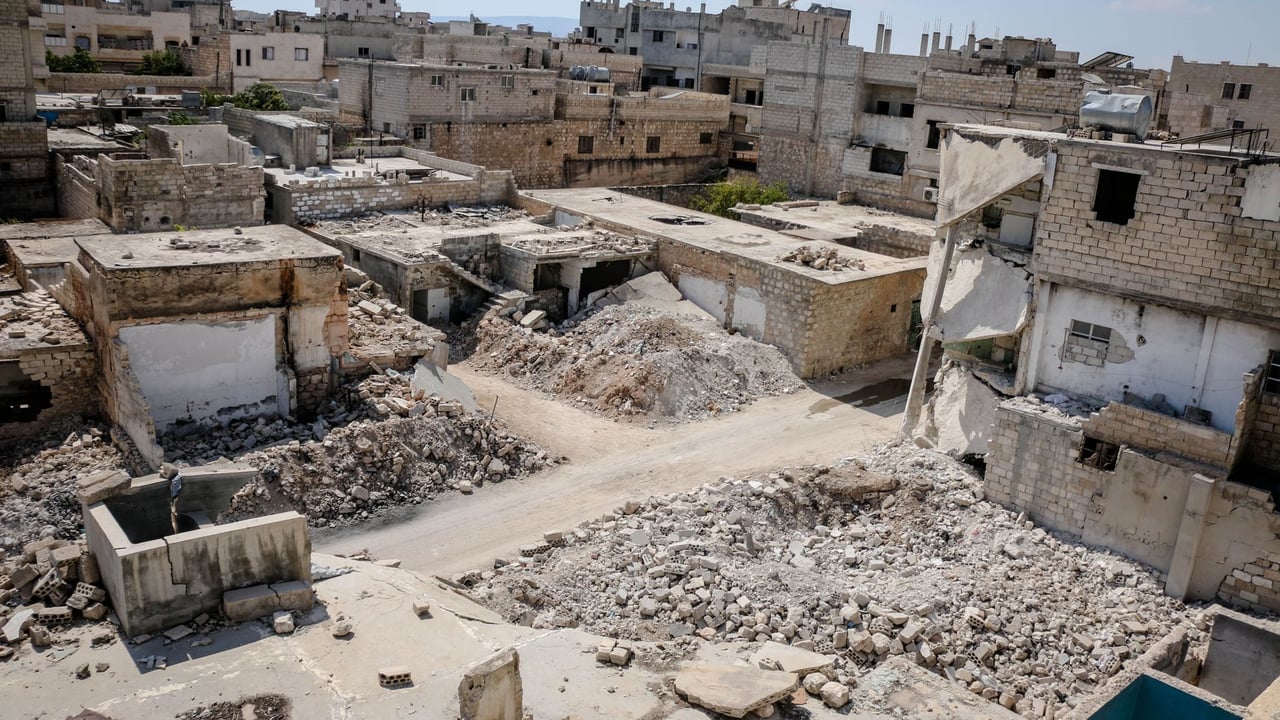

A high-stakes Israeli air strike on the Dahiyeh district of Beirut has sent shockwaves through the international diplomatic community, threatening to derail a nascent peace initiative between Washington and Tehran. The operation, personally ordered by Prime Minister Benjamin Netanyahu, targeted Hezbollah strongholds but resulted in an immediate and uncharacteristically sharp public rebuke from U.S. President Donald Trump. On a day described as a critical juncture for regional diplomacy, the kinetic action has exposed a widening rift between the strategic priorities of the Israeli cabinet and the White House's deal-making ambitions.
President Trump took to social media to condemn the timing of the strike, asserting that such military actions 'should not have happened,' particularly as the United States was reportedly nearing a landmark peace agreement with Iran. The President’s rhetoric signals a transactional approach to Middle Eastern security, urging both Israel and Hezbollah to cease hostilities to preserve the space for broader geopolitical realignment. This public friction suggests that the 'blank check' often associated with U.S.-Israel relations is being tested by Trump’s desire for a legacy-defining accord with the Islamic Republic.
Tehran’s reaction was swift and predictably caustic, casting the strike as a definitive failure of American diplomatic credibility. Iranian Parliament Speaker Mohammad Bagher Qalibaf stated that the assault on Lebanon's capital proves the United States either lacks the will or the capacity to enforce its diplomatic commitments. By declaring that the continuation of the dialogue process has become 'impossible,' Iran is signaling a potential retreat into hardline posturing, leveraging the Beirut strike as proof of Western bad faith.
The Dahiyeh strike represents a calculated risk by Netanyahu, who appears determined to neutralize the threat from Hezbollah regardless of the diplomatic calendar in Washington. However, the fallout risks leaving Israel isolated if the Trump administration perceives Israeli security maneuvers as a direct sabotage of U.S. foreign policy goals. As the smoke clears in Beirut, the immediate challenge for international mediators will be to prevent a total collapse of the communication channels that had, until this week, offered a rare glimmer of regional de-escalation.