
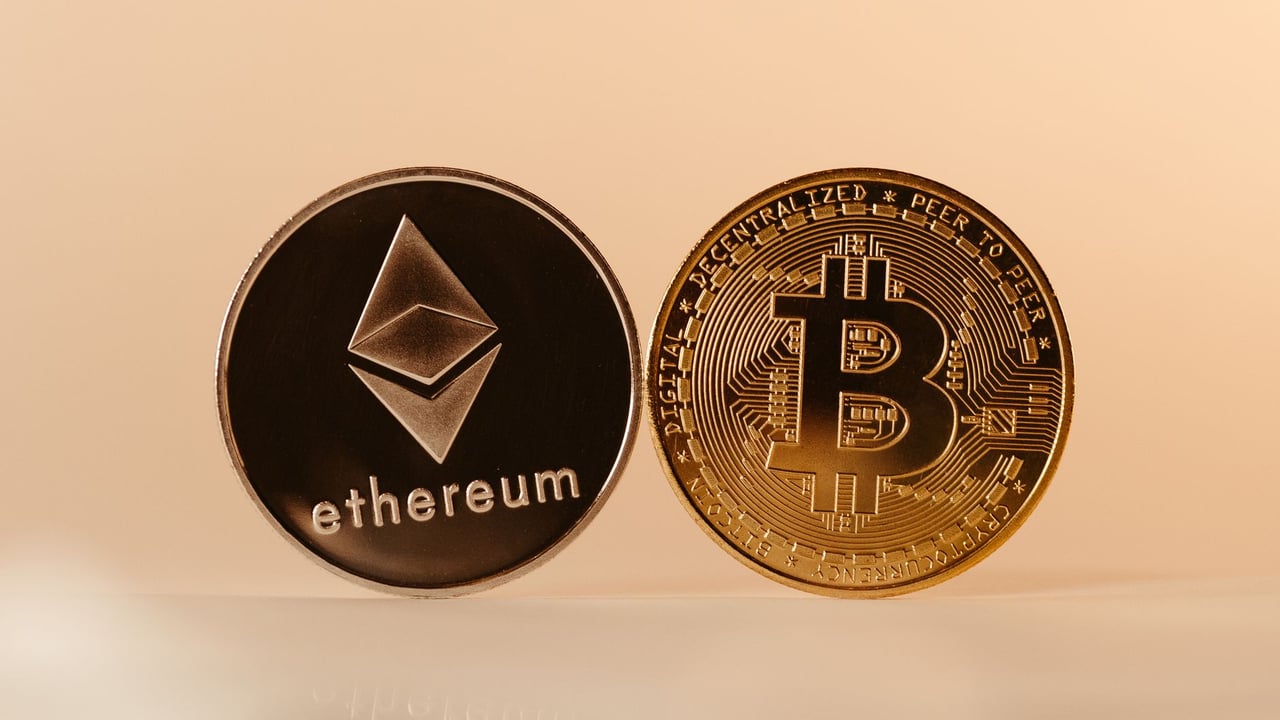

The digital asset market has signaled a renewed appetite for risk-hedging, with Bitcoin surging past the $65,000 threshold. In a 24-hour window ending mid-June 2026, the premier cryptocurrency climbed to $65,294.40, marking a 1.05% gain. This movement comes at a time of heightened global uncertainty, reinforcing the asset's status as a 'digital gold' for investors navigating a fragmented geopolitical landscape.
The broader crypto market followed this upward trajectory, though with varying degrees of momentum. Ethereum, the second-largest cryptocurrency by market capitalization, recorded a 1.76% increase, reaching $1,716.76. While Bitcoin's breach of the $65,000 mark captures the primary headline, the relative valuation of Ethereum suggests a market currently more focused on store-of-value assets rather than the broader decentralized finance ecosystem.
Geopolitical tremors appear to be the primary catalyst for this recent price action. Reports of escalating tensions in the Middle East, including threats of comprehensive logistical closures in Iran, have historically driven capital toward non-sovereign assets. As traditional markets grapple with these supply-chain threats, Bitcoin continues to serve as a high-liquidity gauge for global risk sentiment.
The Chinese media's continued focus on these milestones remains significant despite the domestic ban on crypto trading. Financial outlets in the region are treating these price shifts as critical indicators of global liquidity. This persistence suggests that, even as China's own property market faces cooling volumes, the appetite for understanding global capital flows into alternative assets remains robust among domestic observers.