Beyond the Blue: Japan Rebrands Military to Secure the High Ground of Space

Japan plans to rename its Air Self-Defense Force to the Air and Space Self-Defense Force by 2026 to address emerging orbital threats. This move involves a significant expansion of specialized personnel and reflects a broader shift toward proactive defense amid regional tensions.

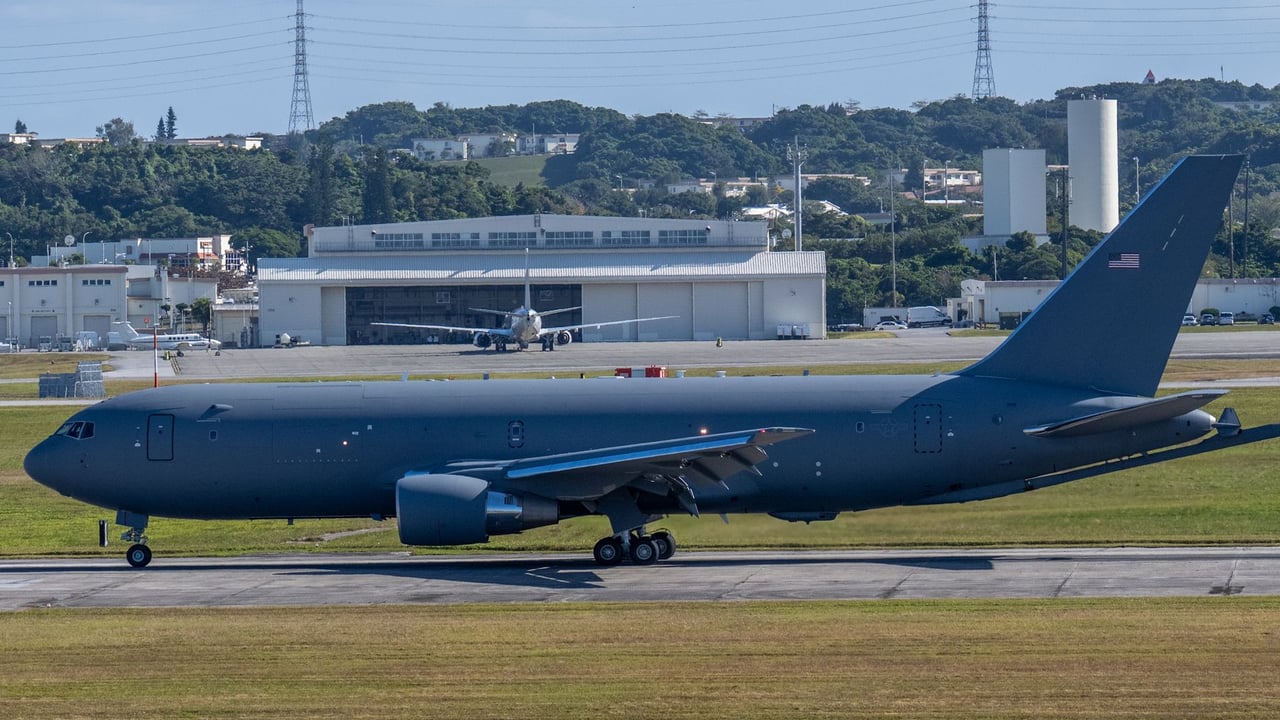
A military aircraft taxiing on a runway at an airbase surrounded by lush green hills.

Key Takeaways

  • 1Japan's ASDF will be renamed the Air and Space Self-Defense Force by fiscal year 2026.
  • 2This represents the first name change for a branch of the SDF since the service was established in 1954.
  • 3Space operations personnel are set to grow from 20 in 2020 to approximately 880 by the end of the expansion period.
  • 4The move aims to formally integrate space as a primary combat domain in response to regional security dynamics.
  • 5Internal political opposition warns of a space-based arms race and the impact on Japan's national budget.

Editor's
Desk

Strategic Analysis

The rebranding of the ASDF is more than a semantic update; it is a strategic pivot toward multi-domain operations. By elevating space to a primary combat domain, Tokyo is signaling to Beijing and Pyongyang that it is prepared to defend the high-tech infrastructure above the atmosphere that underpins its conventional military. This shift is a key pillar of Japan's 2022 National Security Strategy, which seeks to transform the SDF into a more 'proactive' force. While the personnel numbers remain relatively small compared to traditional branches, the legal and symbolic shifts lay the groundwork for a more robust, technologically integrated Japanese role in the Western Pacific security architecture. Ultimately, this move tethers Japan more tightly to the US defense umbrella while asserting a more independent capability to monitor and respond to regional threats in real-time.

China Daily Brief Editorial
Strategic Insight
China Daily Brief

Japan is poised to undertake its most significant structural military shift in over 70 years. By fiscal year 2026, the nation’s Air Self-Defense Force (ASDF) will be renamed the Air and Space Self-Defense Force. This transition marks the first rebranding of a Self-Defense Force (SDF) branch since their inception in 1954, signaling a profound evolution in Tokyo’s defense doctrine.

The rebranding is the culmination of a rapid institutional buildup that began in 2020 with a modest 20-person space operations unit. By 2026, this footprint is expected to expand into a full-scale Space Operations Group with nearly 900 personnel. This growth reflects the government’s recognition that orbital superiority is no longer a luxury, but a prerequisite for modern terrestrial defense.

Tokyo’s decision stems from the increasing vulnerability of satellite networks, which are essential for navigation, early warning systems, and secure communications. As regional rivals like China and Russia enhance their anti-satellite capabilities, Japan feels compelled to move beyond a purely atmospheric defense posture. The move aligns closely with the United States’ establishment of its Space Force, fostering deeper interoperability within the bilateral alliance.

However, the shift is meeting significant domestic resistance from those who fear it violates the spirit of Japan's pacifist constitution. Critics, including the Japanese Communist Party, argue that formalizing space as a combat domain risks dragging the country into an expensive and destabilizing celestial arms race. There are also mounting concerns that the ballooning defense budget will inevitably come at the expense of social welfare programs.

Share Article

Related Articles

📰
No related articles found