
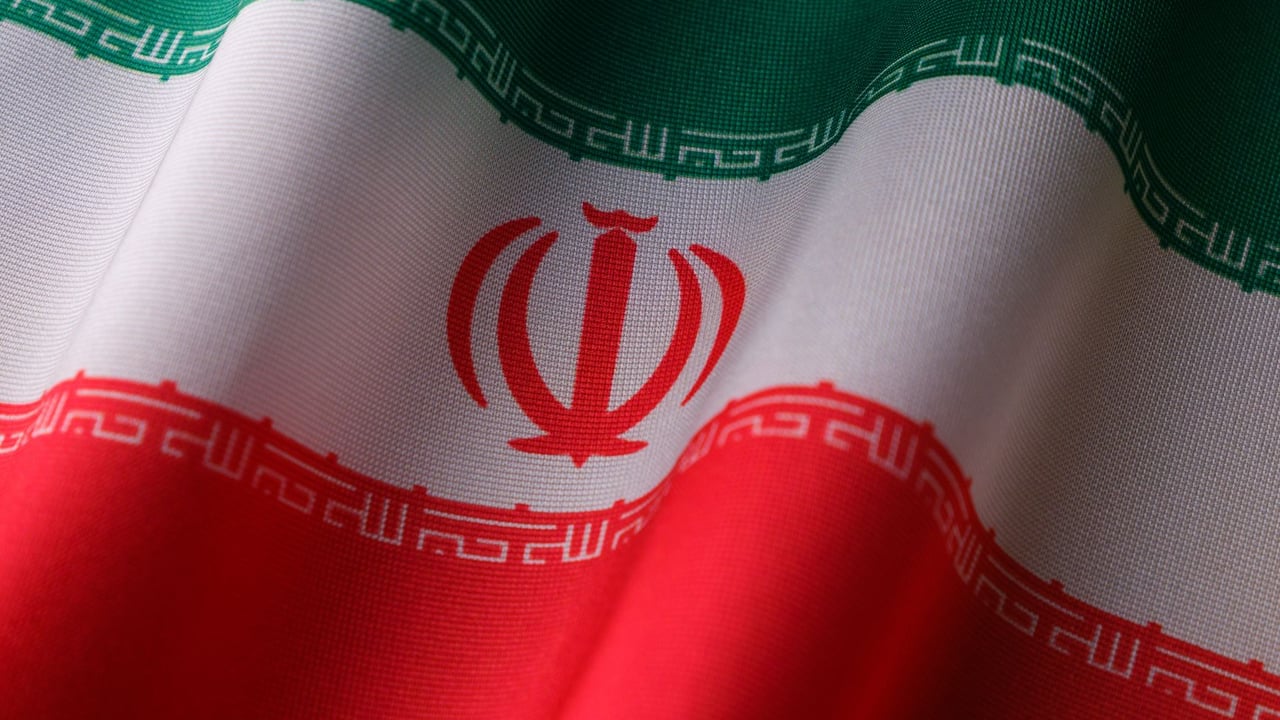

In a strategic move to navigate the tightening knot of Middle Eastern geopolitics, Iranian President Masoud Pezeshkian announced that the country’s Supreme National Security Council has formally resolved to continue diplomatic negotiations. This high-level decision, finalized within a sanctioned framework, suggests that the Iranian leadership is seeking a diplomatic off-ramp despite the bellicose rhetoric currently emanating from its military wings. By framing this as an official decree from the Council, Pezeshkian is signaling a consolidated state position that all domestic political factions are expected to follow.
The timing of this diplomatic pivot is particularly notable as it coincides with a sharp escalation in regional violence. Recent Israeli strikes on residential areas in southern Beirut have drawn sharp condemnation from Tehran, which views these actions as a direct violation of Lebanon’s sovereignty. Iranian officials have further characterized these military operations as a breach of a temporary ceasefire agreement purportedly reached between Tehran and Washington on April 8, heightening the diplomatic friction between the two long-time adversaries.
While the presidency promotes the path of negotiation, the Iranian security apparatus maintains a starkly different tone. General Abdollahi of the Khatam al-Anbiya Central Headquarters warned that Iranian forces remain on high alert with their 'fingers on the trigger,' ready to strike at the heart of any perceived aggressor. This juxtaposition of olive branches and saber-rattling reflects a complex internal balancing act, where the state seeks to maintain its deterrent posture while keeping the door ajar for international engagement.
Foreign Ministry officials have explicitly placed the burden of responsibility on the United States, arguing that Washington must be held accountable for Israeli actions and their subsequent regional consequences. As the Islamic Republic prepares its next moves, the international community is left to discern whether the 'impending response' promised by security officials will take a military or a purely diplomatic form. For now, Tehran remains committed to a dual-track strategy of prepared resistance and structured dialogue.