A Persistent Achilles Heel: The HMS Prince of Wales and the Royal Navy’s Reliability Crisis

The HMS Prince of Wales has suffered a new technical fault in Norway following a major NATO exercise. This incident adds to a long history of mechanical failures for the carrier, raising serious concerns about British naval reliability and its role in collective NATO defense.

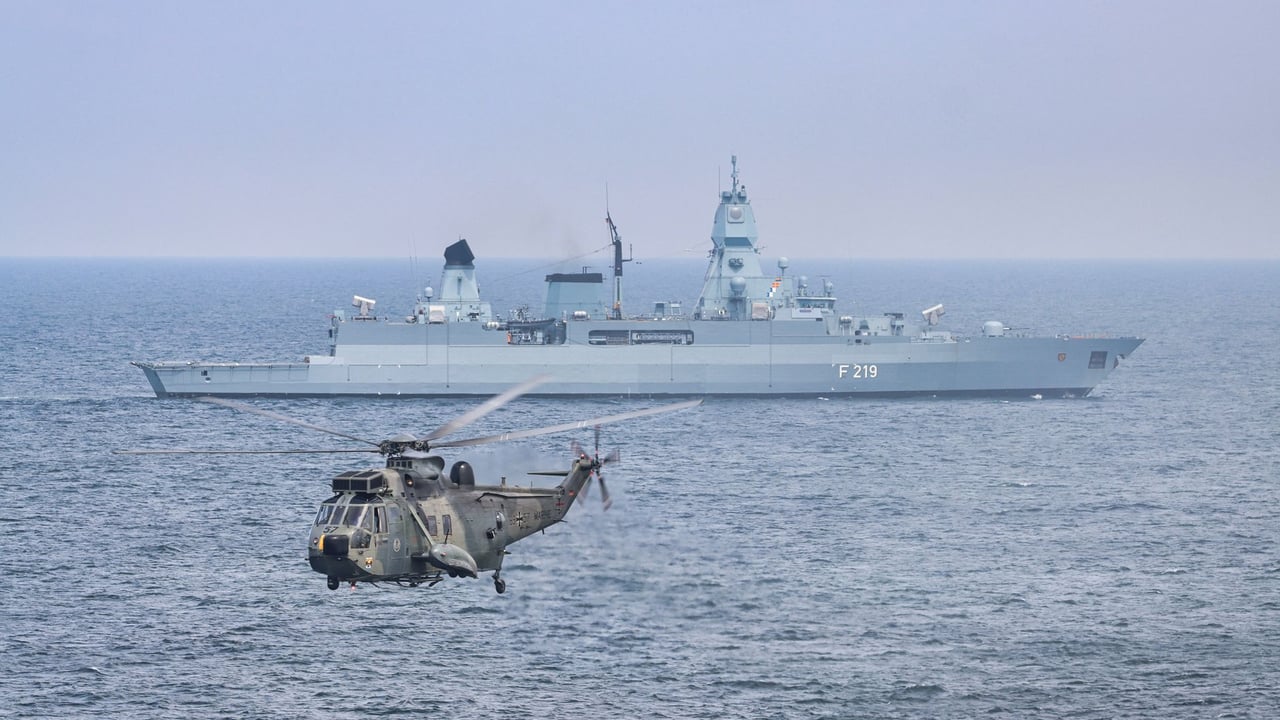
A military helicopter flies over the sea near a German warship, F219.

Key Takeaways

  • 1HMS Prince of Wales experienced a technical fault while docking in Stavanger, Norway, following NATO's 'Dynamic Mongoose 2026' exercise.
  • 2The UK Ministry of Defence characterized the issue as a minor technical problem and expects a quick departure.
  • 3This malfunction follows a series of high-profile breakdowns that have marred the carrier’s service history since its launch.
  • 4The recurring issues undermine the Royal Navy’s strategic goal of maintaining a constant carrier strike capability in the North Atlantic.

Editor's
Desk

Strategic Analysis

The frequent mechanical failures of the HMS Prince of Wales represent more than just bad luck; they signify a crisis of confidence in the UK's flagship military hardware. In the realm of international relations, perception is often as important as reality, and the 'broken-down carrier' narrative has become a potent tool for critics of British defense policy. If the Royal Navy cannot ensure the availability of its most expensive assets during peacetime exercises, its ability to act as a credible deterrent in a high-intensity conflict is fundamentally compromised. This situation may force a rethink of how the UK balances its global naval ambitions against the practicalities of a shrinking maintenance infrastructure and a limited fleet size.

China Daily Brief Editorial
Strategic Insight
China Daily Brief

The HMS Prince of Wales, a centerpiece of Britain’s maritime power, has once again found itself sidelined by mechanical failure. Following the conclusion of the 10-day NATO exercise "Dynamic Mongoose 2026," the aircraft carrier was forced to remain in Stavanger, Norway, after a "technical issue" was discovered. This latest setback comes at a time when the Royal Navy is under intense pressure to prove its operational readiness in an increasingly volatile North Atlantic.

While the UK Ministry of Defence has been quick to downplay the incident as a minor technicality, the ship’s history suggests a more systemic problem. Since its commissioning, the HMS Prince of Wales has been plagued by significant setbacks, including a major propeller shaft failure in 2022 and recurring internal flooding. For a vessel intended to project British influence globally, its inability to maintain a consistent presence at sea is becoming an embarrassment for the Ministry.

Contextually, the timing of this malfunction is particularly sensitive for NATO’s northern flank. The "Dynamic Mongoose" exercises are critical for honing anti-submarine warfare capabilities against sophisticated undersea threats. When one of the alliance's most formidable platforms suffers a technical glitch immediately following these drills, it sends a signal of vulnerability rather than strength to regional adversaries.

Furthermore, the persistent reliability issues of the Queen Elizabeth-class carriers raise broader questions about the UK's defense procurement and maintenance cycles. With defense budgets under scrutiny, the high cost of maintaining a fleet that remains frequently dock-bound is difficult to justify. This incident serves as a reminder that the transition from a regional navy to a global blue-water force requires more than just cutting-edge design; it requires mechanical dependability.

Share Article

Related Articles

📰
No related articles found