
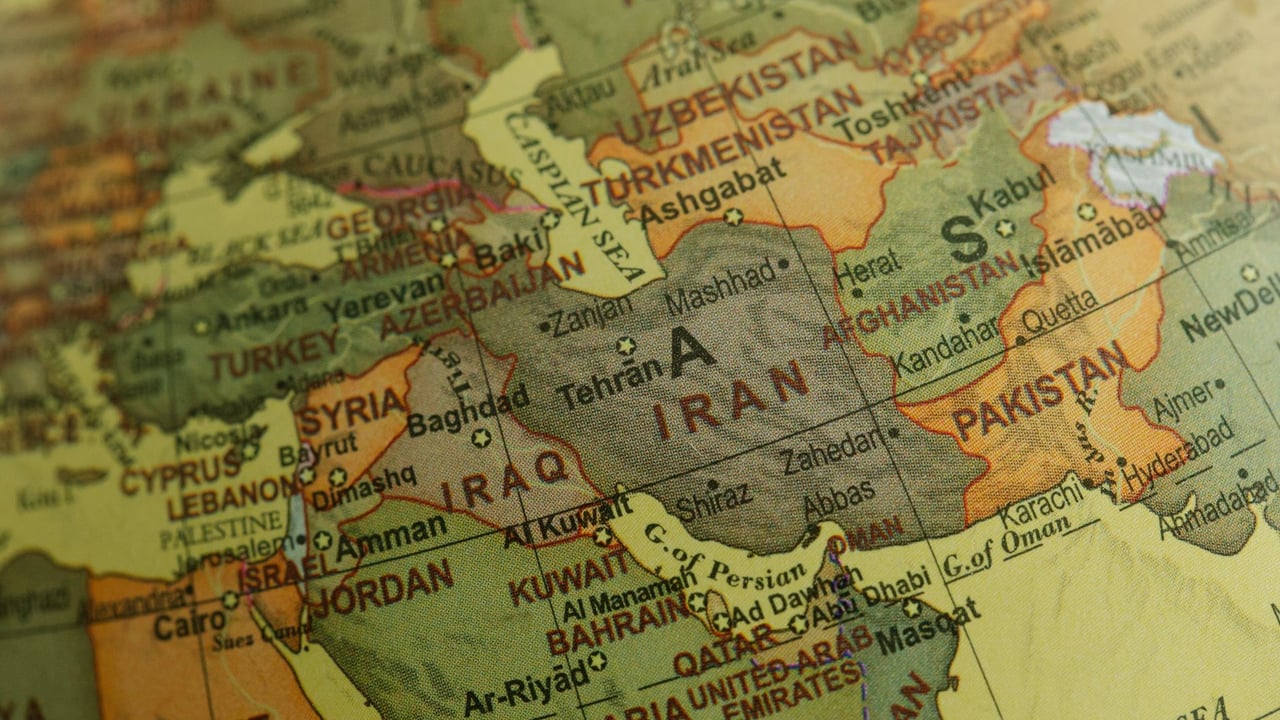

In a diplomatic breakthrough that has stunned global capitals, the Prime Minister of Pakistan announced on June 15, 2026, that the United States and Iran have reached a comprehensive peace agreement. The deal mandates an immediate and permanent cessation of all military operations across all active fronts, potentially ending decades of direct and indirect conflict between Washington and Tehran. This announcement, delivered from Islamabad, positions Pakistan as the primary mediator in a conflict that has long defined Middle Eastern instability.
The agreement marks the culmination of months of secret back-channel negotiations and signifies a radical shift in regional power dynamics. By committing to a permanent halt to military actions, both nations appear to be moving toward a framework of de-escalation that extends beyond a mere pause in hostilities. For the United States, this represents a strategic attempt to de-risk its Middle East presence, while for Iran, it offers a desperate lifeline toward economic reintegration and the lifting of crippling sanctions.
Global energy markets reacted instantly to the news, with crude oil prices experiencing a sharp decline as the risk of a Strait of Hormuz blockade evaporated. Analysts suggest that the 'permanent' nature of this agreement implies a grand bargain that likely addresses nuclear proliferation, regional proxy warfare, and maritime security. While the specific terms remain under wraps, the involvement of Pakistan—a nation with deep historical ties to both the West and the Islamic Republic—provides the necessary neutral ground for such a historic handshake.
However, the path to implementation remains fraught with domestic political challenges in both Tehran and Washington. Hardliners on both sides have long benefitted from the status quo of 'no war, no peace,' and will likely view this accord with deep suspicion. The success of this ceasefire will depend heavily on the verification mechanisms established to monitor proxy activities in Lebanon, Yemen, and Iraq, where the shadow war between these two powers has most frequently turned lethal.