
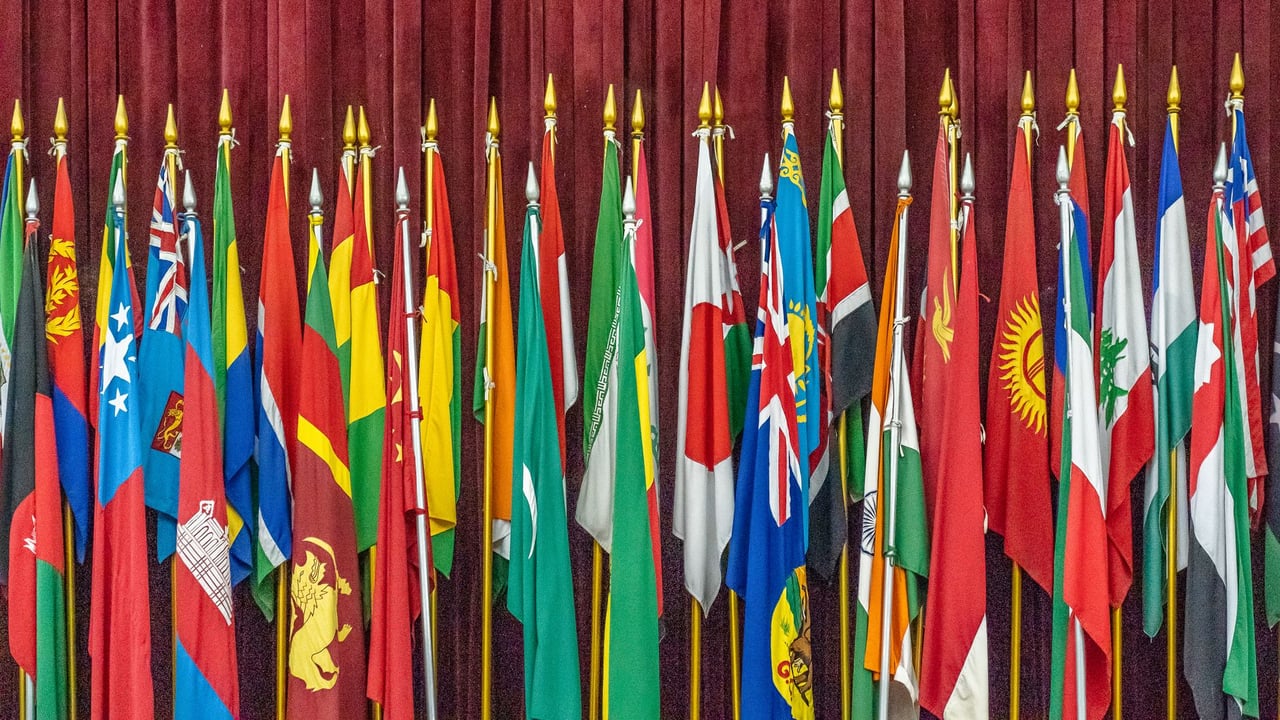

The announcement of a truce memorandum of understanding between the United States and Iran has sent ripples of cautious optimism through the international community. Brokered against a backdrop of mounting maritime tensions, the agreement marks the most significant diplomatic breakthrough in the Persian Gulf in years. Global leaders have signaled their support, viewing this as a pivotal moment to transition from brinkmanship to a structured peace process.
At the heart of the accord is the immediate priority of reopening the Strait of Hormuz, a critical artery for global energy supplies that has faced persistent disruptions. The United Nations and various Western powers have emphasized that the restoration of maritime security is non-negotiable for global economic stability. This diplomatic opening suggests a mutual recognition that the cost of continued conflict has become untenable for both Tehran and Washington.
The 'E4' group—comprising Britain, France, Germany, and Italy—has already outlined a roadmap for reintegrating Iran into the global fold. In a joint statement, these nations expressed a willingness to lift crippling economic sanctions provided that Iran submits its nuclear program to clear and verifiable transparency measures. This 'compliance-for-compliance' framework aims to address long-standing proliferation concerns while offering Iran an economic lifeline.
Security remains a collaborative effort, as evidenced by French President Emmanuel Macron’s mention of a joint Anglo-French maritime escort mission. This multinational presence is designed to serve as a bridge, ensuring that the reopening of the Strait is not merely a political promise but a logistical reality. Meanwhile, regional mediators like Qatar and Turkey have hailed the move as a cornerstone for sustainable peace that could revitalize trade routes across the Middle East.
While the memorandum represents a diplomatic victory, the path forward remains fraught with technical challenges. Upcoming negotiations will focus on the granular details of nuclear monitoring and the sequence of sanctions relief. For now, the global consensus is clear: the memorandum provides a rare window of opportunity to stabilize a volatile region and secure the flow of global commerce.