
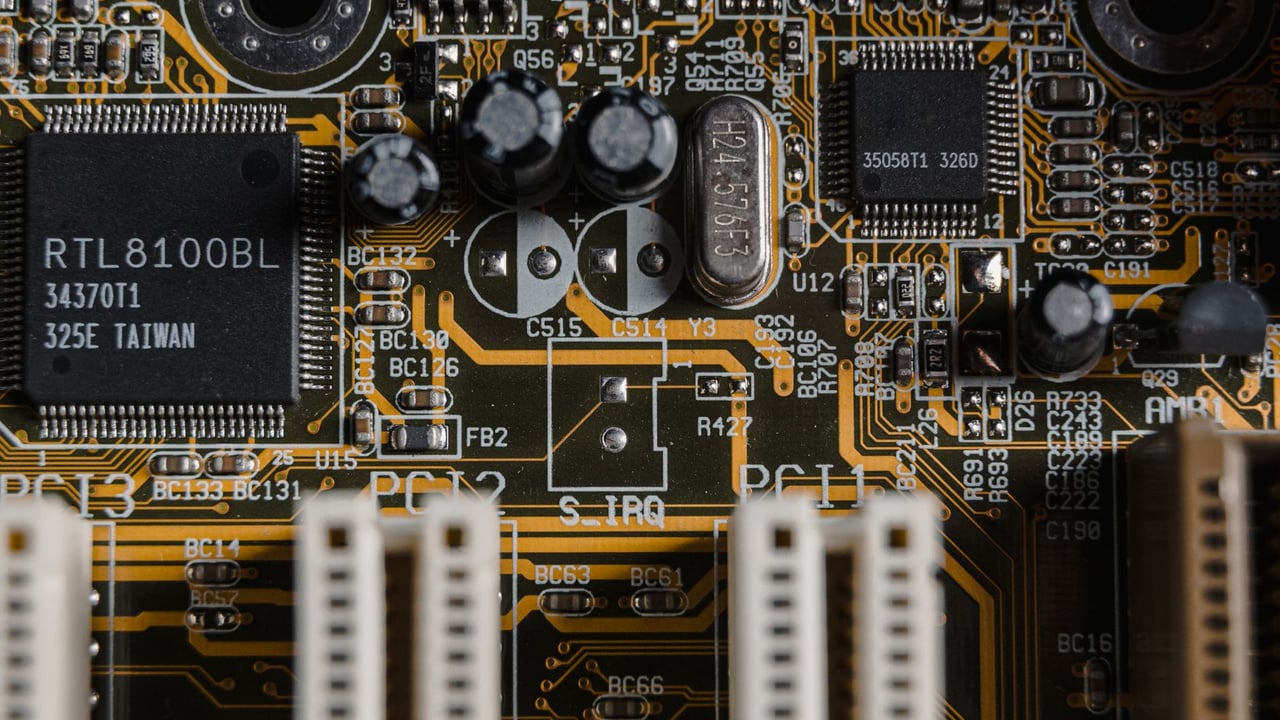

The Chinese equity markets are witnessing a significant structural shift as investor capital moves aggressively into the 'pick and shovel' plays of the artificial intelligence revolution. While global attention often remains fixed on large language models, the underlying hardware architecture—specifically Co-packaged Optics (CPO) and high-end Printed Circuit Boards (PCB)—is becoming the new frontline for Chinese industrial policy and market speculation. This rally is underpinned by a dual-track strategy of domestic technological breakthroughs and the consolidation of strategic resource control.
Market forecasts suggest the global AI optical module PCB market will expand more than five-fold by 2028, reflecting an annual growth rate of 83% that vastly outpaces the growth of the modules themselves. This surge is driven by the necessity of higher-density interconnects required to handle the massive data throughput of AI clusters. As Nvidia and other global leaders scramble for high-end materials like HVLP4 copper foil, Chinese domestic suppliers are moving to fill a critical supply gap that is expected to reach 1,500 tons by 2026.
Beyond basic components, Chinese research institutions are reporting pivotal advancements in high-performance computing hardware. The recent development of three-dimensional multi-layer on-chip capacitors at the Hubei Jiangcheng Laboratory represents a significant leap in power management for GPU and AI chips. By achieving record-breaking capacitance density, these components are designed to support the high-computational, low-power requirements of next-generation processors, signaling a move toward indigenous self-sufficiency in the semiconductor supply chain.
The hardware boom is increasingly intertwined with Beijing's tightening grip on raw materials. The implementation of the revised Mineral Resources Law, effective June 15, has formally designated 36 minerals—including tungsten, germanium, and lithium—as national strategic resources. This move contextualizes the recent stock price limits hit by industry leaders in the non-ferrous sector. By linking resource security to the AI hardware boom, China is reinforcing its position as a critical, and perhaps indispensable, node in the global technology manufacturing hierarchy.