
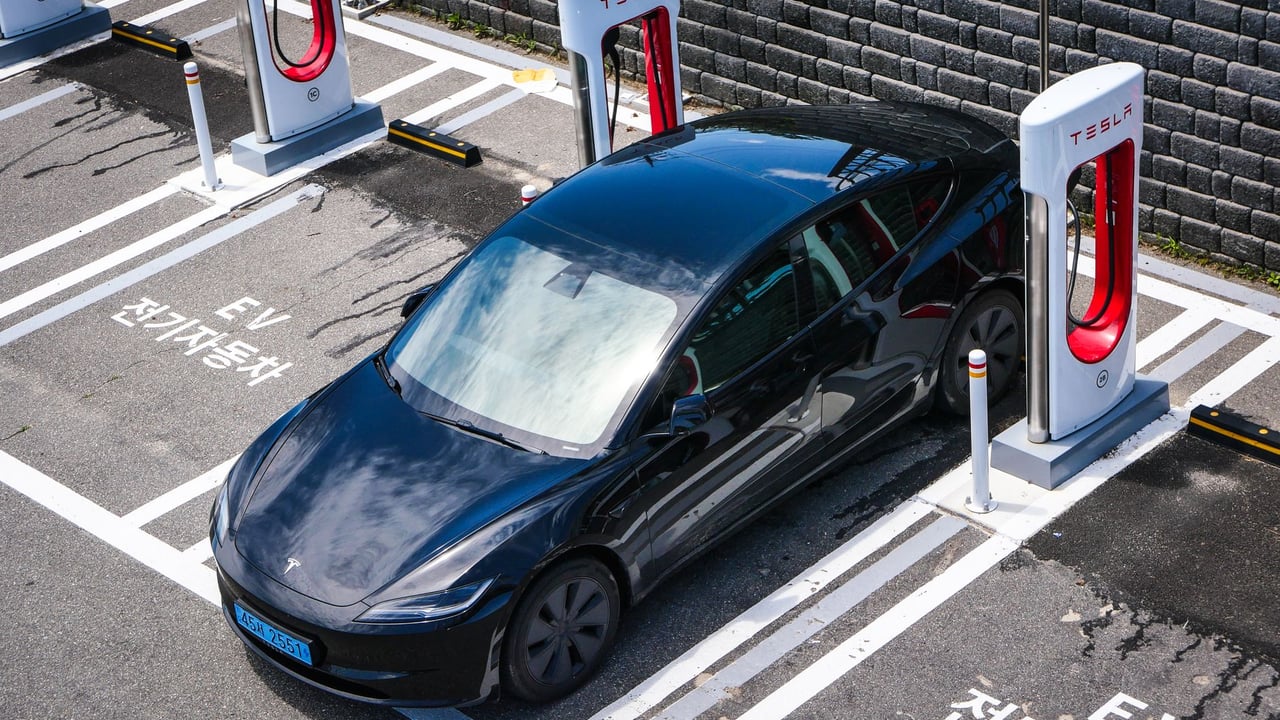

A quiet crisis is expanding across China’s urban landscape, manifesting in the narrow gaps between parked cars and the deepening cracks in asphalt. Driven by consumer psychology and a pursuit of higher profit margins, China’s new energy vehicle (NEV) market has entered an era of 'obesity.' Flagship models now frequently exceed five meters in length and approach three tons in weight, turning once-standard parking spaces into claustrophobic traps and putting unprecedented pressure on the nation's road networks.
This shift toward 'jumbo' EVs is not merely a matter of aesthetics but a structural transformation of the automotive market. Data indicates that the average curb weight of Chinese NEVs has surged by nearly 30% since 2020. The '532' specification—five meters long, a three-meter wheelbase, and two meters wide—has transitioned from a premium niche to a standard benchmark. While these vehicles offer the 'living room on wheels' experience desired by middle-class buyers, they are outgrowing the 2015 parking standards designed for a more modest era of sedans.
The technical culprit behind this weight gain is the battery paradox. To alleviate range anxiety, manufacturers engage in a 'battery stacking race,' with average capacities jumping from 43 kWh to 63 kWh in just four years. However, adding 100 kWh of battery adds over half a ton of dead weight, creating a vicious cycle: heavier cars require more energy to move, which in turn requires even larger batteries. This weight creep is further exacerbated by an arms race in luxury features, ranging from zero-gravity seats to onboard refrigerators and even built-in showers.
From a fiscal perspective, the current system is reaching a breaking point. For nearly two decades, internal combustion engine (ICE) owners have effectively subsidized EV road usage through fuel taxes, which include a built-in road maintenance fee. As EV penetration hits record highs—surpassing 66% in some weeks—the fuel tax base is evaporating. Given that a three-ton EV causes significantly more road wear than a 1.5-ton gasoline car due to the 'Fourth Power Law' of axle weight, the call for 'Equal Rights for Gas and Electric' is moving from online forums into the halls of policy.
Beijing is finally stepping in to curb this trend. A mandatory national standard for electric vehicle energy consumption is set to take full effect in 2026, imposing strict limits on how much electricity a vehicle can consume based on its weight. This regulation effectively chokes the strategy of simply adding more batteries to hide engineering inefficiency. Furthermore, industry experts are now seriously proposing a weight-based or mileage-based road tax to replace the dwindling fuel tax, signaling that the 'free ride' for heavy EVs is coming to an end.