
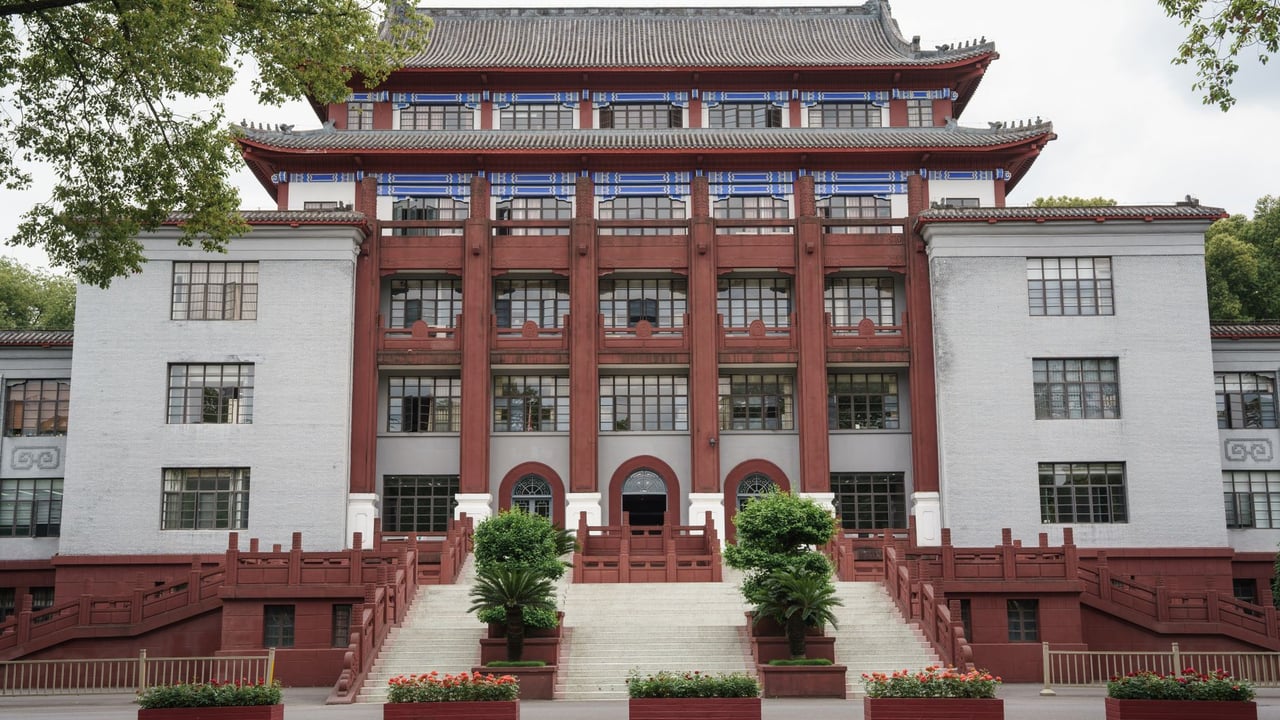

In a move that defies standard demographic trends, China’s elite universities are aggressively expanding their undergraduate enrollment even as the total number of college entrance exam participants continues to slide. This year, 12.9 million students sat for the high-stakes Gaokao—a decrease of 450,000 from the previous year—yet prestigious "985" institutions like Nanjing University and Southeast University are adding hundreds of new seats to their freshman classes. This trend marks the second consecutive year of declining test-takers, signaling a permanent shift in China's educational landscape.
This expansion is far more than a populist move to lower the pressure on stressed-out teenagers; it is a calculated state-directed maneuver to fuel China’s industrial upgrading. As the nation pivots from a growth model driven by real estate toward a high-tech frontier, the demand for sophisticated labor in artificial intelligence, semiconductors, and aerospace has reached a fever pitch. The government is essentially betting that by increasing the supply of elite graduates, it can maintain its competitive edge in the global technological arms race.
The specific areas of expansion are telling. Schools like Tsinghua and Peking University are not just adding seats generally; they are funneling students into "strategic emerging industries" such as quantum information, humanoid robotics, and low-altitude economy. By tightening the mathematical difficulty of the Gaokao while simultaneously opening more doors at the top, Beijing is effectively filtering for the specific type of analytical talent required to break through Western technology bottlenecks.
However, this "Great Enrollment" for the elite creates a brutal environment for China’s private higher education sector. These private colleges are currently caught in a pincer movement between the "siphoning effect" of prestigious public schools and a demographic cliff that is rapidly approaching. With elite schools taking a larger share of a shrinking student pool, many private institutions are already struggling to fill their quotas, even after multiple rounds of lowering admission standards.
The long-term outlook remains grim for the broader education industry. China’s birth rate has plummeted since its 2016 peak, and the ripple effects have already decimated the kindergarten sector and begun to impact primary schools. Projections suggest that higher education enrollment will hit a peak in 2032 before entering a precipitous decline, likely leading to a wave of closures for lower-tier institutions and a surplus of unemployed educators across the country.