
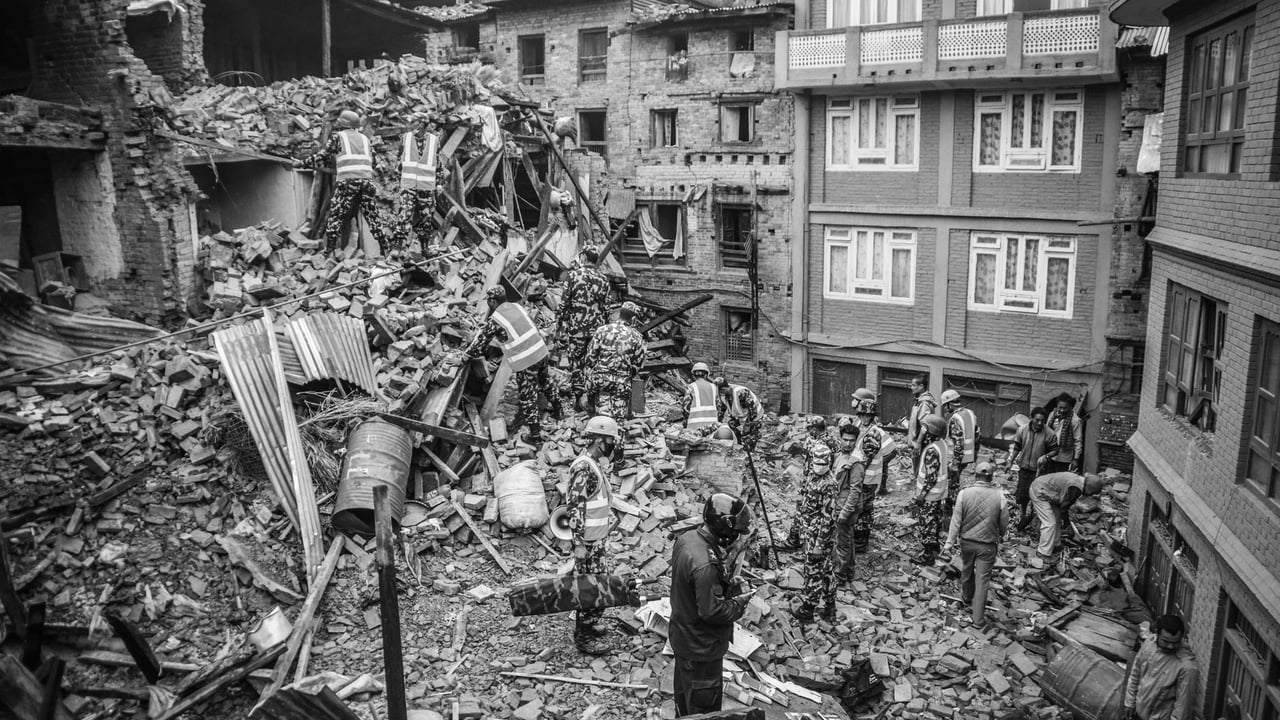

In early June, a video call bridged a 16-year gap and thousands of miles between a military veteran in central China and a Tibetan teenager in the high-altitude pastures of Yushu. The connection marked the culmination of a media-led search for Gama Cicheng Angjiang, who as an infant was saved by People's Liberation Army (PLA) doctors following the devastating 7.1-magnitude earthquake in 2010. This orchestrated reunion has been widely publicized as a testament to the enduring bond between the military and the ethnic minority populations in China's borderlands.
The story, which recently resurfaced through a retrospective essay in the PLA Daily, highlights the legacy of the Yushu disaster response. In 2010, military medical staff performed a life-saving surgery on the infant after his parents, fearful of the procedure, initially fled the field hospital. The narrative of the military 'pursuing' the family to save the child serves as a potent metaphor for the 'fish and water' relationship, a foundational concept in Chinese political thought describing the inseparable bond between the army and the people.
The successful search for the teenager was a coordinated effort involving local media, grassroots party officials, and digital social networks across Qinghai province. From radio broadcasts reaching remote caterpillar fungus harvesting camps to village-level party secretaries, the mobilization reflected the state's capacity to reach deep into the Tibetan periphery. It demonstrates how historical acts of benevolence are systematically curated and revived to bolster contemporary political legitimacy and social cohesion.
For the Chinese government, these stories are critical tools for promoting 'ethnic unity' (minzu tuanjie) in sensitive regions. By focusing on the personal gratitude of a Tibetan youth toward a Han-dominated military institution, the state reinforces the image of the PLA as a protective and paternalistic guardian. This branding is essential in regions like Yushu, where the state seeks to harmonize local identity with national loyalty through narratives of shared trauma and recovery.