
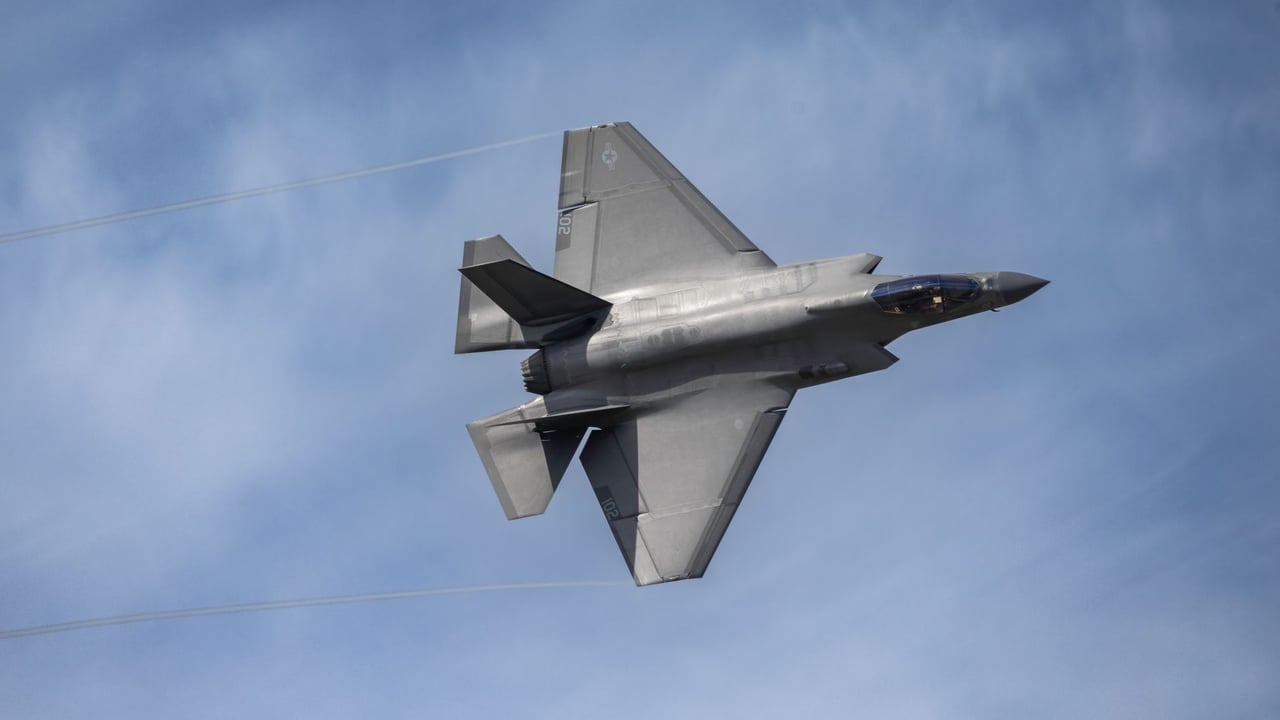

The F-35 Lightning II was designed to be the undisputed backbone of 21st-century air power, a marvel of stealth and integrated sensors. However, a recent audit by the U.S. Government Accountability Office has exposed a sobering reality: the aircraft’s full mission-capable rate for the 2025 fiscal year has plummeted to a mere 25%. This means that out of every 100 jets, only 25 are truly prepared for combat, raising urgent questions about the resilience of the American defense industrial base.
At the center of this operational paralysis is a vulnerability that has shifted from a theoretical risk to a practical disaster: the rare earth supply chain. Each F-35 requires approximately 410 kilograms of rare earth elements (REEs) for its engines, sensors, and specialized stealth coatings. With China controlling over 90% of global heavy rare earth processing, Beijing’s increasingly restrictive export licensing has effectively placed a stranglehold on the program’s logistics.
The impact on the ground is stark, with delivery lead times for critical military-grade magnets reportedly extending by three to six times their original duration. This bottleneck has turned the F-35’s sophisticated production line into a high-tech hostage of geopolitical maneuvering. While Washington has attempted to stimulate domestic production through billions in subsidies, the technical gap remains vast, leaving the military with rising costs and dwindling availability.
Financial data illustrates the growing inefficiency of the program as maintenance expenditures are projected to climb toward $6 billion by 2025. This surge in spending stands in sharp contrast to the declining readiness of the fleet, where the Marine Corps' B-model and the Navy's C-model report availability rates below 17%. The disconnect between massive investment and actual combat readiness suggests a systemic failure in managing the globalized dependencies of modern weaponry.
Interestingly, the crisis is not felt equally across all allies, as Israeli F-35s continue to maintain a readiness rate near 90%. This discrepancy is largely attributed to localized maintenance priorities and a more aggressive stockpiling of spare parts that the U.S. domestic fleet currently lacks. This internal-external divide highlights a strategic shortsightedness in how the Pentagon manages its own inventory versus that of its primary security partners.
Looking forward, the path to decoupling from Chinese resources appears both long and prohibitively expensive. Industry experts estimate that establishing a fully independent domestic supply chain—from mining to advanced refining—would require at least a decade of effort and an investment exceeding $100 billion. Until then, the world’s most advanced fighter jet remains grounded by the very materials it was built to dominate.