
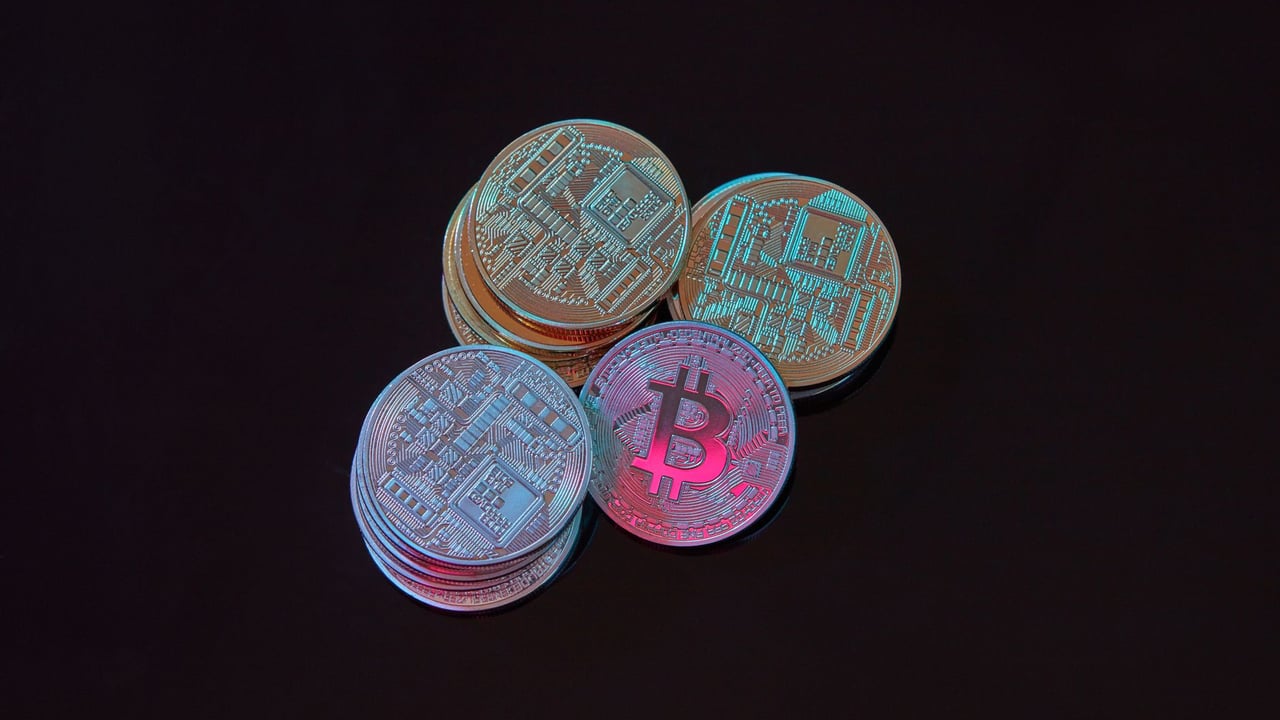

Bitcoin climbed past the $67,000 mark on June 15, 2026, marking a significant psychological victory for bulls in a market increasingly defined by geopolitical volatility and technological integration. The 1.91% intraday gain reflects a broader resilience in the cryptocurrency sector, even as traditional markets grapple with shifting energy prices and evolving diplomatic relations between the United States and Iran. This price movement suggests that institutional appetite for digital gold remains robust despite a complex global economic backdrop.
The surge coincides with several high-stakes developments across the Asian financial landscape. While domestic Chinese regulators continue to issue stern warnings against the use of offshore platforms like OKX, the underlying demand for decentralized assets persists within the region. This tension between state-led restriction and market-led innovation is further complicated by the emergence of next-generation financial tools, such as Ant Group’s rumored AI-driven Alipay, which aims to automate wealth management and fund selection.
Market analysts point to a cooling of geopolitical tensions as a possible catalyst for this latest rally. With reports of a memorandum of understanding between Washington and Tehran, and a subsequent 5% drop in WTI crude oil prices, investors appear to be pivoting toward risk-on assets. Bitcoin’s ability to capture this capital flight underscores its maturing role in the global portfolio, transitioning from a niche speculative tool to a central fixture of the modern financial system.
However, the path forward remains fraught with regulatory hurdles. Local law enforcement agencies in China have intensified their messaging, warning that virtual currency transactions not only lack legal protection but may also inadvertently facilitate money laundering. As Bitcoin nears the $70,000 resistance level, the interaction between decentralized liquidity and centralized oversight will likely dictate the next phase of the market cycle.