
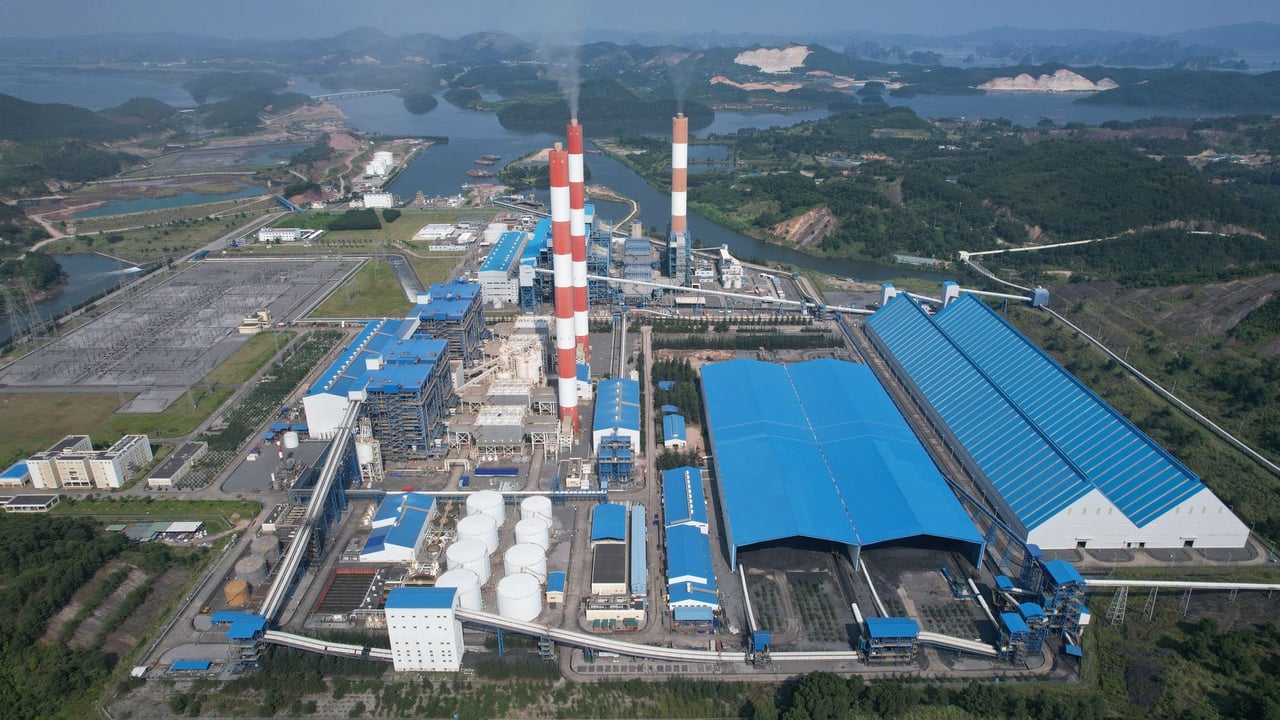

The industrial heartbeat of Yunnan’s coal country is slowing as Shizhong Coal & Coke Chemical, a major subsidiary of the state-linked Yunnan Coal & Energy, prepares to extinguish its furnaces. The company announced a full 'economic shutdown' of its production facilities this week, a move triggered by a crippling price inversion where the cost of raw materials now exceeds the market value of the finished coke. This suspension is not merely a temporary hiccup but a desperate survival tactic aimed at stemming a tide of red ink that has already consumed hundreds of millions of yuan.
The financial wreckage at Shizhong is a stark reflection of the broader malaise affecting China’s heavy industry. The subsidiary reported a net loss of 216 million RMB in 2025, followed by an additional 78.56 million RMB loss in the first quarter of 2026 alone. Despite its annual capacity of 980,000 tons, the facility has become a liability, squeezed between high upstream coal prices and a downstream steel sector that is no longer hungry for its output. By idling its two massive TJP5550D-type coke ovens, the company is choosing the silence of dormancy over the cost of continued operation.
This retreat is part of a larger, more painful contraction for the parent firm, Yunnan Coal & Energy. The listed group has been reeling from consecutive years of massive losses, totaling over 1.1 billion RMB across 2024 and 2025. While revenue showed a slight uptick earlier this year, it has proven insufficient to cover the surging costs of production and the massive debt load tied to its subsidiary. The parent company’s exposure to Shizhong—including equity, debt, and guarantees—stands at a staggering 1.77 billion RMB, making the shutdown a critical move to protect what remains of the group's balance sheet.
The crisis in the coking sector is inextricably linked to the structural transition of the Chinese economy. As the property sector remains in a prolonged slump and the government pushes for 'quality-based' growth in steelmaking, the demand for traditional industrial commodities has plateaued. This has left producers like Shizhong caught in a structural trap: they face the rigid costs of a commodity-based business model in an environment where overcapacity is the new normal and pricing power has evaporated.