
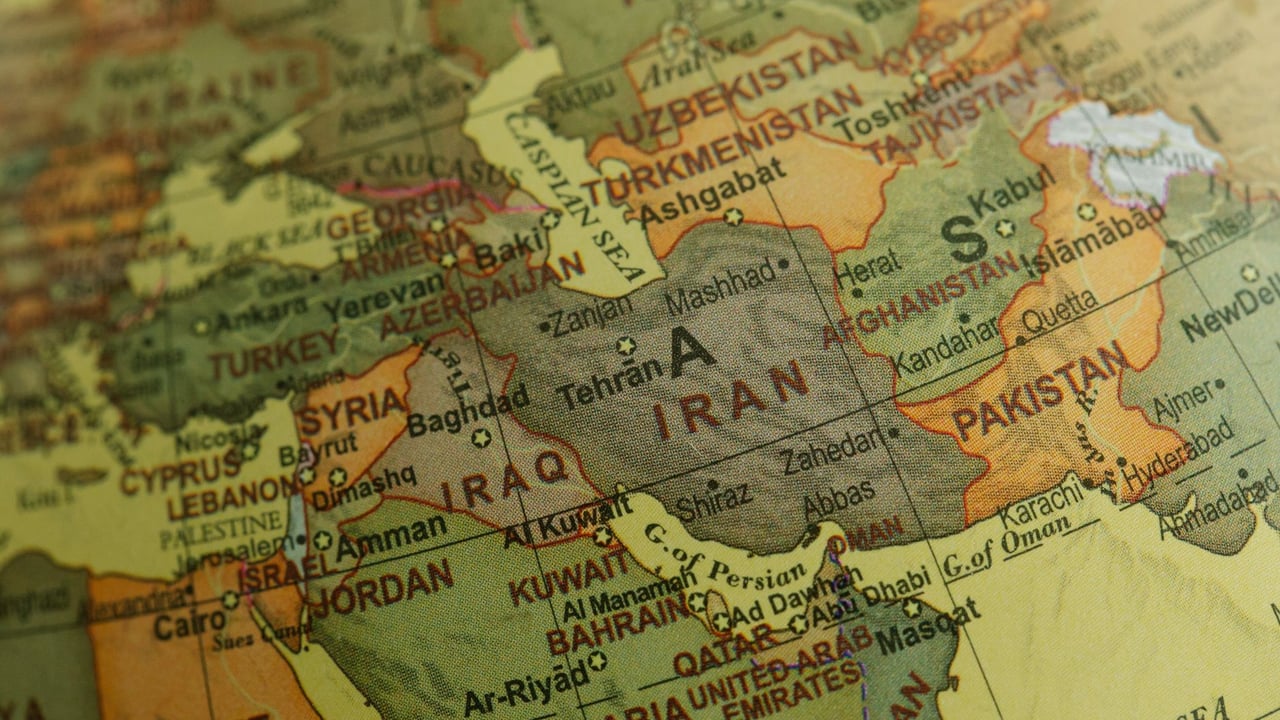

The announcement of a comprehensive agreement between Washington and Tehran marks a watershed moment in Middle Eastern diplomacy, potentially ending decades of brinkmanship. While the specific terms remain under close scrutiny, the deal signals a strategic pivot by the United States toward long-term regional stabilization and a shift in Iran’s approach to international sanctions. The geopolitical ripples of this accord are already being felt across the 'green belt,' triggering immediate responses from key regional players who have long been caught in the crossfire of this adversarial relationship.
Saudi Arabia’s reaction has been characterized by a calculated pragmatism, reflecting Riyadh’s broader 'Vision 2030' goal of fostering a stable economic environment. For the Kingdom, a reduction in regional tensions is a prerequisite for the massive foreign investment required for its domestic transformation. By acknowledging the agreement, Riyadh signals that it may prefer a managed diplomatic solution over the perpetual threat of proxy warfare, provided its own security guarantees are maintained.
In Lebanon and Pakistan, the news has been met with a mixture of relief and cautious optimism. For Beirut, an easing of US-Iran tensions could potentially alleviate the political paralysis and economic freefall that have plagued the country, given the significant influence of Iranian-backed entities within its borders. Meanwhile, Islamabad views the accord as an opportunity to revive long-stalled energy projects and stabilize its western frontier, which has frequently been destabilized by the fallout of regional power struggles.
This diplomatic breakthrough also underscores a broader shift in global mediation, where traditional Western influence is increasingly intersected by regional interests and the quiet diplomacy of non-Western powers. The fact that Beijing-based outlets are highlighting these regional voices suggests a narrative of 'collective security' that challenges the old binary of US-led containment. As the details of the agreement are implemented, the focus will shift from the signature on the page to the durability of the peace it promises.