

Jinggangshan, long revered as the 'cradle of the Chinese revolution,' is undergoing a profound transformation that extends far beyond its historical symbolism. Once a remote and impoverished highland, this 'Revolutionary Old Area' is now serving as a primary case study for Beijing’s ‘Rural Vitalization’ and 'High-Quality Development' strategies. By pivoting from subsistence farming to sophisticated brand management and high-tech manufacturing, the region is attempting to prove that ideological heritage can coexist with—and even fuel—modern market success.
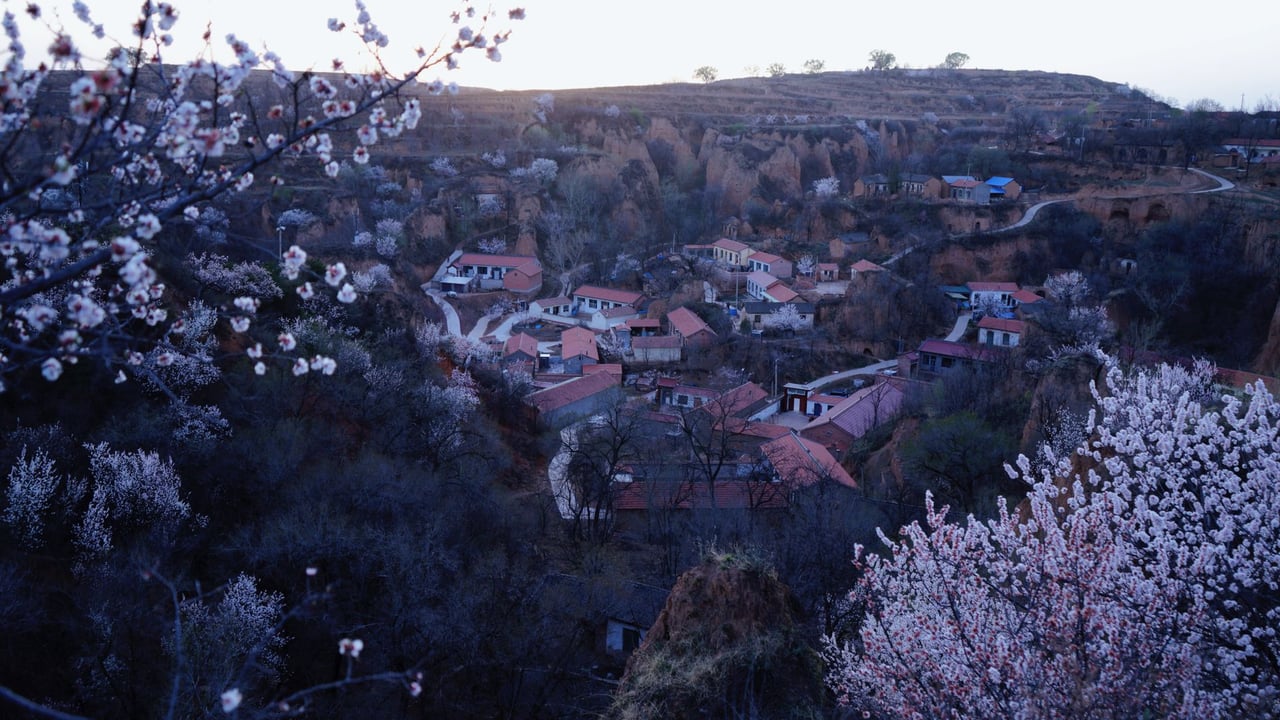
In Shenshan Village, the change is visceral. A decade ago, the settlement was a 'hollow village' with fewer than 30 permanent residents; today, it is a 'red tourism' destination hosting over 300,000 visitors annually. The economic structure has shifted from individual survival to a collective shareholder model, where 80% of residents are involved in the tourism value chain. This localized success has seen per capita incomes leap from 3,000 RMB to 36,000 RMB, illustrating a successful transition to a services-oriented local economy.
Beyond tourism, the regional government has institutionalized the 'Jinggangshan' name as a high-end agricultural brand. By consolidating fragmented smallholder farms under a unified regional public brand, the area has moved from 'selling by the pound' in wet markets to 'selling by the piece' in premium supermarkets like Hema Fresh and Olé. This standardization has opened international corridors, with local peaches and bamboo shoots now reaching markets in the United Kingdom, France, and Canada, generating 1.4 billion RMB in sales by 2025.
The most surprising facet of this evolution, however, is the industrial pivot occurring in the nearby Ji'an Economic and Technological Development Zone. The region has cultivated an electronic information cluster that produces high-end printed circuit boards (PCBs) for global giants including Huawei, Intel, and Siemens. This leap into the global semiconductor and communications supply chain marks a departure from traditional 'old area' economics, signaling a move toward project-led, digitized industrial clusters.
Economic data reflects this broadening trajectory, with Jinggangshan’s GDP more than doubling between 2016 and 2025. The digital economy is no longer a peripheral contributor but a core driver of growth, accounting for over 1.5 billion RMB in core industry revenue. As the region integrates further into global supply chains, it serves as a domestic benchmark for how China’s interior can bypass traditional industrialization phases to embrace high-tech and high-value service sectors.