
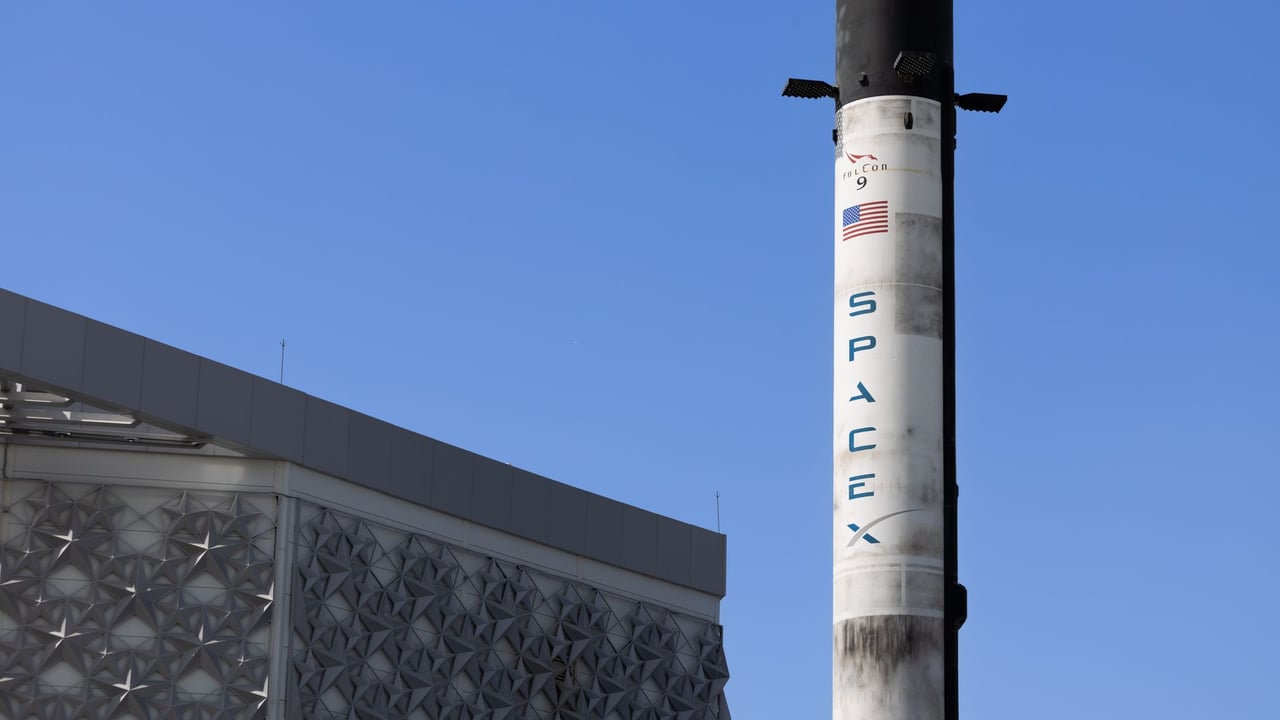

The era of private space exploration has definitively transitioned into a new phase of public market dominance. Following its highly anticipated debut, SpaceX shares surged nearly 20% on their second day of trading, pushing the company’s market capitalization to a staggering $2.49 trillion. This valuation effectively cements Elon Musk’s aerospace venture as one of the most valuable enterprises on the planet, rivaling the peak valuations of established tech giants.
The sheer scale of the offering has rewritten the record books of global finance. With underwriters fully exercising their over-allotment options, or 'greenshoe' rights, SpaceX raised a total of $85.7 billion. This figure dwarfs the previous record held by the 2019 Saudi Aramco IPO, which raised roughly $294 billion. The move signifies a massive pivot in investor sentiment, as global capital migrates from traditional energy sectors toward the burgeoning frontier of the space economy.
Trading at roughly $192.47 per share, the stock has already climbed more than 40% above its initial offering price of $135. Analysts attribute this explosive momentum to the dual-threat nature of SpaceX’s business model: its unrivaled heavy-lift launch capabilities and the rapidly expanding Starlink satellite constellation. Unlike many tech IPOs that struggle with path-to-profitability narratives, SpaceX entered the public market with a proven track record of hardware execution and a near-monopoly on Western satellite launches.
This public debut also reshapes the strategic landscape for the global aerospace and defense industries. With a war chest of over $80 billion in fresh capital, SpaceX is now positioned to accelerate its ambitious Mars colonization plans and the iterative development of Starship. For the broader market, the successful listing serves as a bellwether for the 'hard tech' sector, suggesting that investors are willing to pay an unprecedented premium for generational breakthroughs that offer tangible orbital infrastructure.