
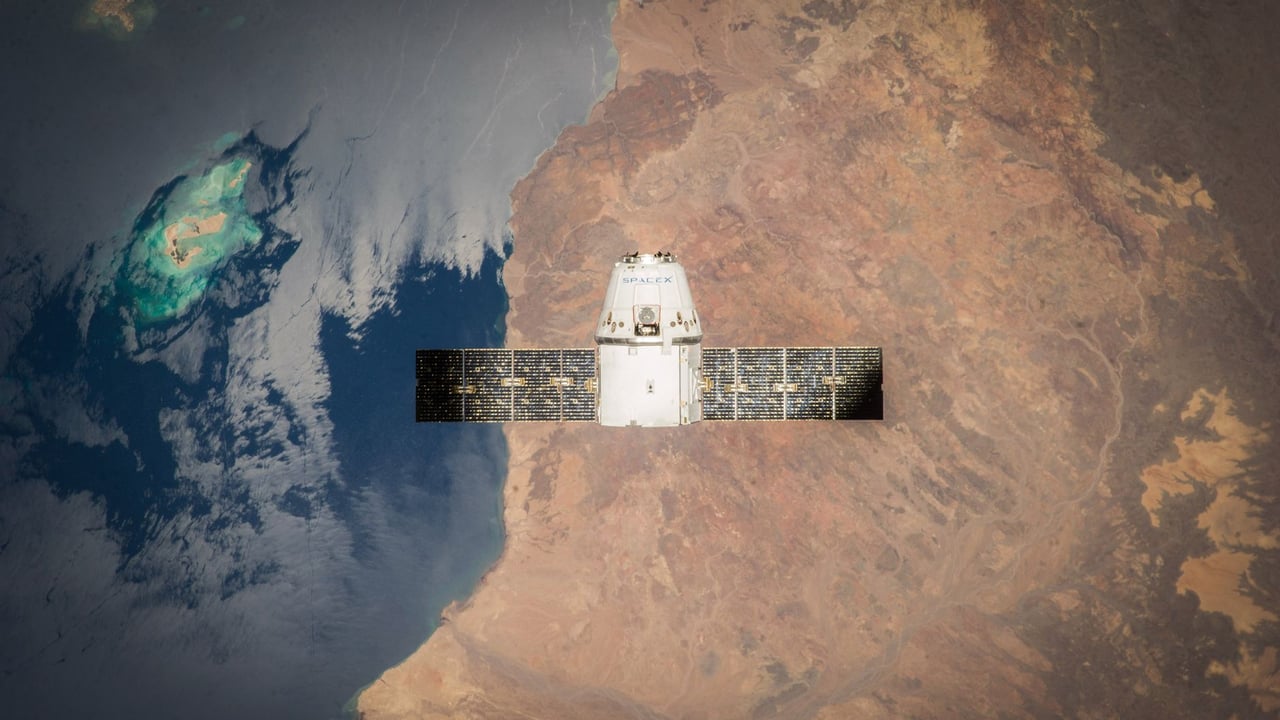

The global race for extraterrestrial and digital dominance reached a fever pitch this week as SpaceX’s valuation catapulted to an unprecedented $2.52 trillion following a nearly 20% surge in its stock price. This milestone, which places the aerospace giant in the same league as the world’s most valuable technology titans, reflects a market betting heavily on the long-term utility of Starlink and the commercialization of deep space. While Western capital markets reward SpaceX’s scale, China is doubling down on a different strategy: the radical democratization of space hardware through aggressive cost-cutting.
In a move that signals a potential 'Model T' moment for the satellite industry, researchers at the China Aerospace Science and Technology Corporation (CASC) announced a breakthrough in metasurface electromagnetic regulation technology. By successfully industrializing this core 6G and LEO satellite component, the team has reportedly reduced the production cost of high-end satellite communication and millimeter-wave terminals from over 10,000 RMB to just 1,000 RMB. This 90% reduction in price could prove to be the catalyst for the mass adoption of satellite internet, challenging the current economic barriers of terrestrial-to-satellite connectivity.
Simultaneously, the broader tech ecosystem is grappling with the physical limits of the AI revolution. From electronic specialty gases—the 'blood' of the semiconductor industry—to high-performance copper foil used in AI servers, the supply chain is signaling acute distress. Manufacturers report that orders for specialized copper foil are now backlogged through the second half of 2027, driven by the insatiable demand from firms like Nvidia and Huawei. This bottleneck is further exacerbated by a prolonged shortage of Multi-Layer Ceramic Capacitors (MLCCs), with industry experts warning that the deficit could persist for several years as AI-focused production lines squeeze out traditional consumer electronics capacity.
China’s internal push for 'technological self-reliance' is also bearing fruit in heavy industry, where Shanghai Electric has successfully deployed its first domestically developed control system for heavy-duty gas turbines. By utilizing Chinese-made chips and proprietary software, the project aims to insulate the nation’s energy security from Western export controls. As the global economy pivots toward AI-driven industry and satellite-based connectivity, the divide between the high-valuation dominance of American firms and the cost-efficiency and supply-chain integration of Chinese players is becoming the defining feature of the mid-2020s tech landscape.