
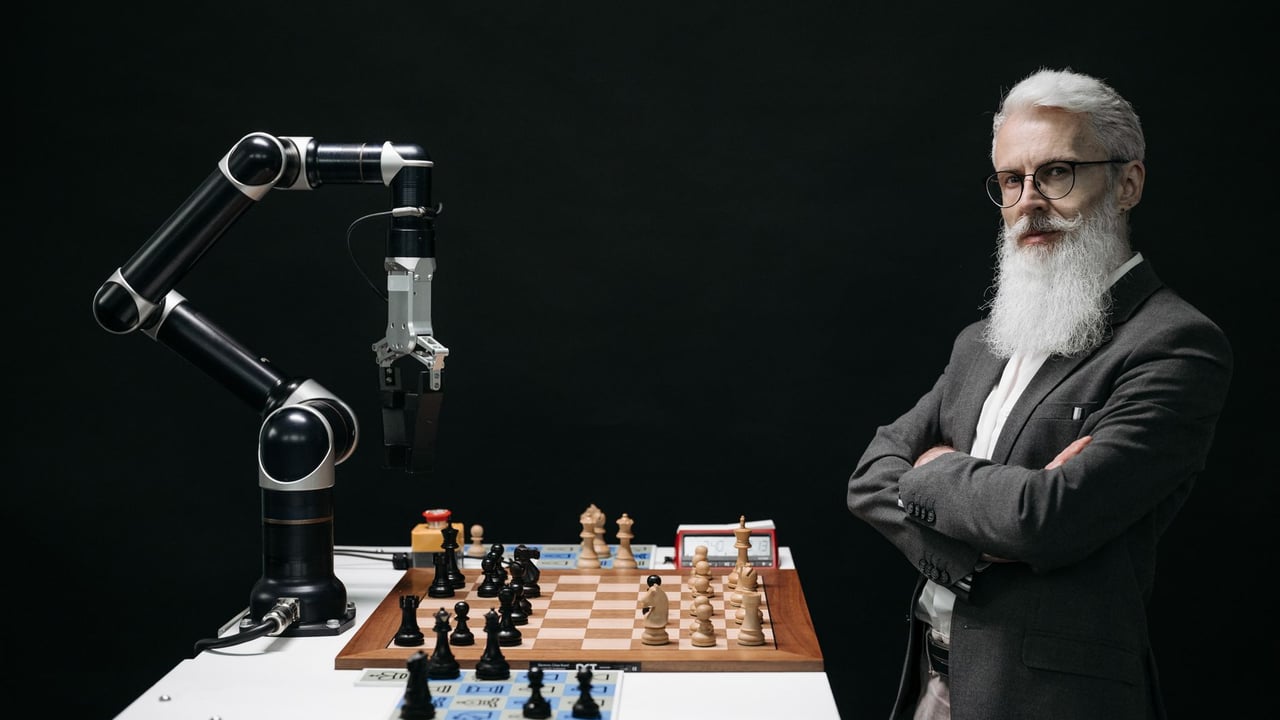

The global gaming sector is standing at the precipice of a structural transformation, moving away from a traditional 'content-heavy' industrial model toward what analysts are calling 'intelligent interaction.' A recent research report from Huatai Securities suggests that generative artificial intelligence is no longer just a peripheral tool but the primary engine driving a new evolution in how digital entertainment is produced and consumed. This shift marks the end of an era defined by sheer volume of handcrafted assets and the beginning of a more dynamic, cost-effective paradigm.
The most immediate impact of this transition is the industrialization of research and development. By integrating AI across the entire production pipeline, leading developers are achieving significant efficiency gains that slash the ballooning costs of high-fidelity game creation. For China’s tech giants, who have long wrestled with the rising price of engineering talent, AI offers a way to maintain high production values while protecting margins in an increasingly competitive domestic market.
Beyond mere cost-cutting, the emergence of 'AI-native' gameplay is poised to disrupt traditional monetization models. Unlike static environments where players follow pre-determined scripts, AI-driven games allow for emergent behavior and personalized narratives that respond to user input in real-time. This level of agency creates new opportunities for engagement and digital commerce, as players become more invested in worlds that evolve specifically around their unique actions.
Finally, the lowering of technical barriers to entry is expected to flood the market with new content, placing a premium on distribution and global scale. As development becomes more accessible, the strategic advantage will shift toward companies that possess robust global publishing networks and advanced AI-enabled infrastructure. In this new landscape, the ability to curate and deliver these intelligent experiences to a worldwide audience will distinguish the market leaders from the laggards.