China’s Property Market Finds a Floor in Mega-Cities as Tier-One Prices Rebound

China's first-tier cities saw a modest rebound in home prices in May 2026, even as smaller cities continued to face downward pressure. While year-on-year declines are narrowing nationally, the data suggests a permanent divergence between elite urban markets and the struggling provincial interior.

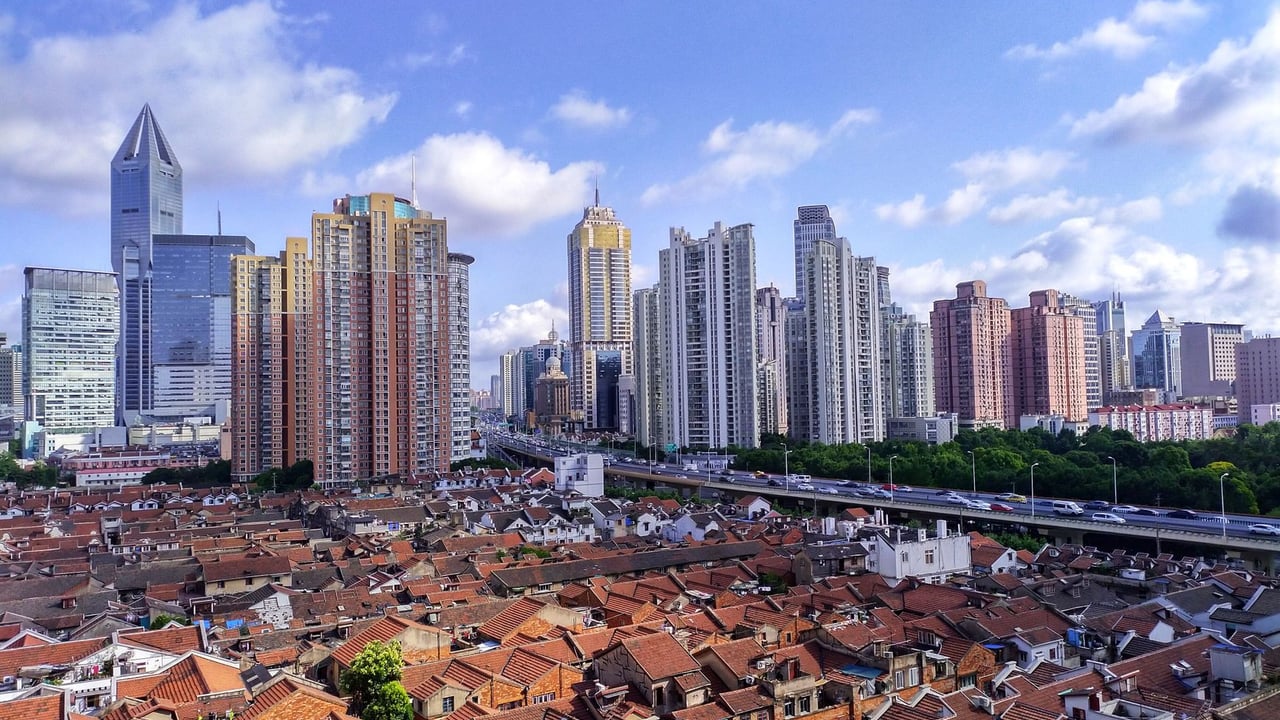
A vibrant view of Shanghai's skyline juxtaposed with traditional housing under a bright blue sky.

Key Takeaways

  • 1New home prices in first-tier cities rose 0.2% month-on-month, led by gains in Shenzhen and Shanghai.
  • 2Secondary market prices in major hubs also grew by 0.4%, indicating a return of buyer confidence in premium locations.
  • 3Third-tier cities saw a price decline of 0.4%, reflecting persistent weakness in lower-tier property markets.
  • 4The year-on-year decline for new homes in first-tier cities narrowed by 0.4 percentage points to -1.7%.
  • 5Shanghai remains the national outlier, with new home prices surging 3.2% compared to the previous year.

Editor's
Desk

Strategic Analysis

The May 2026 data confirms a 'K-shaped' recovery in Chinese real estate. Capital and confidence are fleeing the oversupplied hinterlands and concentrating in 'safe-haven' assets within the top-tier metros. This flight to quality is being supported by recent government 'buy-back' schemes for unsold inventory and the lifting of nearly all purchase restrictions in major hubs. However, the macro-risk has not vanished; it has merely shifted. The central challenge for Beijing is now preventing the continued stagnation of lower-tier cities from dragging down the fragile wealth effect that the tier-one rebound is attempting to rebuild. Investors should view the current stability in Shanghai and Shenzhen as a localized success rather than a nationwide turning point.

China Daily Brief Editorial
Strategic Insight
China Daily Brief

Data from China’s National Bureau of Statistics for May 2026 reveals a localized stabilization in the nation’s long-suffering real estate sector. While the broader market continues to grapple with a multi-year downturn, first-tier cities—Beijing, Shanghai, Guangzhou, and Shenzhen—are showing signs of a tentative recovery. New home prices in these primary hubs rose by an average of 0.2% month-on-month, signaling that aggressive policy easing is finally gaining traction in the country’s most resilient markets.

Shanghai and Shenzhen emerged as the clear leaders in this recovery, with Shenzhen posting a notable 0.4% monthly increase in new home prices. Even the secondary market, which is often a more accurate barometer of consumer sentiment, saw a 0.4% rise across first-tier cities. This uptick suggests that the psychological floor for property values may have finally been reached in the urban centers that drive the lion's share of China's economic activity.

However, the data paints a starkly different picture for the rest of the country. Second and third-tier cities continued to see prices slide, with third-tier cities experiencing a 0.4% monthly drop, a slight acceleration in decline compared to the previous month. This divergence highlights a widening gap between China’s elite urban zones and the hundreds of smaller cities where high inventory levels and weakening demographics continue to weigh heavily on demand.

Year-on-year figures offer a glimmer of hope that the worst of the freefall has passed, as the overall pace of decline in sale prices began to narrow in May. Beijing, Guangzhou, and Shenzhen still saw significant annual drops between 2.1% and 4.5%, but these figures represent a moderation of previous trends. As the central government continues to urge local authorities to clear housing inventory, the focus is shifting from survival to managed stabilization in the high-stakes real estate game.

Share Article

Related Articles

📰
No related articles found