
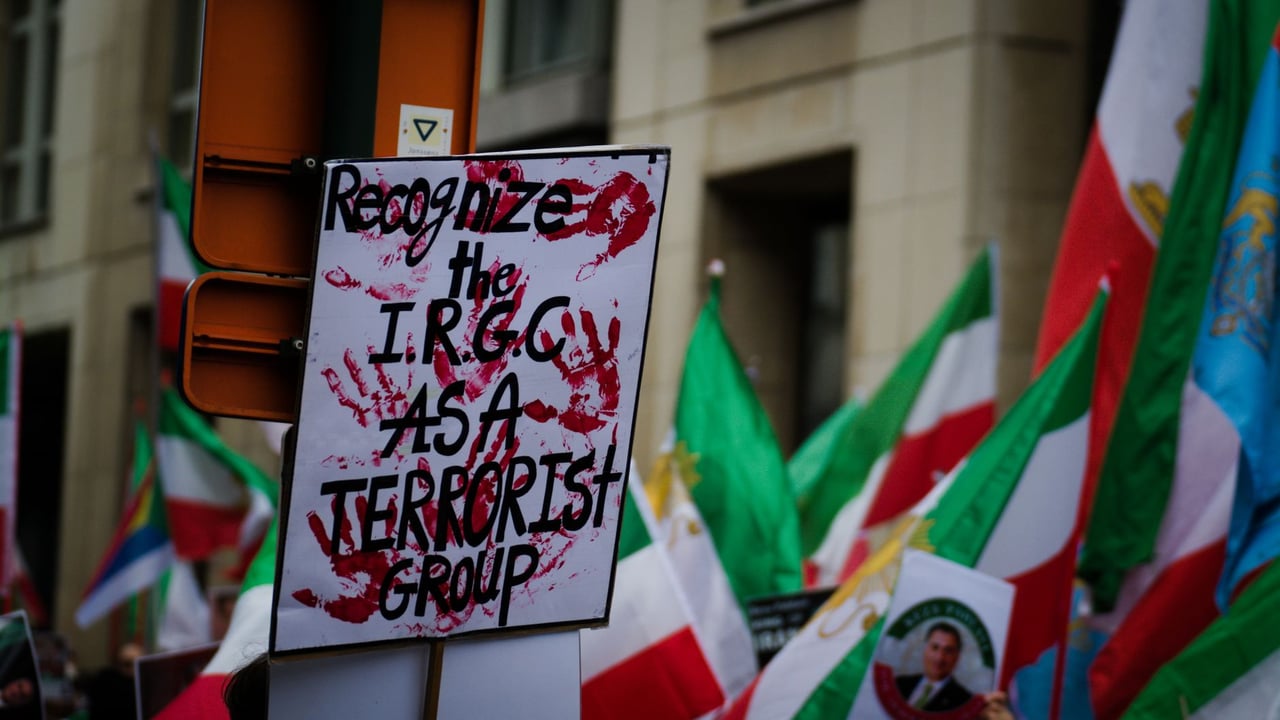

Decades of coordinated US and Israeli efforts to contain the Islamic Republic have resulted in a strategic paradox. Rather than collapsing under the weight of 'maximum pressure' or decapitation strikes, the Iranian regime has undergone a profound metamorphosis. This evolution has birthed what analysts now call 'Iran 3.0'—a state defined not by the cautious deliberations of its clerical elite, but by the aggressive, military-first posture of the Islamic Revolutionary Guard Corps (IRGC).
This shift is largely a response to the vacuum left by the systematic elimination of traditional conservative and moderate figures. As Israeli operations and American sanctions targeted the old guard, a younger, more bellicose generation of IRGC commanders stepped into the breach. This new leadership has effectively marginalized the traditional religious establishment, securing an iron grip on both domestic policy and the selection of the nation's future trajectory.
Tehran’s geopolitical behavior has become noticeably more proactive and risk-tolerant. The recent direct missile exchanges with Israel, which would have been considered unthinkable under the older, more risk-averse leadership, signal a departure from the doctrine of 'strategic patience.' The current military-political complex in Tehran views the baptism of fire not as a deterrent, but as a validation of their strength and a necessary cost for regional hegemony.
On the economic and nuclear fronts, the 'Iran 3.0' era presents a more rigid negotiating partner. While there is a clear desire to lift sanctions and restore oil exports, the new guard views the nuclear program as an existential insurance policy rather than a bargaining chip. Any future diplomatic engagement will likely find a Tehran that is willing to accept economic hardship in exchange for maintaining its threshold nuclear capabilities and technical infrastructure.
The strategic importance of the Strait of Hormuz has also been re-emphasized as a primary lever of global influence. By projecting power over this vital maritime artery, Iran's new leadership understands it can hold the global economy hostage during times of crisis. This increased confidence in their military deterrence suggests that the era of Western-led regime change or easy containment is over, replaced by a far more volatile and entrenched reality.