

The Chinese equity market experienced a day of stark contrasts on June 16, 2026, as the tech-heavy ChiNext index surged, closing up 1.72% even as the traditional Shanghai Composite slipped into the red. This divergence underscores a significant structural rotation into the technology supply chain, with investors specifically targeting domestic hardware components essential for the global artificial intelligence infrastructure. At one point during the session, the ChiNext had climbed as much as 2.5%, reflecting a high-octane speculative appetite that eventually cooled but remained dominant.
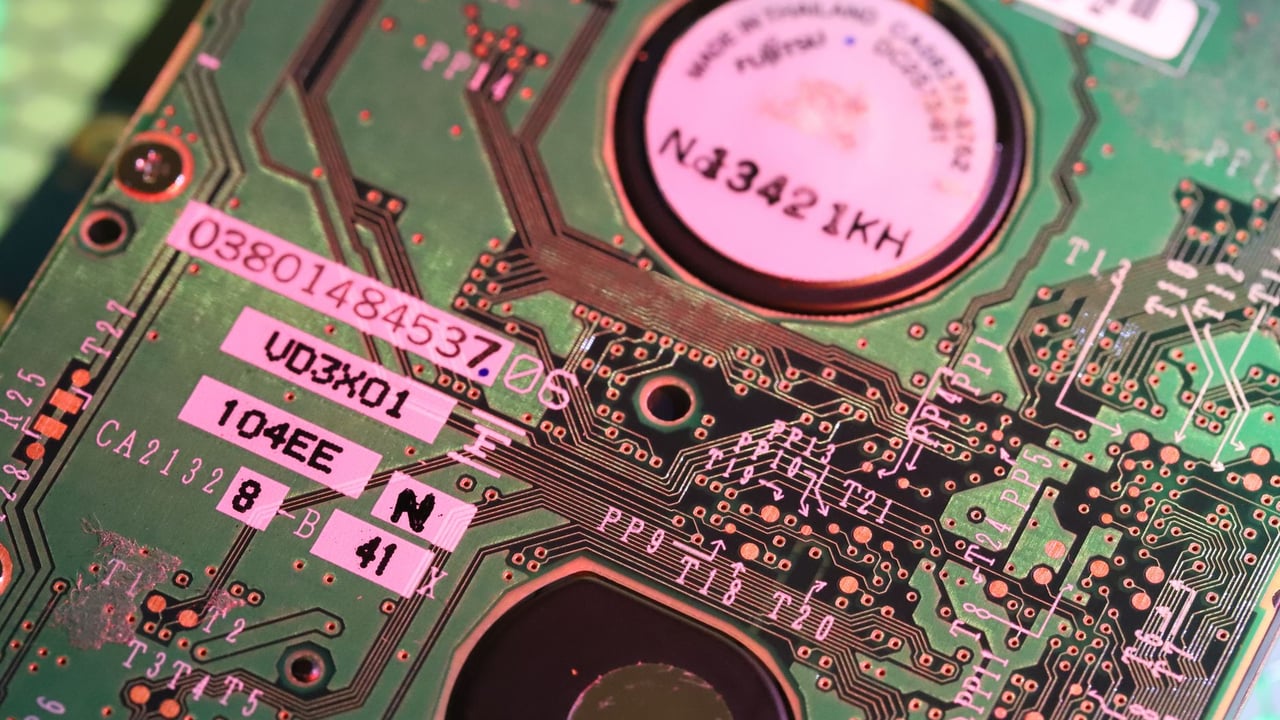
At the heart of the rally was a massive breakout in Printed Circuit Board (PCB) concept stocks. More than ten companies in this sector hit their daily price limits, with leaders like Huazheng New Material and Nord Investment maintaining strong momentum. The enthusiasm spilled over into power equipment and optical communications, where太辰光 (Tachington) hit all-time highs. This wave of buying suggests that the market is increasingly decoupling from broader macroeconomic concerns to focus on a high-growth, technology-driven narrative that mirrors similar trends in international markets.
Perhaps most notable for global analysts was the sheer scale of liquidity flooding the trading floor. Total daily turnover across the Shanghai and Shenzhen exchanges reached a staggering 3.06 trillion yuan, representing a surge in volume that indicates a frenetic level of participation. While this liquidity provides a floor for prices, it also highlights the return of retail volatility, as evidenced by more than 2,700 stocks advancing while more traditional sectors, such as shipping and ports, faced a sharp retracement.
While growth stocks sizzled, the broader index's failure to maintain its highs points to a selective, rather than universal, bull run. Traditional energy and shipping giants, like COSCO Shipping Energy, suffered as capital rotated into more volatile electronic plays. This 'K-shaped' recovery within the equity market suggests that while the 'Hard Tech' theme is thriving, the old economy remains tethered to global trade uncertainties and logistical adjustments, creating a complex environment for institutional investors seeking balanced exposure.