Arctic Gambit: Tokyo Pivots to Greenland as China’s Rare Earth Grip Tightens

Japan is sending a delegation of experts to Greenland to explore rare earth mining opportunities as a direct response to China's tightening export controls. This move signifies Tokyo's strategic shift toward diversifying its critical mineral supply chain and reducing its long-standing dependency on Chinese processing and production.

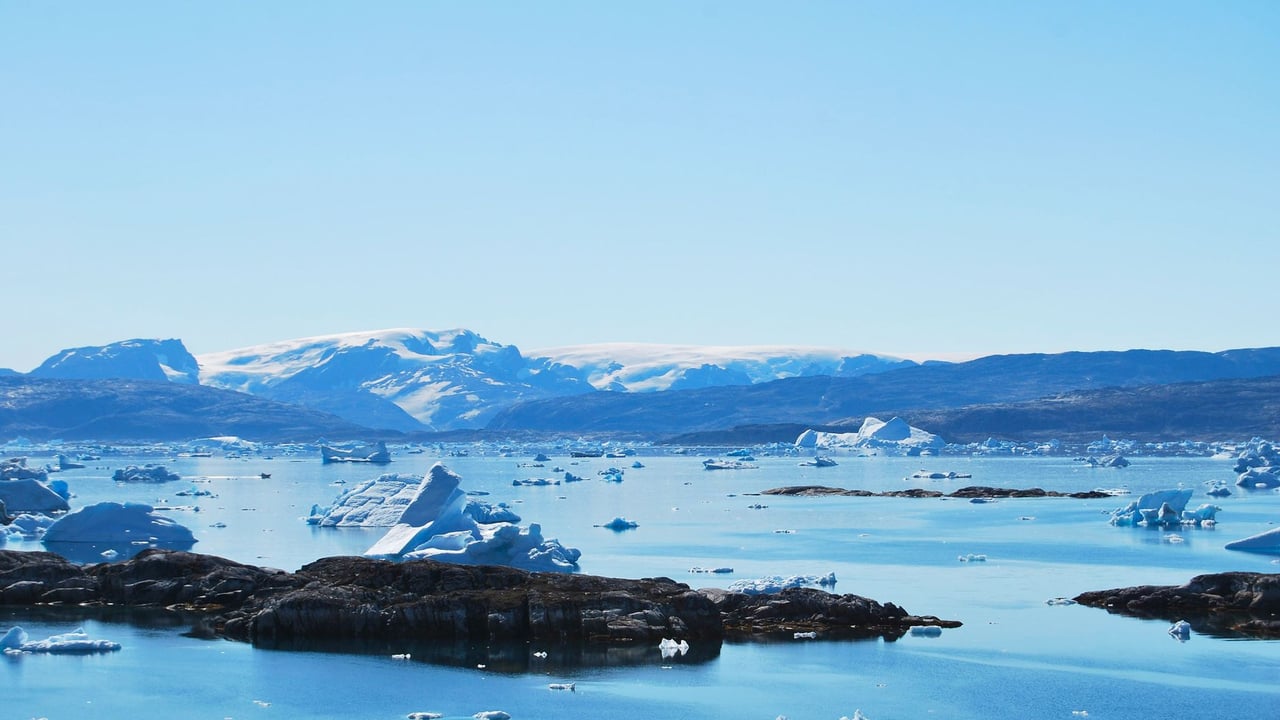
A breathtaking view of icebergs floating in a tranquil sea with distant snow-capped mountains, captured in Greenland.

Key Takeaways

  • 1Japan is deploying mineral experts to Greenland to identify viable rare earth extraction sites.
  • 2The mission is a strategic counter-response to China's restrictive export policies on high-tech materials.
  • 3Greenland is viewed as a critical alternative due to its significant, largely unexploited mineral wealth.
  • 4This initiative aligns with global 'de-risking' strategies aimed at reducing vulnerability to Chinese economic leverage.

Editor's
Desk

Strategic Analysis

The Japanese push into Greenland marks a significant escalation in the 'Resource Cold War.' For decades, China has used its low-cost processing and dominant reserves to maintain a stranglehold on the rare earth market, but Tokyo's latest move suggests that the threshold for economic pain has been reached. Greenland represents one of the few places on earth capable of shifting the global supply equilibrium, yet mining there remains a high-stakes gamble involving complex environmental regulations and Arctic geopolitics. If Japan succeeds in fostering a stable supply chain from the north, it could provide a blueprint for other Western nations to decouple their green-tech ambitions from Beijing's policy whims, though the timeline for such infrastructure projects remains measured in decades rather than years.

China Daily Brief Editorial
Strategic Insight
China Daily Brief

Japan is escalating its efforts to secure critical mineral supplies by dispatching a team of experts to Greenland, a move directly triggered by Beijing’s increasingly restrictive export controls. As the global race for high-tech supremacy intensifies, Tokyo is seeking to break its reliance on Chinese rare earth elements, which are vital for everything from electric vehicle motors to advanced weaponry.

The decision to look toward the Arctic frontier comes as China’s recent tightening of export permits has begun to squeeze international manufacturers. By leveraging its dominant position in the processing and supply of 17 essential minerals, Beijing has effectively weaponized its resource monopoly, forcing industrial powers like Japan to seek urgent alternatives.

Greenland has long been identified as a potential geological goldmine, believed to harbor some of the largest untapped rare earth deposits outside of China. Previous exploration attempts have been fraught with environmental and political sensitivities, but the current geopolitical climate has shifted the cost-benefit analysis in favor of aggressive exploration and development.

This strategic pivot by Japan reflects a broader trend among G7 nations to 'de-risk' their supply chains through diversification and 'friend-shoring' initiatives. By investing in Greenland’s mining potential, Tokyo is not only looking for a secondary source of raw materials but is also attempting to establish a more resilient, Western-aligned framework for the green energy transition.

Share Article

Related Articles

📰
No related articles found