A Pillar Weakened: B-52 Crash at Edwards Air Force Base Threatens U.S. Strategic Modernization

A B-52H Stratofortress crash at Edwards Air Force Base has resulted in the presumed loss of eight crew members and the destruction of a critical modernization testbed. This incident is expected to delay essential radar upgrades and strain the U.S. Air Force's strategic deterrence capabilities during a period of heightened global tensions.

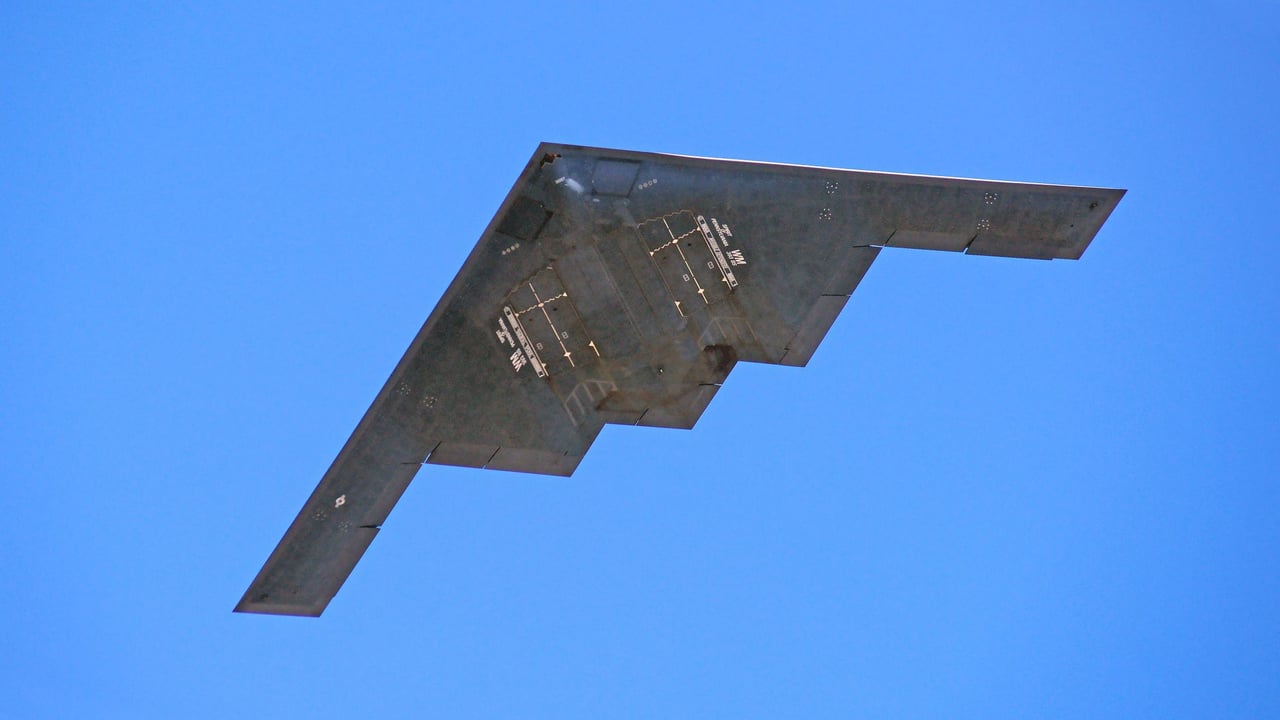
A B-2 stealth bomber from the US Air Force flying against a clear blue sky.

Key Takeaways

  • 1A B-52H test aircraft crashed shortly after takeoff from Edwards AFB on June 15, 2026.
  • 2All eight crew members on board are presumed dead, marking a major loss of specialized military personnel.
  • 3The destroyed aircraft (60-0061) was a primary test platform for the B-52 modernization and radar upgrade program.
  • 4The incident is expected to cause significant delays in the deployment of updated bomber technologies.
  • 5The loss further strains the U.S. bomber fleet's capacity to maintain presence in multiple global theaters.

Editor's
Desk

Strategic Analysis

The destruction of a dedicated test airframe like 60-0061 is a 'black swan' event for the B-52 modernization roadmap. While the B-52 is intended to serve until the 2050s, its longevity depends entirely on successful engine and electronics overhauls that are currently in high-stakes testing phases. This crash creates a bottleneck in data collection and flight verification that cannot be easily bypassed by using operational bombers. Strategically, this occurs as the U.S. attempts to balance a 'pivot to Asia' with urgent deterrence needs in Eastern Europe, leaving the Air Force with dangerously little margin for error in its heavy bomber inventory.

China Daily Brief Editorial
Strategic Insight
China Daily Brief

The loss of a B-52H Stratofortress shortly after takeoff from Edwards Air Force Base on June 15 marks a somber milestone for the United States Air Force. Preliminary reports suggesting no survivors among the eight crew members indicate this could be the most devastating B-52 incident since the 2016 crash in Guam. Beyond the tragic human cost, the destruction of this specific airframe represents a significant setback for the Pentagon’s long-term aerial strategy.

Airframe 60-0061 was not a standard operational bomber but a specialized test platform assigned to the 412th Test Wing. As a central hub for the B-52 modernization program, this aircraft had recently been equipped with cutting-edge radar systems slated for fleet-wide upgrades by late 2025. The loss of such a unique instrument of development effectively stalls critical testing phases and complicates the transition to the modernized B-52J configuration.

The human capital lost in the crash is equally irreplaceable for the American defense establishment. Training eight specialized test crew members requires years of investment and a high degree of technical proficiency in experimental flight operations. Their absence creates a void in the professional hierarchy of the bomber fleet, potentially slowing the integration of future technologies and tactical refinements.

From a global perspective, the B-52 remains a vital component of the U.S. nuclear triad and a primary tool for conventional power projection. With the Air Force already grappling with a limited number of operational bombers, every hull loss is a blow to strategic readiness. The depletion of these 'strategic anchors' directly impacts the military’s ability to manage simultaneous commitments across the Indo-Pacific, Europe, and the Middle East.

Share Article

Related Articles

📰
No related articles found