

In the complex hierarchy of Chinese urbanism, the ten-million-population threshold serves as a critical marker of prestige and economic viability. As the nation enters a period of demographic stagnation, several major cities—including Nanjing, Jinan, and Wenzhou—have doubled down on ambitious goals to join this elite club by 2030. This push is no longer merely about administrative size; it is a strategic maneuver to secure labor, consumption power, and political leverage in a zero-sum game for human capital.
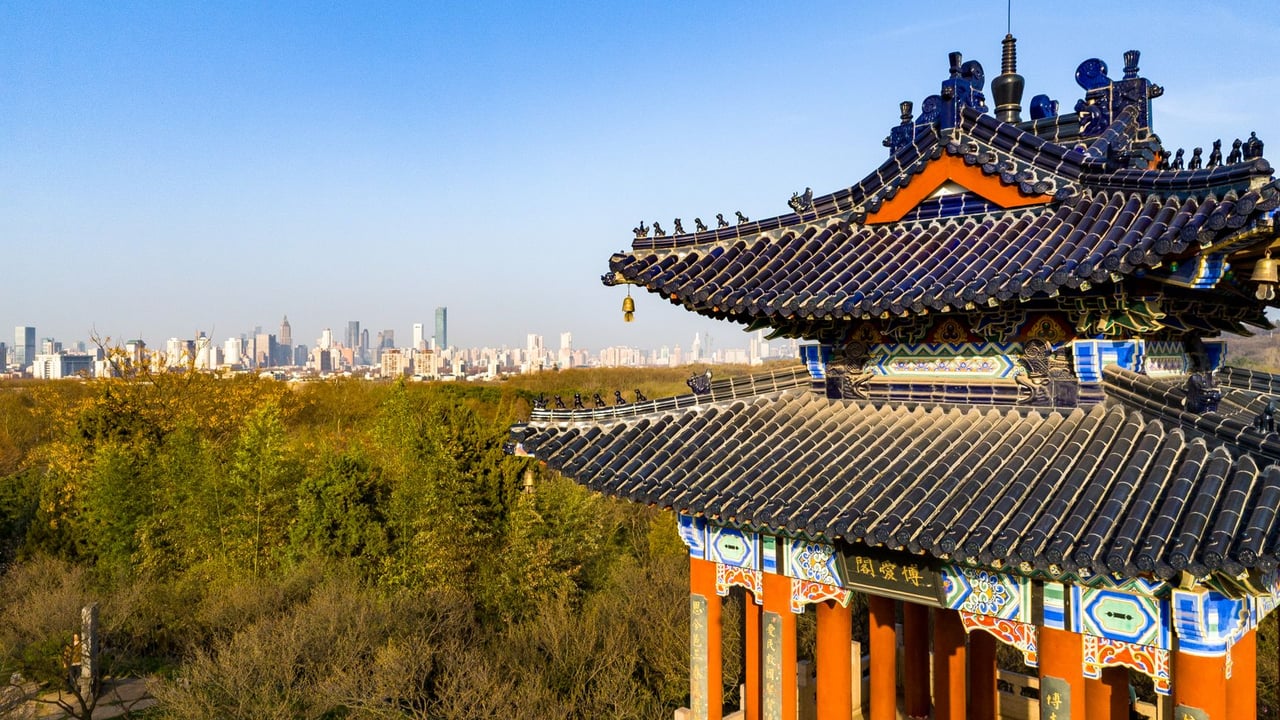
Nanjing stands as the most prominent outlier in this demographic race. Despite ranking among China's top ten cities by GDP, it remains the only member of that group with a population under ten million. Its high per-capita wealth hides a structural vulnerability: an economy historically focused on high-end research and development (R&D) and business-to-business services. While these sectors drive efficiency, they lack the massive labor-absorption capacity found in the manufacturing hubs of the Pearl River Delta.
To bridge this gap, Nanjing has launched a multi-front offensive that includes aggressive talent subsidies and a pivot toward advanced manufacturing. By offering significant housing grants and living allowances to graduates—including vocational workers and delivery drivers—the city is attempting to diversify its social fabric. The goal is to move beyond being a 'science and education city' to becoming an 'industrial powerhouse' capable of hosting a broader range of the economic value chain.
Perhaps most significantly, Nanjing is using infrastructure to transcend administrative boundaries. The expansion of the 'S-line' metropolitan rail network into neighboring Anhui province represents a form of 'subway diplomacy.' By shortening the commute from cities like Ma’anshan and Chuzhou to just 30 minutes, Nanjing is effectively vacuuming up the regional population, positioning itself as the undisputed gravity center of a cross-provincial metropolitan circle.
Other contenders are following different trajectories. Wenzhou is expected to cross the finish line first, needing fewer than 100,000 new residents to hit the mark. Meanwhile, Harbin, a former member of the ten-million club that saw its numbers dwindle due to the broader 'rust belt' decline of Northeast China, is fighting a volatile battle to reclaim its status. For these cities, the coming five years represent a final window of opportunity to consolidate their gains before national population decline sets in more severely.
The competition reveals a fundamental shift in Chinese governance from managing growth to defending market share. In an era where the national demographic dividend has vanished, a city’s ability to reach ten million people is the ultimate litmus test for its industrial relevance and infrastructure efficiency. Those that fail to reach the target during the current 'Fifteenth Five-Year Plan' period risk being sidelined as regional backwaters in an increasingly centralized urban landscape.