Heavy Metal Down: Russian Strategic Bomber Crash Highlights Growing Fleet Attrition

A Russian strategic bomber crashed on June 16, 2026, though the crew was safely rescued. The incident serves as a critical indicator of the technical strain and maintenance deficits currently affecting Russia's long-range aviation capabilities.

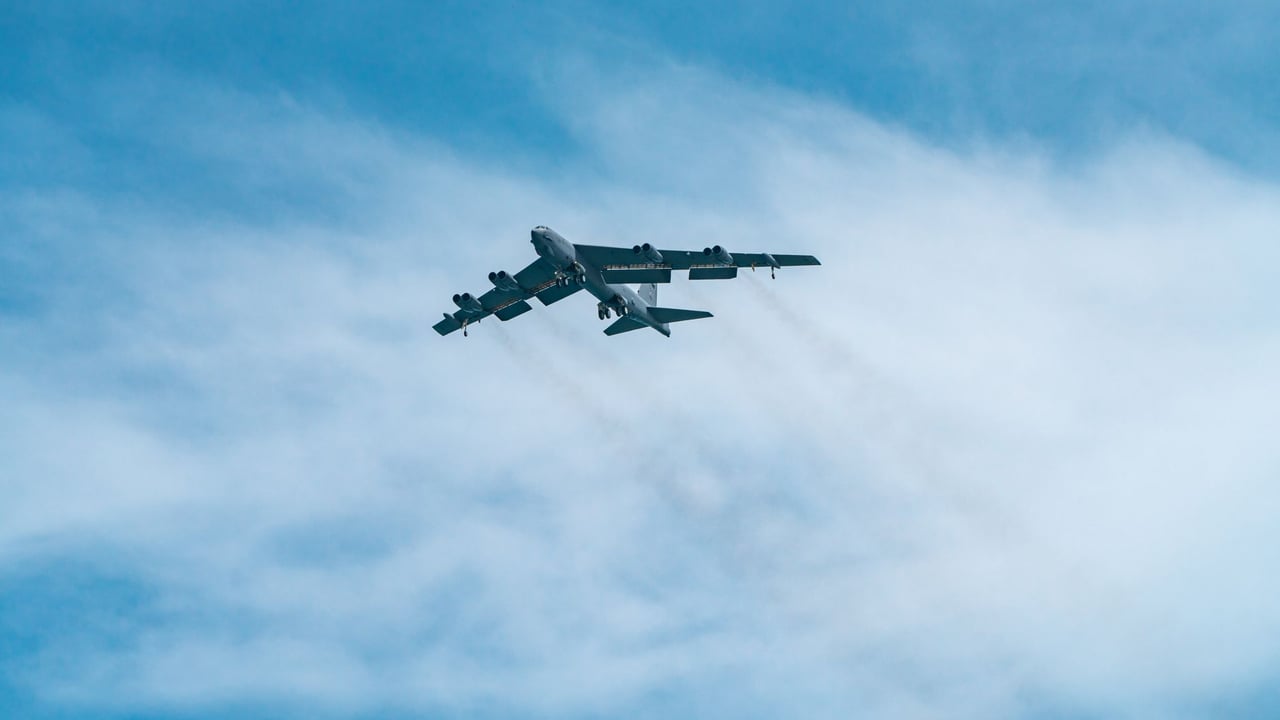
A B-52 Stratofortress aircraft soars through a clear blue sky on a sunny day.

Key Takeaways

  • 1A Russian strategic bomber crashed during an operational flight, with all crew members surviving the incident.
  • 2The loss represents a critical reduction in Russia's long-range strike capacity and nuclear triad assets.
  • 3The crash highlights the impact of high-tempo operations on aging airframes that are difficult to replace.
  • 4Sanctions and supply chain disruptions are likely exacerbating maintenance difficulties for sophisticated Russian military hardware.

Editor's
Desk

Strategic Analysis

The loss of a strategic bomber is a strategic drain that Moscow can ill afford. Unlike tactical fighters, these heavy bombers are essentially irreplaceable in the current economic climate, as Russia’s production lines for new strategic frames are operating at a fraction of Cold War levels. Each airframe lost to technical failure—rather than combat—erodes the psychological and physical weight of Russia’s strategic deterrence. This event signals to global observers that the logistical foundations of the Russian military are fraying, potentially emboldening adversaries who monitor the 'readiness gap' created by cumulative equipment failure and the inability to source high-tech replacement parts.

China Daily Brief Editorial
Strategic Insight
China Daily Brief

On June 16, 2026, a Russian strategic bomber plummeted from the skies, marking yet another high-profile loss for Moscow’s aging long-range aviation division. While the Kremlin confirmed that the crew members were successfully rescued, the loss of the airframe represents a significant blow to a strategic fleet already stretched thin by years of operational intensity and persistent maintenance challenges.

These strategic bombers, which include legacy platforms like the Tu-95 Bear and the supersonic Tu-160, serve as a core component of Russia’s nuclear triad. Beyond their role in nuclear deterrence, these aircraft have been utilized heavily for long-range cruise missile strikes in regional conflicts, leading to a rapid accumulation of flight hours that far outpaces Russia’s capacity for comprehensive overhauls.

The incident raises urgent questions regarding the sustainability of Russian military aviation under the weight of international sanctions. With restricted access to Western-grade precision components and a domestic defense industry hyper-focused on the mass production of lower-end munitions, maintaining the sophisticated avionics and specialized engines of these Cold War-era giants has become an increasingly precarious endeavor.

As the frequency of non-combat losses rises, the gap between Moscow’s projected power and its actual operational readiness continues to widen. For NATO and regional observers, this crash is viewed less as an isolated accident and more as a diagnostic indicator of the systemic fatigue currently plaguing the Russian aerospace forces.

Share Article

Related Articles

📰
No related articles found