
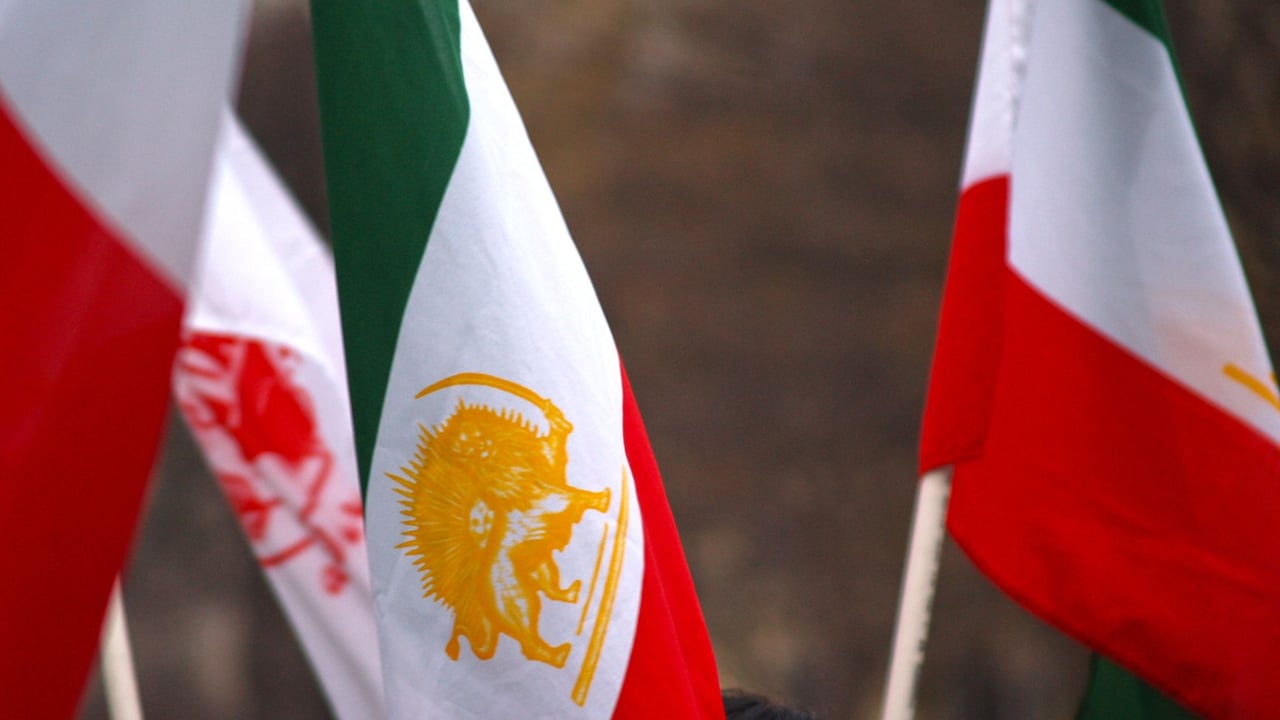

The geopolitical landscape of the Middle East stands at a potential crossroads following reports of a landmark peace agreement between Washington and Tehran. Central to this reported breakthrough is the immediate reopening of the Strait of Hormuz, a vital artery for global energy supplies that has long been a flashpoint for military friction. This sudden shift toward diplomacy comes after months of escalating tensions that many observers feared would lead to a full-scale regional conflagration.
The historical weight of this moment cannot be overstated, as the relationship between the two nations has devolved from close strategic partnership in the 1950s to decades of bitter enmity. Since the 1979 Islamic Revolution and the subsequent hostage crisis, the trust deficit has only deepened, punctuated by the 2018 U.S. withdrawal from the Joint Comprehensive Plan of Action (JCPOA). This new initiative represents an attempt to bypass years of deadlock through a pragmatic, if controversial, exchange of concessions.
Economic exhaustion appears to be the primary driver behind Washington’s willingness to negotiate. Years of military posture in the Gulf have drained resources without achieving a definitive strategic victory, while domestic fatigue over 'forever wars' has reached a tipping point. Furthermore, the inflationary pressure caused by volatile oil prices has become a political liability for the current administration, making a stabilized energy market a domestic necessity ahead of pivotal elections.
Tehran, meanwhile, is negotiating from a position of profound economic distress. Chronic sanctions have crippled the Iranian rial and fueled internal social unrest, forcing the leadership to seek a diplomatic lifeline. By offering increased transparency in its nuclear program, Iran aims to secure the unfreezing of billions in assets and the removal of trade barriers that have isolated its economy from the global financial system for years.
Pakistan has emerged as a surprisingly effective mediator in this process, leveraging its unique geographical position and diplomatic ties with both capitals to provide a neutral venue for dialogue. While the initial Memorandum of Understanding marks a significant step, the path forward remains fraught with peril. Internal opposition in the U.S. Congress and hardline factions in Tehran are expected to challenge any permanent treaty that implies a surrender of core interests.
Regional stakeholders, most notably Israel, remain the 'wild card' in this diplomatic shuffle. Having been excluded from the direct negotiations, Israeli leadership continues to express grave concerns regarding Iran’s regional proxy network and missile capabilities. Without addressing these broader security anxieties, any peace treaty signed today may simply provide a temporary pause before the next cycle of escalation begins.