
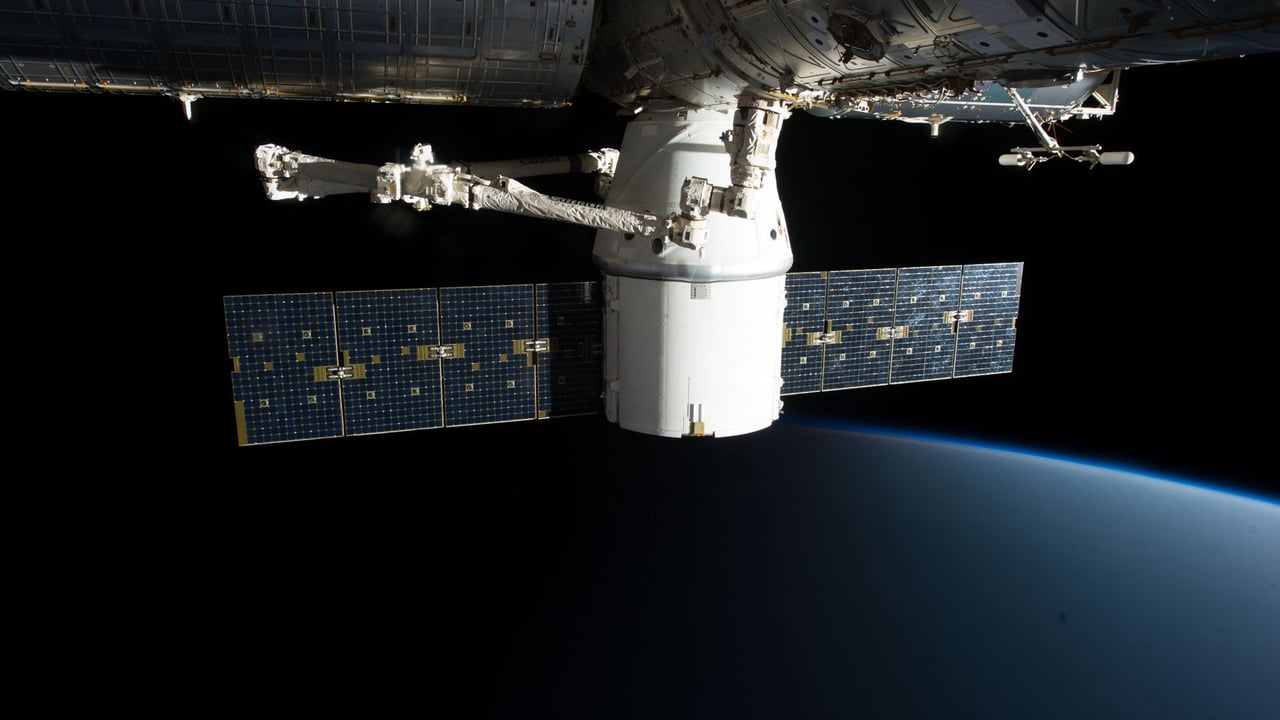

SpaceX’s cargo Dragon spacecraft has successfully undocked from the International Space Station (ISS), beginning its journey back to Earth with a cargo hold full of scientific research and hardware. The spacecraft, which departed the orbiting laboratory at 12:25 PM Eastern Time on June 16, is scheduled to splash down off the coast of California early the following morning. This mission marks another successful iteration of the commercial partnership that has become the logistical lifeblood of the ISS.
While multiple nations and private entities now possess the capability to send supplies up to the station, the Dragon remains a unique asset in the global space fleet due to its ability to return significant amounts of cargo safely to the surface. Unlike Russia’s Progress or Europe’s former ATV craft, which are designed to burn up in the atmosphere upon reentry, the Dragon provides a critical 'return leg' for sensitive experimental samples that require laboratory analysis on the ground.
NASA has confirmed that the returning capsule is carrying results from a variety of microgravity experiments, including biological studies and material science tests that could have implications for both deep-space exploration and terrestrial medicine. The ability to cycle these experiments back to Earth in a timely manner is essential for maintaining the ISS as a functional high-tech laboratory. The splashdown near California allows for rapid recovery and transport of these time-sensitive materials to NASA facilities.
This routine but essential mission underscores the maturity of the American commercial space sector. By outsourcing the 'trucking' of orbital supplies to SpaceX, NASA has been able to focus its internal resources on more ambitious projects, such as the Artemis lunar program. As the ISS nears the end of its projected lifespan in the 2030s, the efficiency of these commercial logistics missions serves as a blueprint for the future of private-sector space stations.