
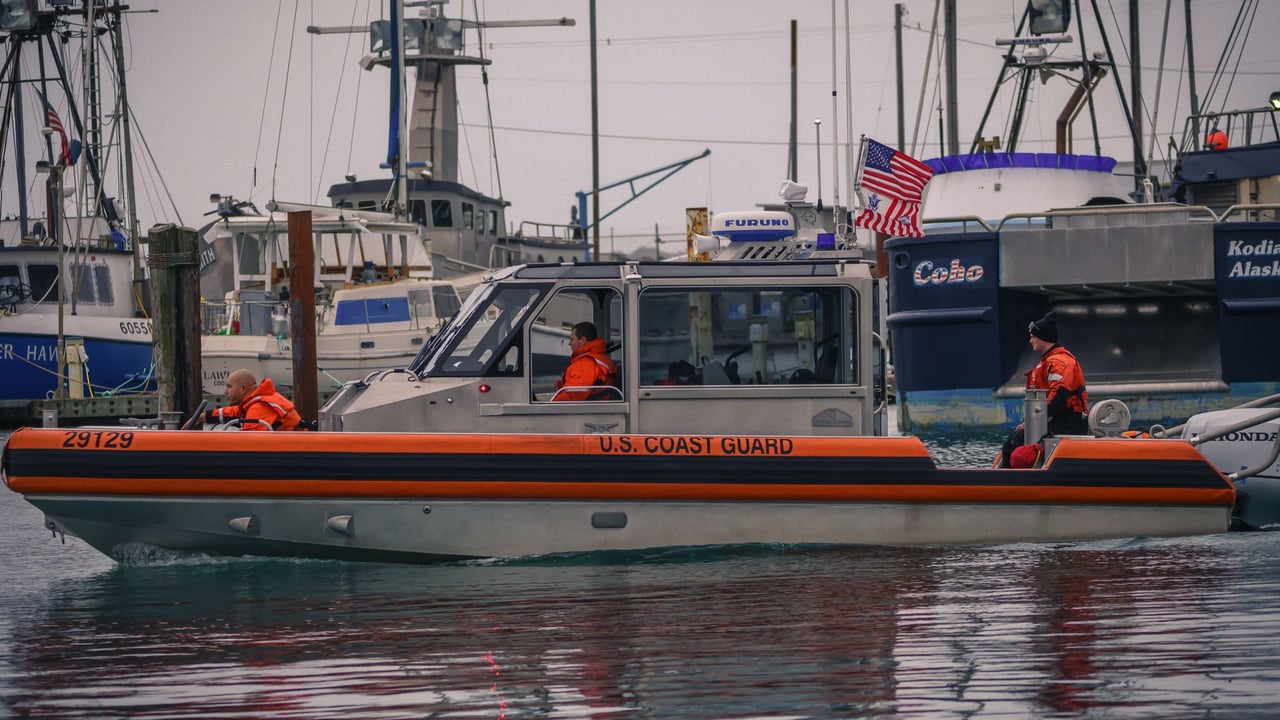

The U.S. Central Command (CENTCOM) has signaled that there will be no early reprieve for Iranian maritime trade, affirming that the naval blockade of Iranian ports will remain in full force until a pending bilateral agreement is officially ratified. This directive, issued on June 15, underscores a period of high-stakes diplomatic friction as both nations approach a critical June 19 deadline for a formal signing. The announcement serves as a calculated display of military leverage during the final countdown to a potential diplomatic breakthrough.
Military officials have been explicit in their warnings to international shipping, stating that vessels should not attempt to traverse the restricted zones until explicit instructions are provided. This "maximum pressure" holdout suggests that Washington is unwilling to relinquish its primary leverage until the ink is dry on the new accord. By maintaining this posture, the U.S. effectively controls the flow of Iranian commerce until the moment the agreement becomes legally binding.
The continuation of the blockade serves as a stark reminder of the fragile nature of Middle Eastern security and the persistent volatility in the Strait of Hormuz. For global energy markets and regional logistics hubs, the four-day window between the announcement and the signing ceremony represents a perilous "gray zone." Any miscommunication or accidental confrontation at sea during this period could jeopardize months of sensitive back-channel negotiations.
While the impending June 19 agreement offers a glimmer of hope for a de-escalation of hostilities, the current U.S. posture reflects a strict "trust but verify" doctrine. By maintaining the blockade up to the final hour, the United States aims to ensure total Iranian compliance with the preliminary terms. This strategy also serves to reassure regional allies that the U.S. remains the primary guarantor of maritime order, even as it moves toward a diplomatic settlement.