A New Axis of Autonomy: France and India Redefine Strategic Sovereignty

Prime Minister Modi's visit to France has culminated in a new strategic roadmap focusing on defense and AI, driven by France's need for new allies after European defense projects stalled. The partnership represents a shared pursuit of strategic autonomy against the backdrop of US tech restrictions and shifting global alliances.

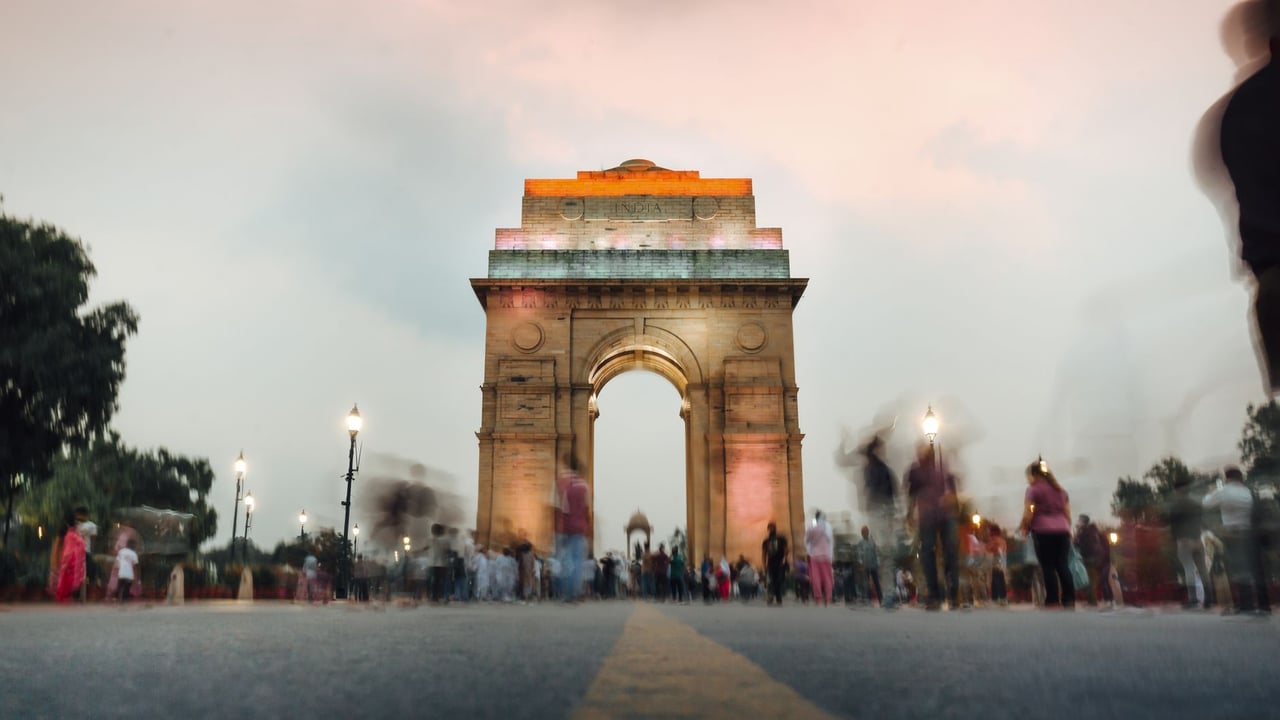
A stunning view of India Gate in New Delhi at sunset with a dynamic crowd.

Key Takeaways

  • 1India and France have established a formal roadmap for trade, defense, and AI cooperation.
  • 2The deal reinforces the Rafale jet program as a centerpiece of bilateral security relations.
  • 3France is pivoting to India following the collapse of joint fighter jet initiatives with Germany.
  • 4The partnership targets AI development to mitigate the impact of US-imposed access restrictions.
  • 5Both nations are leveraging the relationship to enhance their respective 'strategic autonomy' on the global stage.

Editor's
Desk

Strategic Analysis

The convergence of Paris and New Delhi is more than a trade deal; it is a calculated response to the fraying edges of the traditional Western order. For France, India offers a scale of market and military ambition that can sustain French strategic industries as the EU's internal defense cooperation falters. For India, France represents the ideal partner: a Western power that respects sovereignty and is willing to share sensitive technology without the intrusive oversight often demanded by Washington. This 'Special Strategic Partnership' is a blueprint for a multipolar world where middle powers seek to insulate themselves from the volatility of US-China competition by building robust, independent technological corridors.

China Daily Brief Editorial
Strategic Insight
China Daily Brief

The Elysée Palace has set the stage for a profound shift in the Eurasian geopolitical landscape as Prime Minister Narendra Modi and President Emmanuel Macron unveiled a comprehensive roadmap for a 'Special Strategic Partnership.' This agreement, centered on high-stakes defense procurement and cutting-edge artificial intelligence, signals a move beyond traditional buyer-seller dynamics toward a deeply integrated technological alliance.

At the heart of the bilateral push is the continued acquisition of Rafale fighter jets, a deal that has become the bedrock of the Indo-French security architecture. This deepening military bond comes at a critical juncture for Paris, following the stagnation of joint defense projects with Germany. France now views India not just as a client, but as a vital partner for sustaining its independent aerospace industry and industrial relevance.

Beyond the hangar, the partnership is pivoting toward the digital frontier of artificial intelligence. As the United States increasingly tightens access to critical AI infrastructure and proprietary algorithms, both Paris and New Delhi find themselves shares a common anxiety over technological dependency. This new roadmap aims to create a 'third way' for AI development that bypasses the restrictive silos of Silicon Valley and the regulatory hurdles of the broader European bloc.

For New Delhi, the timing is impeccable. By securing high-tech commitments from France, India is diversifying its defense dependencies away from Russia and navigating the complexities of its relationship with Washington. This alignment with France provides India with the strategic breathing room necessary to assert itself as a leading power in the Indo-Pacific without becoming a subordinate in any singular superpower's orbit.

Share Article

Related Articles

📰
No related articles found