
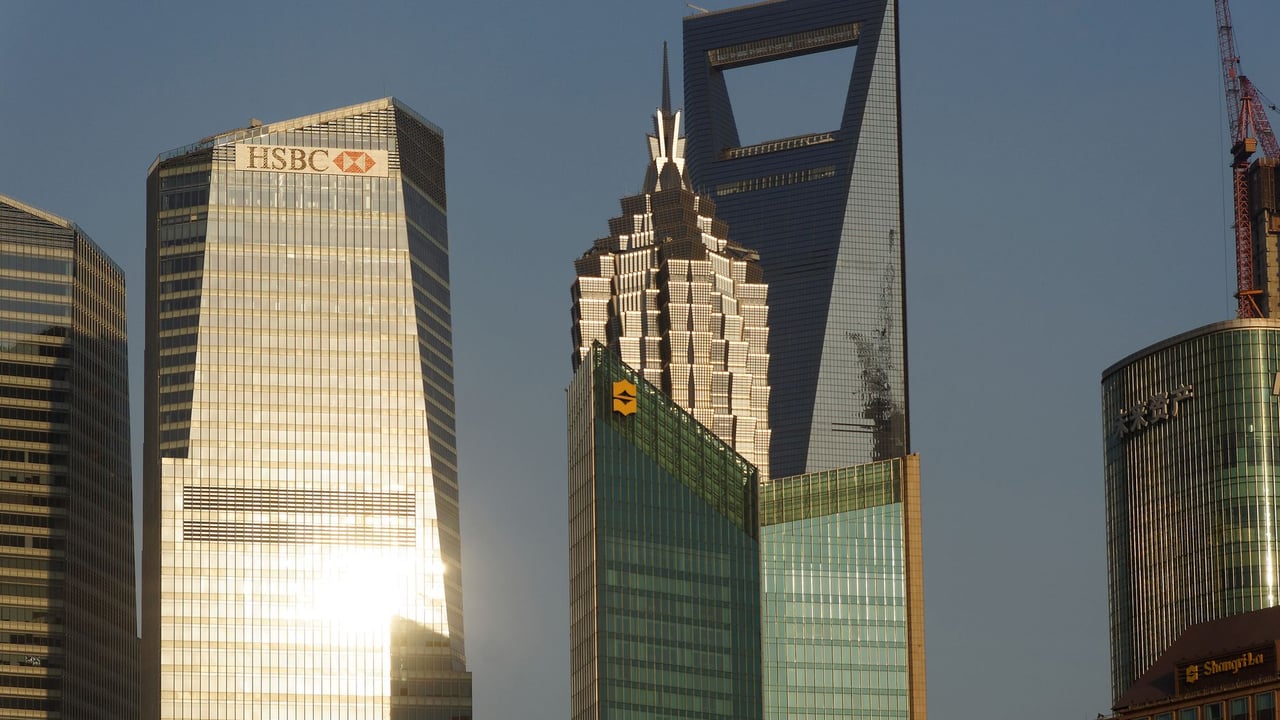

China has unveiled a sweeping action plan to transform Shanghai into a premier offshore financial hub, signaling a decisive move to challenge the dominance of established financial centers like Singapore and Hong Kong. The directive, jointly issued by the People's Bank of China (PBOC) and five other top-tier regulatory bodies, provides a roadmap for the city to build a comprehensive offshore system by 2035. This initiative is designed to serve the growing needs of Chinese enterprises expanding globally while creating a 'financial safe harbor' for international capital.
The plan designates the Pudong New Area as a primary testing ground for high-standard trade and economic rules. By leveraging 'account isolation' and specialized Free Trade (FT) accounts, regulators aim to facilitate seamless cross-border fund flows while maintaining a firewall against domestic systemic risks. This 'sandbox' approach is intended to pilot offshore RMB trading, cross-border leasing, and international treasury management services that were previously restricted by China's rigorous capital controls.
A significant component of the strategy is the integration of the Digital RMB into offshore operations. The plan outlines the development of digital currency infrastructure for cross-border settlements and blockchain-based financial services, aiming to reduce reliance on traditional Western-dominated payment systems. This technological push is coupled with an ambitious timeline that seeks to establish a mature offshore legal and regulatory framework by 2030, positioning Shanghai as a strategic pivot for global asset allocation.
However, the success of this blueprint hinges on the delicate balance between liberalization and state control. While the plan promises 'high-level opening,' it repeatedly emphasizes the principle of 'front-line opening with back-line management.' The focus is clearly on serving the 'Real Economy'—specifically the 'Belt and Road' initiative and Chinese multinational corporations—rather than allowing unfettered speculative capital. This controlled liberalization reflects Beijing's cautious approach to currency internationalization in an increasingly volatile geopolitical environment.