

In a recent address that underscores the deep ideological fissures within Taiwanese politics, former Taipei County Magistrate Chou Hsi-wei has proposed a controversial reinterpretation of China’s rising power. Speaking in Beijing, Chou argued that the People’s Republic of China’s burgeoning military and economic capabilities should not be viewed by the Taiwanese public as a looming threat, but rather as a foundational guarantee of their own safety and prosperity. This rhetoric marks a significant departure from the 'China threat' narrative dominant in Western and current Taipei administrations.
Chou’s perspective centers on the concept of 'strength as a stabilizer.' He posits that a militarily robust and economically dominant mainland China acts as a deterrent against foreign intervention, which many in the pro-unification camp blame for regional instability. By framing Beijing’s power as a shared regional asset, Chou attempts to bridge the gap between the Mainland’s strategic objectives and the security concerns of the Taiwanese electorate, suggesting that integration offers a more stable future than confrontation.
From an economic standpoint, the argument highlights the inextricable links between the two sides of the strait. Chou emphasizes that the sheer scale of the mainland market provides a vital safety net for Taiwan’s export-driven economy. In this view, the mainland’s economic ascendancy is the primary engine that ensures the continued high standard of living for the Taiwanese people, making political friction not only dangerous but economically self-defeating.
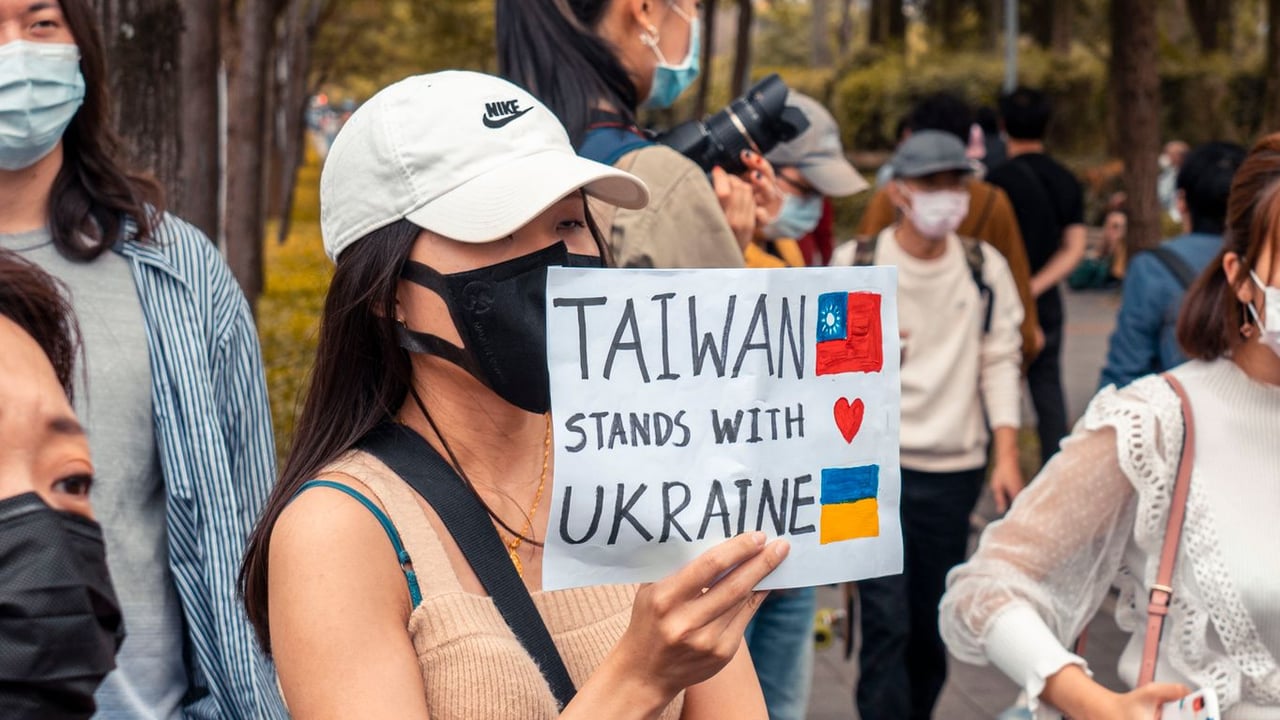
However, this narrative faces a steep uphill battle in a Taiwan where public identity increasingly leans away from the mainland. While Chou’s comments resonate with a specific segment of the Kuomintang (KMT) old guard and pro-business interests, they stand in stark contrast to the skepticism of the younger generation. The speech serves as a reminder that the battle for Taiwan’s future is being fought as much through the definition of 'security' as it is through military posturing.