
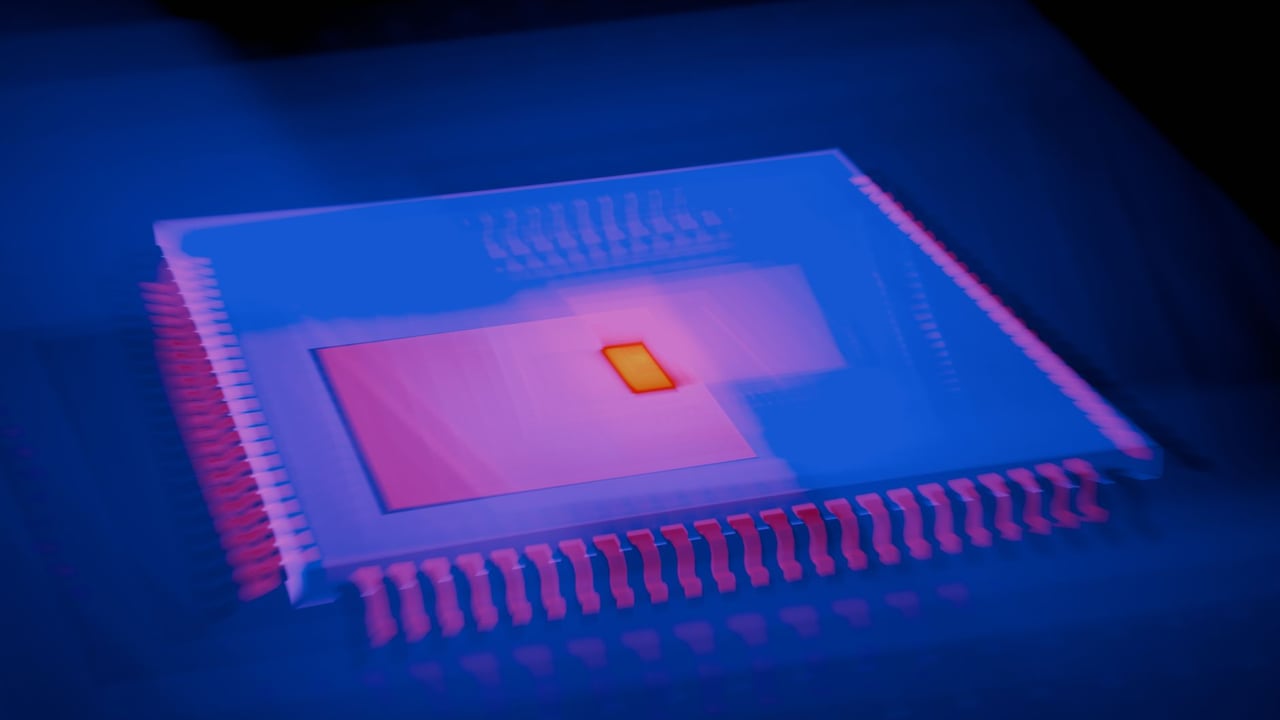

The narrative surrounding artificial intelligence is shifting from simple generative capabilities to the era of 'Agentic AI'—autonomous systems capable of using tools and executing multi-step tasks. According to a new Asia-Pacific technology strategy report from UBS, this evolution marks a critical inflection point for the semiconductor industry. While the previous phase of the AI boom focused heavily on GPU-driven training, the move toward autonomous agents is revitalizing demand for more traditional computing components.
Agentic AI requires sophisticated orchestration, sequencing, and the ability to access multiple external resources simultaneously. This complexity necessitates a significant increase in CPU processing power to handle sequential computing cycles and priority management. UBS analysts anticipate that this shift will drive a resurgence in both independent general-purpose servers and the CPU nodes within specialized AI servers. As a result, the market share of main node CPUs is projected to climb from 29% in 2025 to 41% by 2027.
Beyond the logic layer, the equipment sector is poised for a strategic re-rating. Wafer Front-End (WFE) equipment stocks are increasingly viewed as 'catch-up' candidates compared to the high-flying memory sector. This optimism is fueled by sustained capital expenditure in DRAM and a burgeoning growth momentum within the Chinese market and the NAND flash memory space. Analysts expect the broader semiconductor supply chain to find a new equilibrium as lead times for critical equipment normalize by mid-2027.
This normalization is expected to alleviate the chronic capacity deployment bottlenecks that have plagued the industry since the initial AI surge. By broadening the technological requirements for AI from pure floating-point performance to complex system orchestration, the industry is entering a more mature and diversified growth cycle. This transition suggests that the next phase of the tech rally will be driven not just by raw power, but by the architectural sophistication required to make AI truly autonomous.