
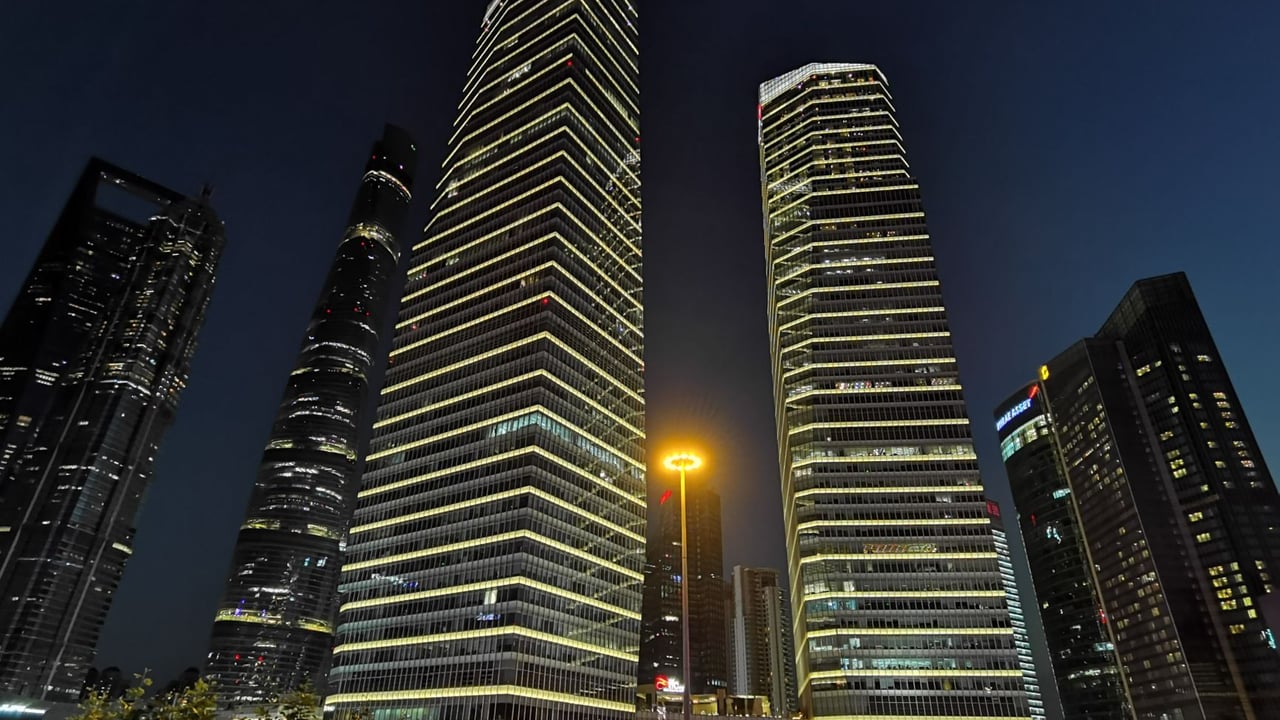

In a display of resilience that caught many traders off-guard, Chinese equity markets reversed an early-morning slump on June 17 to finish significantly higher. The market’s initial trepidation, fueled by jitters over the Federal Reserve’s upcoming policy signals and domestic liquidity concerns, evaporated as high-level rhetoric from the Lujiazui Forum in Shanghai injected a fresh dose of confidence into the trading floor. By the closing bell, the Shanghai Composite had reclaimed the 4100-point threshold, while the tech-heavy Star 50 index surged by over 4.5%.
The catalyst for this dramatic intraday turnaround was a series of coordinated signals from China’s top financial architects. Pan Gongsheng, Governor of the People’s Bank of China (PBOC), and Wu Qing, Chairman of the China Securities Regulatory Commission (CSRC), used the forum to outline a blueprint for a more institutionalized and technology-oriented capital market. Their remarks suggested a shift away from emergency market stabilization toward long-term structural refinement, focusing on deepening the integration of finance and the 'new productive forces' of the technology sector.
Governor Pan’s pledge to develop macro-prudential tools to support non-bank liquidity and refine short-term interest rate mechanisms provided a crucial backstop for market sentiment. Perhaps more significantly for equity investors, he emphasized the need to facilitate long-term capital flows into both stock and bond markets. This signaling suggests that the PBOC is moving beyond mere liquidity provision and is now actively looking to cultivate a more stable, institutionalized base for Chinese assets.
Simultaneously, CSRC Chairman Wu Qing articulated a vision where technology is the primary driver of market value. With tech firms already accounting for nearly half of China’s large-cap companies, Wu indicated that the regulatory focus would remain on the 'Two Boards'—the Star Market and the ChiNext. The announcement of a pilot program for active ETFs and a crackdown on 'AI-washing'—where companies falsely claim tech credentials to manipulate share prices—underscores a desire for high-quality, authentic growth rather than speculative bubbles.
The market’s focus on the artificial intelligence supply chain provided the necessary momentum to validate this regulatory optimism. The Printed Circuit Board (PCB) and semiconductor sectors led the charge, driven by a global tightening of AI hardware supplies. News of TSMC’s progress in glass substrate technology for advanced packaging acted as a localized spark, reminding investors that despite geopolitical headwinds, Chinese firms remain integral to the global high-end manufacturing ecosystem.
Despite the exuberant finish, market veterans remain cautious. While the 'policy put' from Beijing remains firmly in place, the transition from a broad-based rally to a stock-picker’s market is becoming evident. Analysts suggest that as the year progresses, the 'crowded trade' in AI and semiconductors may lead to increased volatility. However, the message from the Lujiazui Forum is clear: for Beijing, the stock market is no longer just a barometer of economic health, but a strategic tool to fund the nation’s technological self-reliance.