

China’s Ministry of Industry and Information Technology (MIIT) has convened a high-stakes symposium in Beijing, bringing together leaders from eleven of the nation’s most vital industrial provinces. Led by Vice Minister Xin Guobin, the meeting served as a strategic alignment for the second quarter, focusing on stabilizing the industrial engine while navigating a cooling global environment. The presence of heavyweight provinces such as Guangdong, Jiangsu, and Zhejiang underscores the central government's urgency in maintaining manufacturing momentum.
While the MIIT lauded a 'positive start' to the year, officials were candid about the mounting headwinds facing the industrial sector. The discussion moved beyond simple growth targets to address the structural issues of 'involutionary' competition—a term describing the cut-throat price wars and overcapacity currently eroding profit margins in sectors like electric vehicles and solar energy. Beijing is now explicitly calling for an end to this self-destructive cycle, urging firms to prioritize value-added innovation over market-share-at-all-costs strategies.
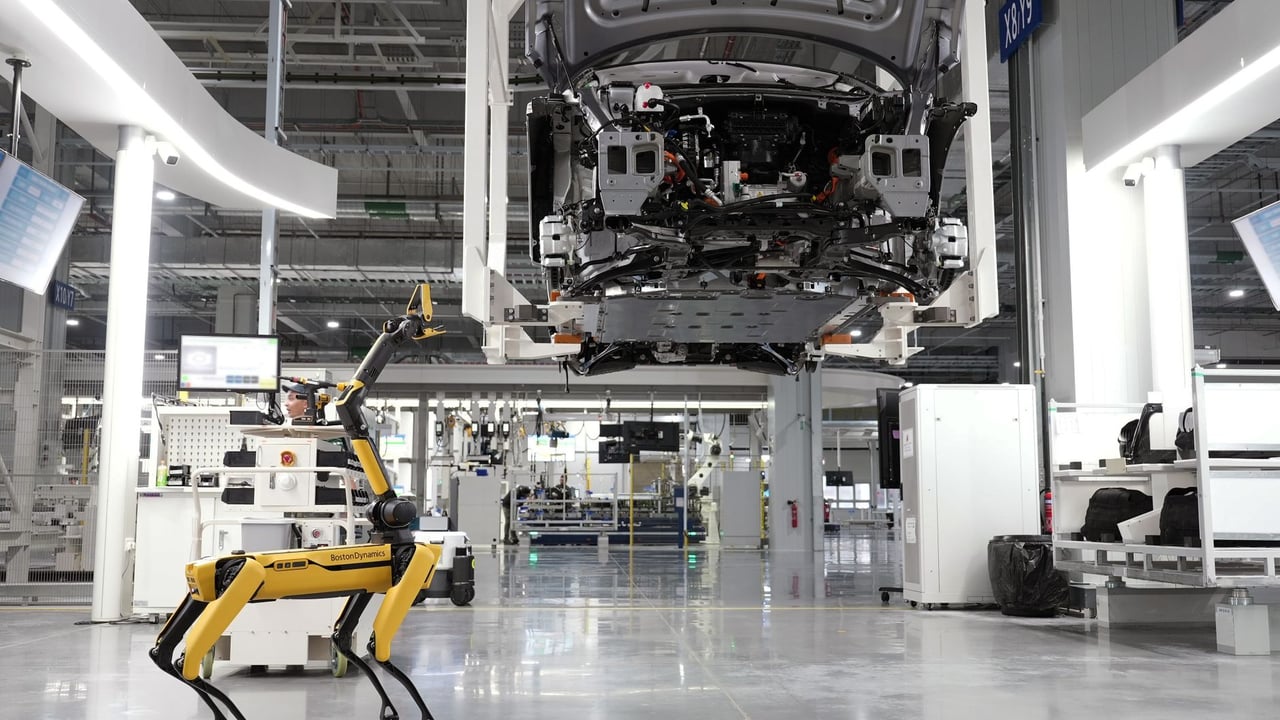
A central pillar of the new strategy is the 'AI+ Manufacturing' initiative, which aims to weave generative and industrial artificial intelligence into every link of the supply chain. This push is part of the broader 'New Quality Productive Forces' doctrine, designed to transition China from a volume-heavy producer to a high-tech manufacturing superpower. By accelerating the application of next-generation information technology, Beijing hopes to create new demand through higher-quality supply rather than relying on traditional stimulus.
The ministry also highlighted the need to balance domestic development with what it termed 'international economic and trade struggles.' As trade tensions with the West escalate, particularly regarding manufacturing overcapacity, China is pivoting toward internal resilience and security. The meeting concluded with a mandate for provinces to fortify energy supplies for the summer peak and provide targeted aid to distressed enterprises, ensuring that the second-quarter figures provide a stable foundation for the upcoming 15th Five-Year Plan.