China’s Internal Realignment: Xi Jinping Institutionalizes ‘East-West’ Economic Integration

President Xi Jinping has ordered the 'normalization' of East-West collaboration as China enters its 15th Five-Year Plan. The strategy shifts from basic poverty relief to deep industrial and technological integration between coastal and inland provinces to achieve 'Common Prosperity.'

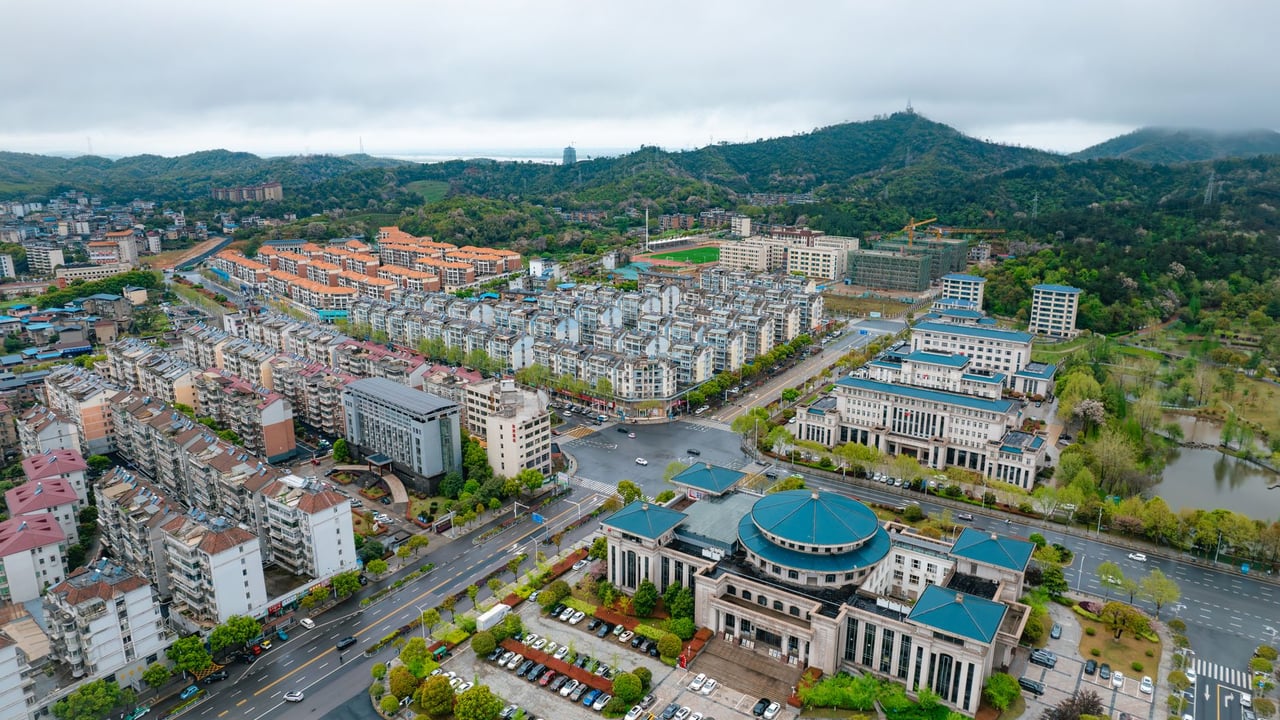
Aerial view of Jiu Jiang Shi showing urban architecture and scenic greenery in Jiang Xi Sheng, China.

Key Takeaways

  • 12026 marks the first year of 'normalized' East-West assistance, coinciding with the start of the 15th Five-Year Plan.
  • 2The 'Minning' model (Fujian-Ningxia) is being used as the primary blueprint for national regional cooperation.
  • 3The focus is shifting from simple aid to 'mutual learning' of technology, concepts, and administrative styles.
  • 4A key objective is maintaining a 'baseline' to prevent any large-scale relapse into poverty in rural western regions.
  • 5High-level political accountability is being enforced, with top leaders from eastern provinces responsible for specific western counterparts.

Editor's
Desk

Strategic Analysis

This directive represents a pivot from 'poverty alleviation' to 'regional optimization.' By 'normalizing' East-West collaboration, Beijing is effectively creating an internal hedge against global economic decoupling. If the coastal export engines can successfully offload lower-value industries to the west while upgrading their own tech, China achieves two goals: it sustains growth in its interior and moves its entire economy up the value chain. However, the success of this 'normalization' depends on whether eastern provinces, currently facing their own fiscal pressures, can continue to subsidize and support their western neighbors without compromising their own competitiveness. The heavy emphasis on the 'Minning model' also reinforces Xi Jinping’s personal political legacy, signaling that his early administrative experiments are now the permanent standard for the nation’s development.

China Daily Brief Editorial
Strategic Insight
China Daily Brief

As China transitions into its 15th Five-Year Plan, President Xi Jinping has signaled a fundamental shift in the nation’s internal development strategy. The 'East-West Collaboration' program, a cornerstone of Beijing's domestic policy for three decades, is being elevated from a series of targeted poverty-relief projects to a 'normalized' pillar of national governance. This evolution reflects a broader push toward 'Common Prosperity,' aiming to bridge the persistent economic divide between the prosperous coastal hubs and the less developed interior.

The directive, issued during a national conference in Yinchuan, Ningxia, emphasizes a move beyond simple financial transfers toward sophisticated regional synergy. The new mandate calls for 'industrial complementarity' and 'personnel interaction,' where coastal powerhouses like Guangdong and Shanghai export not just capital, but technological expertise and modern administrative 'styles' to the west. This strategy is designed to create a more resilient, integrated domestic market as China navigates a more complex global economic landscape.

A central pillar of this mandate is the 'Minning' model—a collaborative framework between Fujian and Ningxia that Xi Jinping personally championed during his early career in Fujian. By institutionalizing this model, the central government seeks to ensure that the gains of its 'absolute poverty' eradication campaign remain permanent. The current priority is to prevent a 'large-scale return to poverty' by fostering a sustainable ecosystem where western provinces become active participants in the high-tech supply chain.

Vice Premier Liu Guozhong’s role in overseeing the Yinchuan summit underscores the high-level political accountability attached to these regional goals. Leaders from economic engines such as Beijing, Jiangsu, and Guangdong are now tasked with deepening ties with counterparts in Sichuan and Gansu. This realignment suggests that Beijing views internal regional balance not merely as a social welfare objective, but as a strategic necessity for long-term economic stability and national security.

Share Article

Related Articles

📰
No related articles found