Catapulting to the Top: The Strategic Significance of China’s Electromagnetic Naval Leap

China's CNS Fujian carrier utilizes advanced electromagnetic catapults to surpass traditional steam systems, significantly enhancing its ability to launch heavy aircraft and increase operational sortie rates. This technological leap positions the PLAN as a formidable peer to the US Navy in carrier aviation.

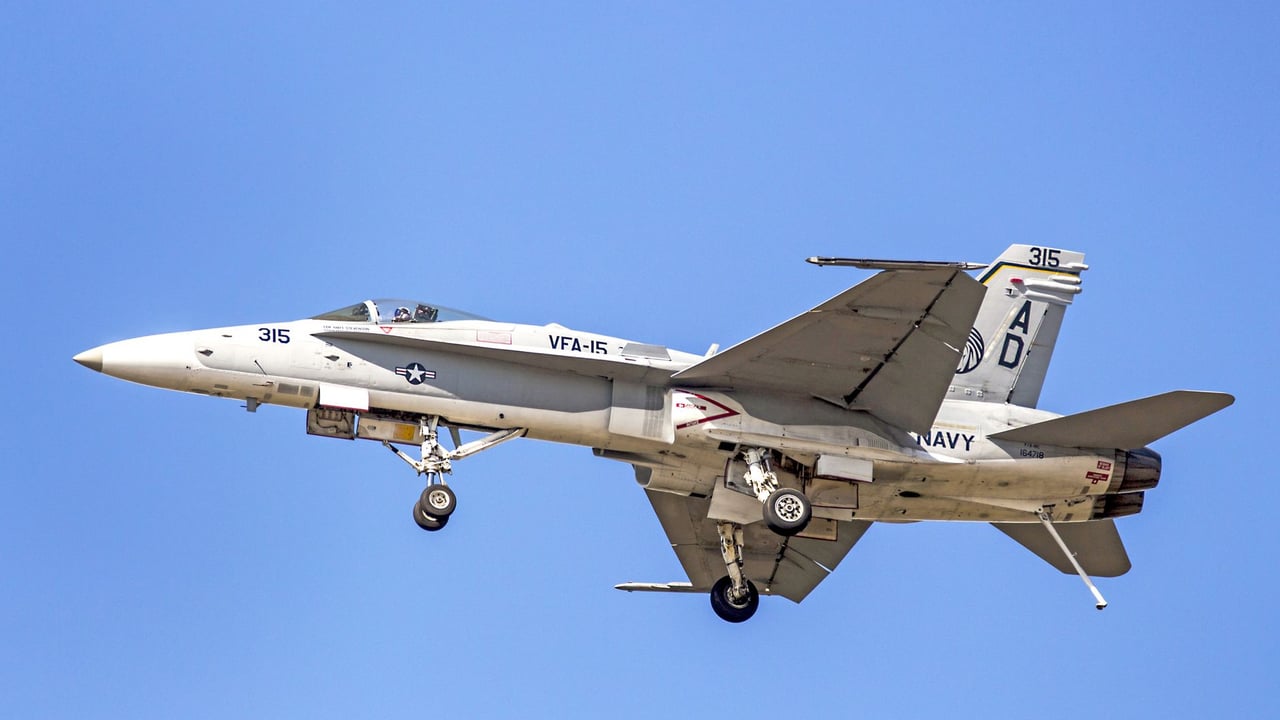
F/A-18C Hornet jet of the US Navy with landing gear deployed, flying over Florida.

Key Takeaways

  • 1The CNS Fujian is China's first carrier to skip steam technology and move directly to an Electromagnetic Aircraft Launch System (EMALS).
  • 2EMALS allows for the launch of the KJ-600 early warning aircraft, which is impossible on China's previous ski-jump carriers.
  • 3The system provides superior control over launch energy, accommodating a wider range of aircraft weights and reducing airframe fatigue.
  • 4Higher sortie rates achieved through EMALS will allow the Fujian to sustain more intensive combat operations than its predecessors.
  • 5Successful deployment of this technology demonstrates China's advanced capabilities in high-energy power management and naval engineering.

Editor's
Desk

Strategic Analysis

The Fujian represents more than just a technological milestone; it symbolizes China’s 'leapfrog' development strategy. By bypassing the complex development of steam catapults—a technology the US mastered decades ago—and moving straight to electromagnetic systems, Beijing has significantly narrowed the qualitative gap with the US Navy's Ford-class carriers. This development suggests that the PLAN is no longer content with being a regional actor. The successful integration of EMALS on a conventional (non-nuclear) hull also demonstrates Chinese engineering prowess in power management and storage, areas where even the US initially struggled. As the Fujian moves toward full operational status, the balance of naval power in the Indo-Pacific will face its most significant shift in a generation.

China Daily Brief Editorial
Strategic Insight
China Daily Brief

The sea trials of the CNS Fujian, China’s third and most advanced aircraft carrier, mark a transformative moment in naval warfare. At the heart of this 80,000-ton behemoth lies the Electromagnetic Aircraft Launch System (EMALS), a technology that places the People’s Liberation Army Navy (PLAN) in an exclusive club previously occupied only by the United States. Unlike the ski-jump ramps of the Liaoning and Shandong, the Fujian’s flat-deck design utilizes electromagnetic force to propel aircraft into the sky.

This shift from traditional steam catapults to electromagnetic propulsion is not merely an incremental upgrade; it is a generational leap. Steam catapults are bulky, require massive amounts of freshwater, and are notoriously difficult to maintain. In contrast, EMALS offers precise control over acceleration, allowing the carrier to launch everything from heavy, fuel-laden fighter jets to lightweight reconnaissance drones with minimal stress on the airframes.

For the PLAN, the operational advantages are profound. The ability to launch heavier aircraft means the Fujian can deploy the KJ-600, a fixed-wing early warning and control aircraft similar to the American Hawkeye. This capability extends the carrier strike group’s radar horizon and battle management range by hundreds of miles, fundamentally changing the tactical landscape in the South China Sea and beyond.

Furthermore, EMALS significantly improves the carrier's 'sortie rate,' or the number of flights launched in a given period. By reducing the reset time between launches and requiring less manpower for maintenance, the Fujian can sustain higher intensity operations during a conflict. This efficiency is critical for China’s ambition to transition from a coastal defense force to a true 'blue-water' navy capable of projecting power across the globe.

Share Article

Related Articles

📰
No related articles found