Trump’s Sword of Damocles: Why the Iran Peace Deal Remains on a Knife-Edge

President Trump has tempered expectations regarding a new Memorandum of Understanding with Iran, characterizing it as a non-final agreement subject to immediate cancellation. The threat of renewed military action ahead of the June 19 signing ceremony in Switzerland underscores the fragile nature of current diplomatic efforts.

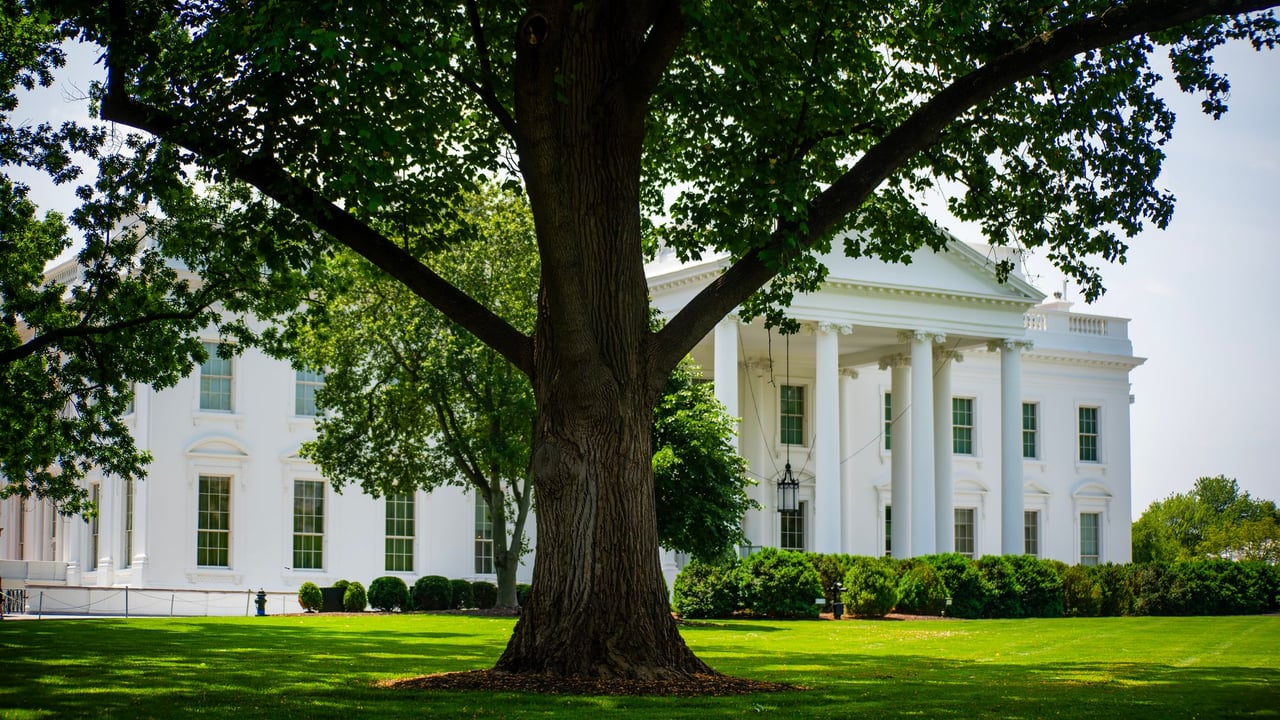
A view of the White House with lush greenery on a summer day, featuring a prominent tree.

Key Takeaways

  • 1President Trump explicitly stated the MoU with Iran is not a final agreement.
  • 2The U.S. remains prepared to resume military strikes if terms are not met to the President's satisfaction.
  • 3A formal signing ceremony for the ceasefire understanding is scheduled for June 19 in Switzerland.
  • 4Unconfirmed media reports suggest a 14-point framework exists, though official verification is pending.

Editor's
Desk

Strategic Analysis

Trump’s 'bombs-for-compliance' rhetoric serves a dual purpose: it appeases a domestic base that demands a projection of strength while creating a strategic imbalance that forces Iranian negotiators to remain reactive. By framing the June 19 ceremony as a conditional pause rather than a diplomatic victory, the administration maintains maximum leverage through unpredictability. However, this transactional approach to international law risks alienating European mediators who seek a more stable, multilateral framework to prevent nuclear proliferation in the region.

China Daily Brief Editorial
Strategic Insight
China Daily Brief

President Donald Trump’s characteristic blend of high-stakes diplomacy and bellicose rhetoric has once again cast a shadow over international efforts to stabilize the Middle East. Speaking just days before a scheduled signing ceremony in Switzerland, the President clarified that the current Memorandum of Understanding (MoU) with Tehran is a tentative ceasefire rather than a permanent resolution.

The warning, delivered with the bluntness that has defined his foreign policy, suggested that military options remain firmly on the table. "If I am not satisfied, we will resume dropping bombs," Trump stated, signaling that the formal signing on June 19 is merely the start of a precarious cooling-off period.

This latest development follows a June 14 announcement of a "ceasefire understanding," which many hoped would end the cycle of escalation between Washington and Tehran. While a 14-point document has reportedly been leaked to the media, neither government has officially confirmed the specific terms of the deal, adding to the atmosphere of uncertainty.

For global markets and regional allies, the President’s remarks serve as a reminder that the "maximum pressure" campaign has evolved into a cycle of coercive engagement. The upcoming meeting in Switzerland will likely be scrutinized not for the signatures it secures, but for the specific concessions Trump demands to keep his bombers grounded.

Share Article

Related Articles

📰
No related articles found