Science as Sovereignty: Beijing Rejects Claims of Withdrawal from Scarborough Shoal

China's Foreign Ministry has officially denied reports of a withdrawal from Scarborough Shoal, asserting that its recent activities, including a major scientific expedition, demonstrate continued sovereignty and control. The statement serves as a direct rebuttal to the United States and the Philippines, reinforcing Beijing's hardline stance on maritime disputes.

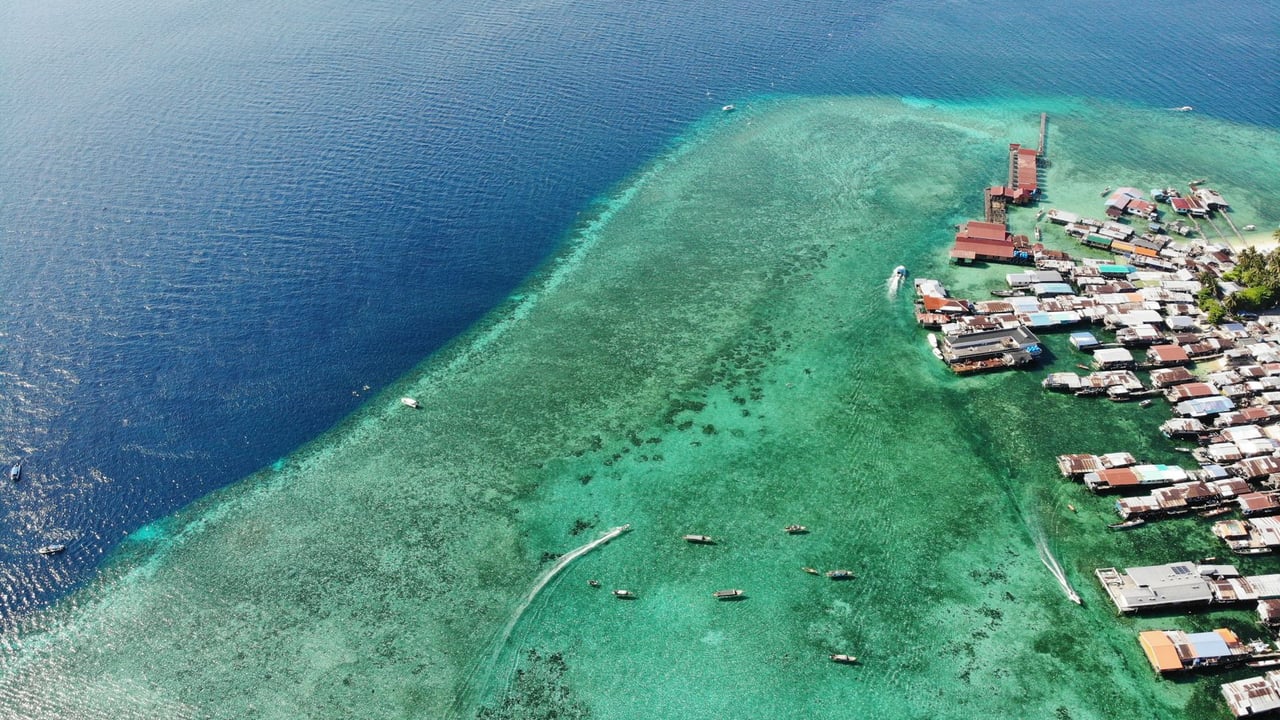
Boats floating on rippling endless sea near island with various residential houses in tropical country on summer day in nature

Key Takeaways

  • 1The Chinese Foreign Ministry explicitly denied reports of facility withdrawals from Scarborough Shoal under US-Philippine pressure.
  • 2Beijing highlighted a recently completed ecological survey by the Chinese Academy of Sciences as proof of its legitimate presence.
  • 3Spokesperson Lin Jian described international reports of Chinese retreats as 'malicious rumors' and 'slander.'
  • 4China maintains that its activities at the shoal are the 'lawful rights of a sovereign state' and outside the jurisdiction of other nations.
  • 5The rhetoric signals a continued use of scientific and civil missions to reinforce territorial claims in the South China Sea.

Editor's
Desk

Strategic Analysis

Beijing’s strategy at Scarborough Shoal appears to be evolving into a sophisticated 'gray zone' tactic that prioritizes scientific and environmental narratives over overt military displays. By showcasing a South China Sea Institute of Oceanology survey, China is creating a 'scientific fait accompli'—establishing a record of administrative governance that is difficult for Western powers to counter without appearing to interfere in legitimate research. This approach allows China to maintain its domestic image of strength without necessarily escalating to a direct military confrontation. However, the stern warning against 'rumors' suggests that Beijing is highly sensitive to the perception of weakness, particularly in the face of the revitalized US-Philippines defense alliance. Expect China to continue utilizing non-military vessels and research institutions as the primary vehicles for its sovereignty claims in the near term.

China Daily Brief Editorial
Strategic Insight
China Daily Brief

Beijing has forcefully dismissed reports suggesting a tactical retreat from Scarborough Shoal, signaling its refusal to buckle under mounting pressure from the United States and the Philippines. During a regular press briefing on June 17, Foreign Ministry spokesperson Lin Jian categorized claims of a withdrawal as 'rumors and slander,' underscoring the high-stakes information war currently unfolding in the South China Sea.

Rather than scaling back, China is instead highlighting its civil and scientific presence in the disputed waters. The Ministry pointed to a comprehensive ecological survey conducted by the South China Sea Institute of Oceanology in late May as evidence of its active administration. By framing these activities as environmental stewardship and 'ecological civilization construction,' Beijing is leveraging scientific research as a tool for cementing its territorial assertions.

Scarborough Shoal, known in China as Huangyan Island, remains a critical flashpoint in the regional power struggle. China has maintained effective control of the reef since a 2012 standoff with Manila, and the spokesperson’s latest remarks reiterate that Beijing views its sovereignty as 'undisputed.' The shift toward emphasizing scientific data collection serves to normalize China's presence while complicating the efforts of rival claimants to challenge its physical control.

This firm rhetorical stance comes at a time of heightened naval activity and diplomatic friction involving the Biden administration’s 'ironclad' support for the Philippines. By characterizing international criticism as 'maritime provocations,' Beijing is signaling that it will continue to respond to external pressure with a combination of defensive posturing and increased civil-military integration in the South China Sea.

Share Article

Related Articles

📰
No related articles found