
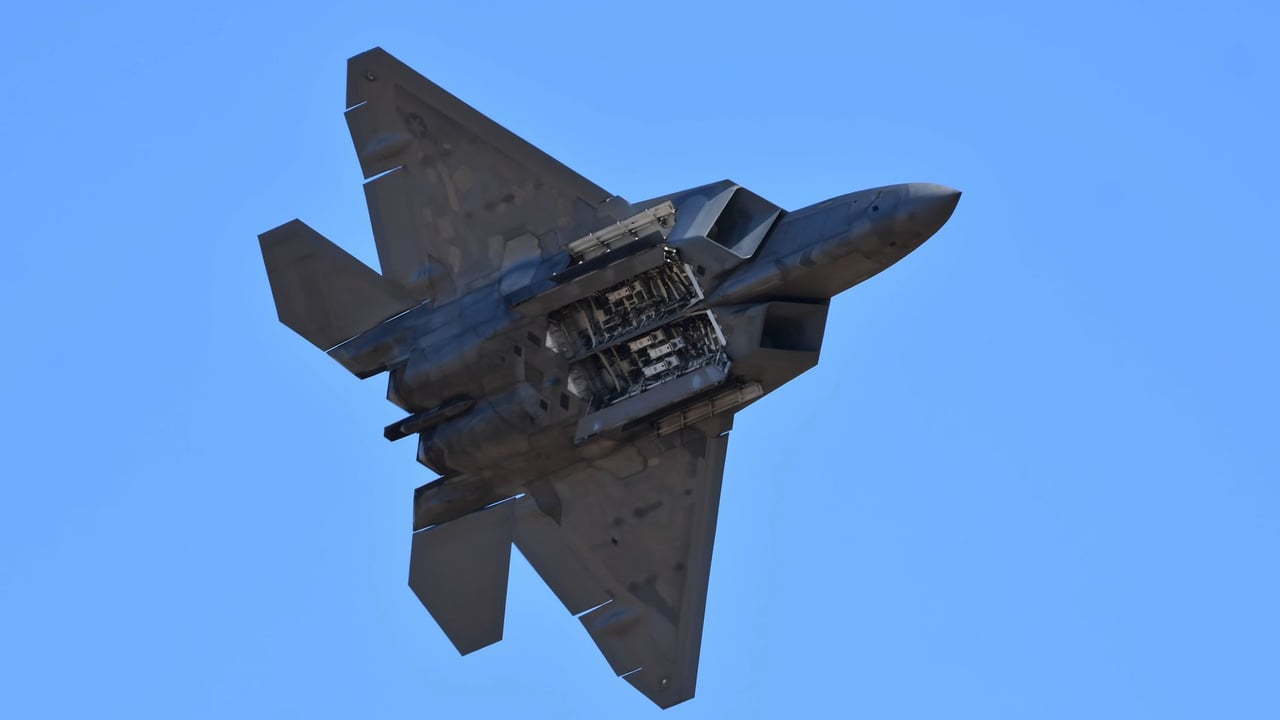

For years, the global aviation community viewed China’s J-20 "Mighty Dragon" as a derivative challenger to the American F-22. However, the emergence of the J-20S, the world’s first twin-seat stealth fighter, has forced Western analysts to reconsider Beijing’s unique trajectory in fifth-generation warfare. This development signals a profound shift in how the world's two preeminent air forces intend to manage the future of aerial combat.
The fundamental divergence between Washington and Beijing lies in how they envision the integration of unmanned "Loyal Wingmen" into the aerial battlefield. While the United States has bet its future on single-seat cockpits—leveraging advanced Artificial Intelligence to manage drone swarms—China is doubling down on human cognition. The J-20S is the physical manifestation of this "human-in-the-loop" philosophy.
In the cockpit of the J-20S, the rear seat is not merely for a trainee, but for a specialized battle manager dedicated to electronic warfare and drone coordination. This architectural choice suggests that the People's Liberation Army Air Force (PLAAF) prioritizes flexible human judgment over the current limitations of autonomous software. By dedicating a human operator to drone command, China aims to navigate the chaos of a contested sky with more nuance than a computer might allow.
American platforms like the F-35 were designed with the philosophy that sensor fusion and AI could distill complex data into a manageable workload for a single pilot. This "technology-first" approach assumes that machines can eventually automate the tactical nuances of air-to-air combat and suppressed-defense missions. The U.S. Air Force is currently doubling down on this path with its Next Generation Air Dominance (NGAD) initiatives.
Conversely, Chinese planners seem to believe that the fog of war in a high-intensity conflict remains too unpredictable for current AI. By retaining a second set of eyes and hands, the J-20S aims to maintain a tactical edge in environments where electronic jamming might disrupt automated links between a fighter and its drone fleet. It is a pragmatic hedge against the potential for algorithmic failure in the heat of battle.
This philosophical rift represents a strategic gamble on the future of air superiority. If AI proves as robust as American designers hope, the J-20S may be burdened by the extra weight and complexity of a second pilot. However, if the digital battlefield proves too volatile for machines, the American single-seat fleet could find itself cognitively overwhelmed while Chinese crews adapt in real-time.